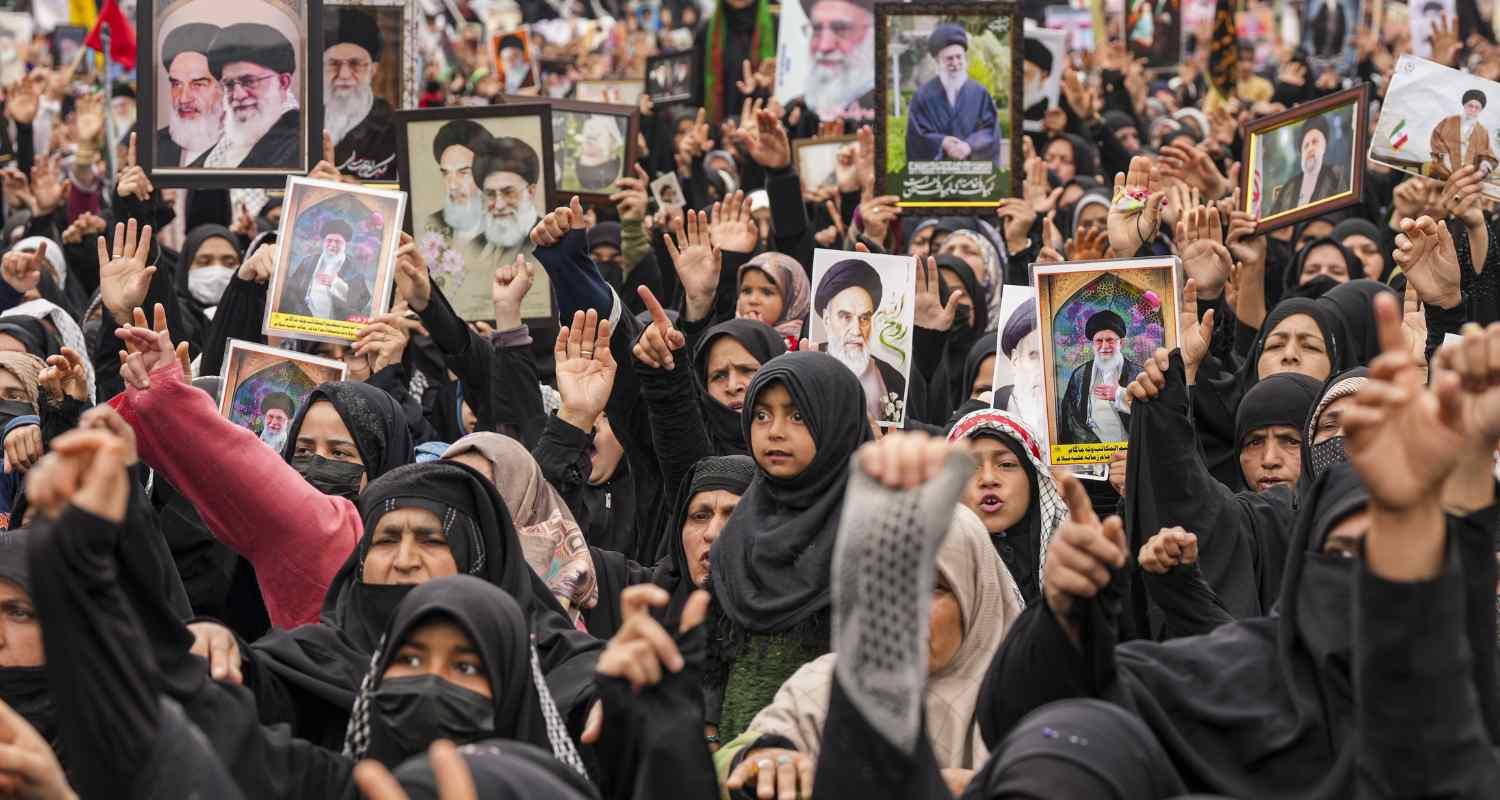
Curbs on internet services and restrictions on inter-district movement of people continue to remain in place across the Kashmir Valley on Thursday after protests over the killing of Iran’s supreme leader turned violent.
Precautionary measures were put in place from Sunday, though protesters—mostly Shia Muslims—were allowed to hold peaceful demonstrations at Srinagar’s iconic Lal Chowk.
While internet services initially functioned normally, they were snapped after protesters and security forces clashed at several places in Kashmir on Tuesday, prompting authorities to suspend internet services and deploy additional forces to prevent further violent clashes.
Chief Minister Omar Abdullah on Wednesday held a meeting with civil society representatives and religious leaders as part of efforts to restore normalcy. Abdullah appealed to people to express grief and anger only in 'mosques, shrines, and Imambaras' while maintaining peace.
The government has shut educational institutions until Saturday and reduced mobile internet speeds to 2G. “Restrictions on the movement and assembly of people continued in many parts of Kashmir on Thursday,” officials said.
The iconic Ghanta Ghar in the city centre at Lal Chowk remained a no-go zone after authorities sealed the area with barricades erected all around it late on Sunday night. This is the first time since the abrogation of Article 370 that Lal Chowk’s iconic clock tower has been shut to the public due to protests in Kashmir.

 Follow us