As many as 39 people were taken ill after the spread of jaundice in an area near Hamirpur town in Himachal Pradesh. Among the affected are 14 students of a government school located in Swahal village of Hamirpur district.
Locals have expressed concern over the spread of jaundice, which is a water-borne disease. They fear that the situation may worsen if the area does not receive timely rainfall during the summer season. According to the Health Department, cases of jaundice have been reported from Swahal, Badu, Mohin, Balih, Majhot, Ropa and Kathal villages, as well as nearby areas.
Two patients have been admitted to Hamirpur Medical College. Twelve patients are currently undergoing treatment at their residence, while 25 people have already recovered from the infection.
Hamirpur Block Medical Officer Dr Ramesh Ratna said on Friday that teams from both the Health Department and the Jal Shakti Department have been deployed following the rise in jaundice cases in the region. He said water samples were being collected every day and residents were being advised to boil drinking water as a precautionary step to avoid infection.
Water samples collected from the source and supply lines of the affected drinking water scheme have been sent for laboratory testing. Initial tests have found one sample to be contaminated.
Officials said a detailed analysis of the water quality is currently underway. As a precautionary step, cleaning operations have started within the drinking water scheme infrastructure and the water supply has been temporarily suspended for a short period.
Vivek, a local resident, said wastewater released by factories located in the nearby industrial area could be contributing significantly to the rising number of jaundice cases.
Residents said the issue is not new and the problem has been continuing for several days. Waste discharged from a restaurant, along with the obstruction of the stream’s flow due to bridge construction work, has worsened the situation.
They said that more than half-a-dozen nearby villages have reported a total of 39 jaundice cases so far. At present, Health Department teams are carrying out door-to-door visits in the affected areas to screen residents for the infection. People are also being advised to drink boiled water, maintain hygiene and remain cautious.
The department is also distributing chlorine tablets among residents to help prevent the spread of the infection.
Jal Shakti Department Executive Engineer Rajesh Garg said reports about the outbreak of jaundice in Swahal and surrounding areas were received recently. Following the reports, a departmental team visited the affected site and collected water samples for testing. The exact cause behind the spread of the disease is currently being investigated.
He appealed to the public to take necessary precautions and said the situation will become clearer once the laboratory test reports are received. Appropriate measures will be taken based on the findings to control the spread of the disease in the region, he added.
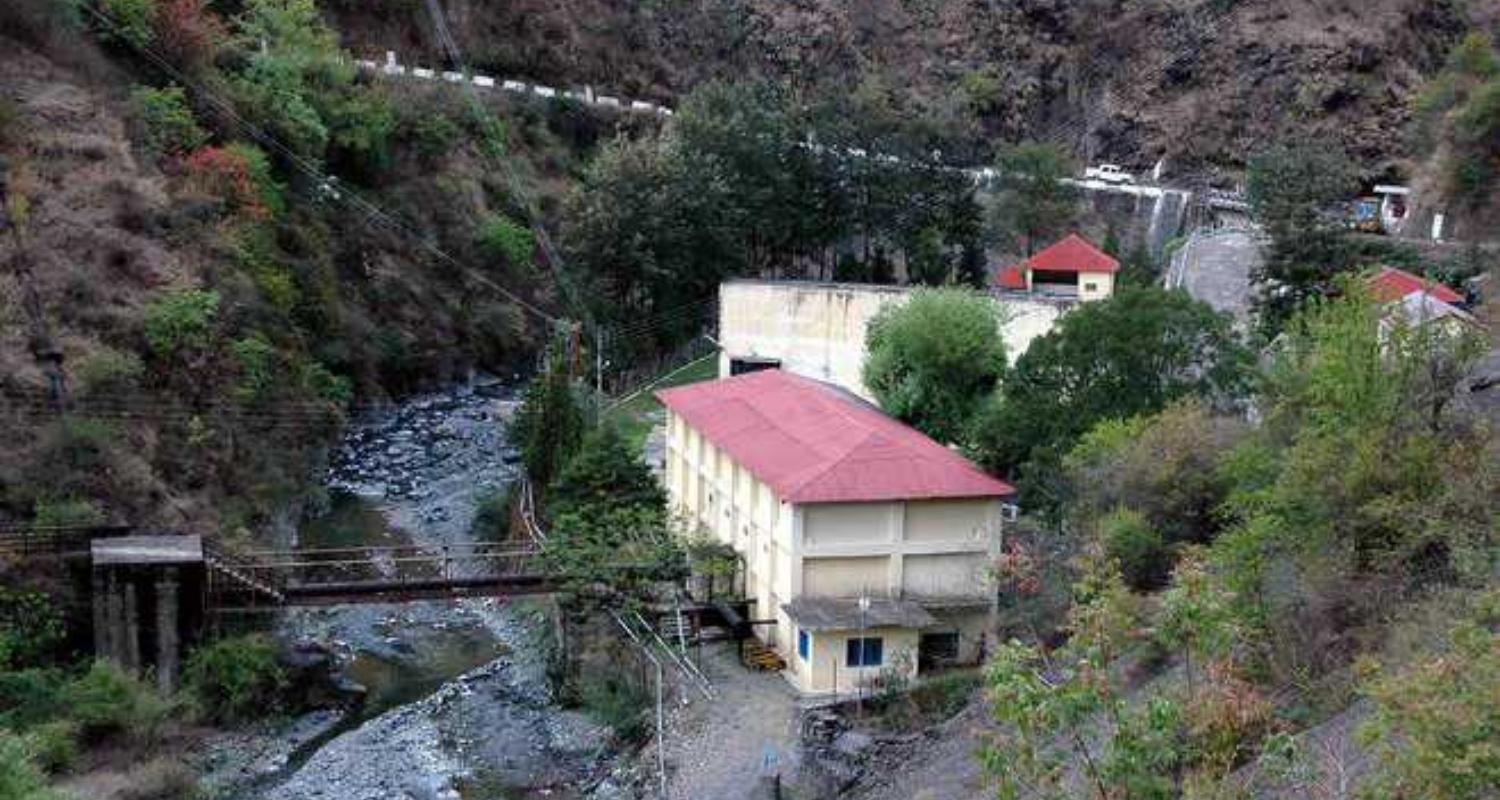
Meanwhile, the situation near the Baru-Mohin drinking water scheme has worsened as a pool of contaminated and foul-smelling water has accumulated in the area. Excavation work related to bridge construction in Baru has slowed the flow of the Jamli stream, causing dirty and stagnant water to collect in one location.
The Jamli Khadd stream eventually flows into the Kunah Khadd. Around a dozen drinking water schemes operate in the Nadaun region near the Kunah Khadd. Residents fear that the risk of water-borne diseases spreading further has increased because contaminated water from the stream may reach these drinking water schemes.
Hamirpur PWD Executive Engineer Deepak Kapil said the water depth at the bridge construction site was significant. Therefore, pipes were installed to ensure proper drainage of water.
Also read: ₹2,000-cr plan for clean drinking water: Sukhu

 Follow us