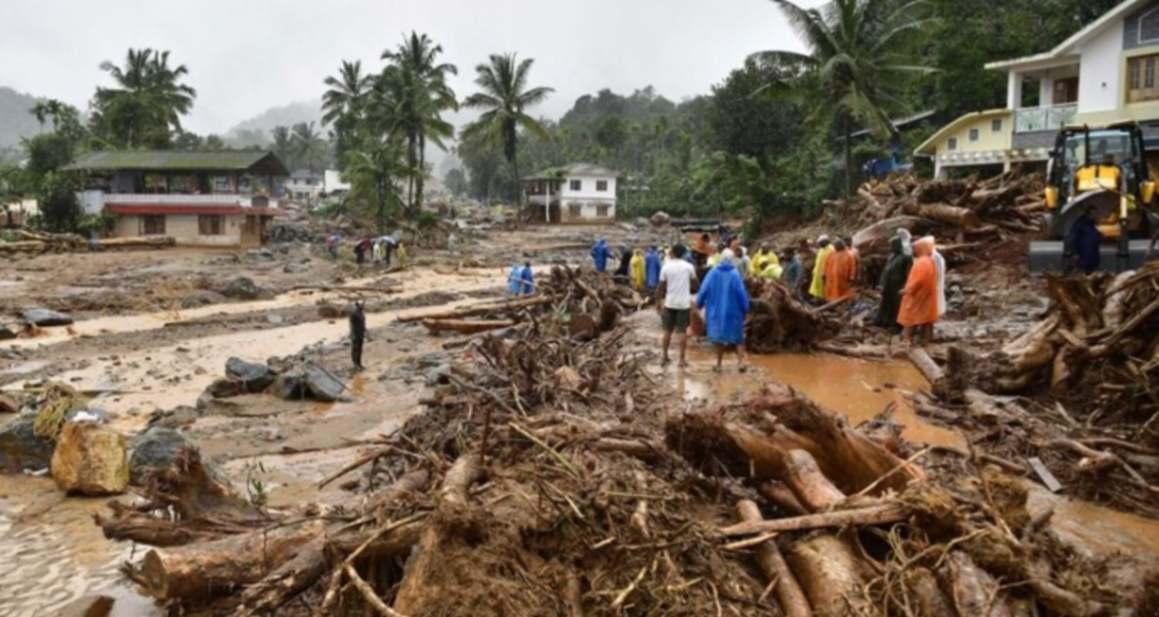
In a major move to provide relief to survivors of the Wayanad landslide, the Kerala government has stepped in to clear ₹18.75 crore in loan arrears for affected families. The funds, sanctioned from the Chief Minister's Disaster Relief Fund (CMDRF) on January 29, are intended to settle outstanding debts as of July 30, 2024. This move brings an end to the state of uncertainty that existed for the families who lost their homes and means of livelihood in the disaster.
The state’s move comes after a long standoff between the state and the Centre. The Kerala High Court was involved in the matter, and the state had requested that these loans be waived on several occasions, but the Centre was non-committal. The state government was concerned to see that the Centre had even withdrawn certain provisions of the Disaster Management Act that could have made this process easier. Fearing that further delay would be "grossly unjust" to those already suffering, the state cabinet decided to move forward with the settlement on its own.
The relief package is quite comprehensive, targeting 1,620 separate loans held by 555 individuals. This includes families slated for rehabilitation, relatives of those who lost their lives, and local traders— even those who were operating as tenants and didn't initially appear on primary beneficiary lists. The bulk of the debt, roughly ₹16.91 crore, consists of loans under ₹10 lakh, while larger debts account for the remaining balance. Additionally, the government will reimburse nearly ₹93 lakh that the Kerala Bank had already independently written off.
Notably, the government is looking beyond just paying the bill; it wants to protect the future financial health of the survivors. The Chief Secretary has been tasked with working alongside the State Level Bankers’ Committee to create a one-time settlement mechanism that ensures these cleared debts do not negatively impact the beneficiaries' CIBIL scores.
While a high-level committee will oversee any final tweaks to the beneficiary list, the message from the state is clear: they view this as a moral obligation. By bypassing the administrative deadlock in New Delhi, the state aims to provide immediate financial closure to a community still reeling from one of the most devastating natural disasters in its history.
Also read: After 250 years, Kerala Kumbh Mela returns ahead of polls

 Follow us