After receiving public and political backlash, the LDF government is pivoting its strategy on poverty eradication after its premature claim of making Kerala "extreme poverty-free" backfired. While the initial declaration was celebrated with a high-profile Assembly session and celebrity endorsements like that of actor Mammootty, the narrative quickly crumbled.
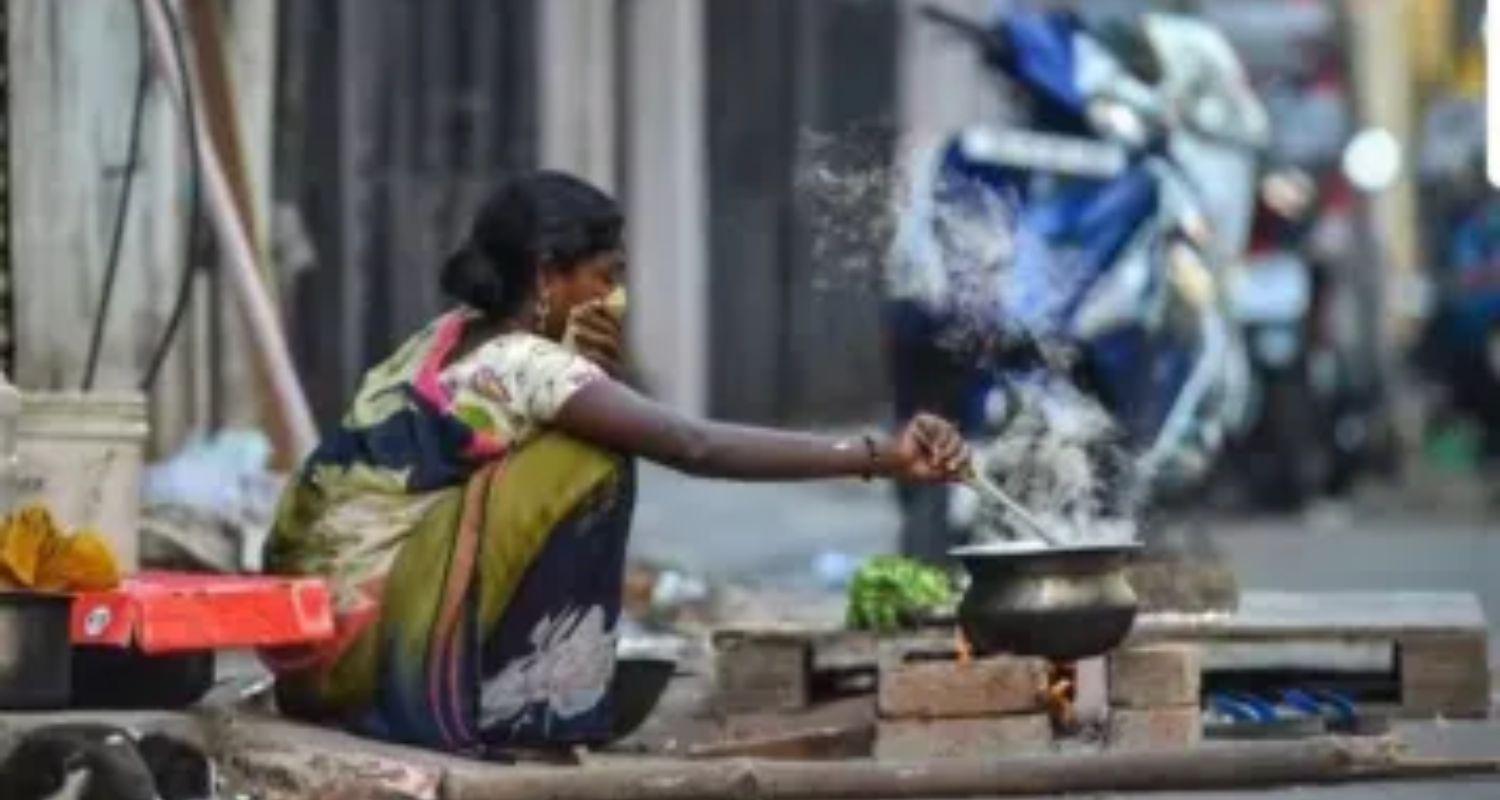
Local media outlets began broadcasting stark images of families still living in squalor, turning a planned electoral masterstroke into a significant liability during the local body polls. Now, in a bid to salvage its reputation and address genuine gaps, the government is launching "EPEP 2.0" — a revamped version of the project designed to fix the oversight of the first phase.
Finally, the government came under fire for leaving the poor beneficiaries of the Ashraya scheme from the year 2002 out of the list, an error they are now assuring the public of correcting. Also, in order to ensure that the problem of the government’s statistics not reflecting the actual situation on the ground is avoided once again, the government is going to use public participation in the second phase through the use of a helpline number as well as online presence.
The formal launch of this "course-correction" phase has been slated for February 19, when the Chief Minister, Pinarayi Vijayan, will unveil the venture at a function in Kannur, which falls on Local Self Governance Day.
The core of the controversy stems from the 2021 initiative, which identified roughly 64,000 families in dire need. While the state claims to have provided food, medicine, and financial aid to over 59,000 of those households, critics and academic experts pointed out glaring omissions. Beyond just adding new names to the list, EPEP 2.0 is intended to create a more sustainable safety net for those who have fallen into extreme poverty since the original 2021 survey. With a preliminary consultative meeting scheduled for January 7 in Thiruvananthapuram, the administration is clearly under pressure to prove that this time, their definition of "poverty-free" matches the lived experience of its citizens.
Also read: 28,300 pink ration cards issued in Kerala; poverty far from over?

 Follow us