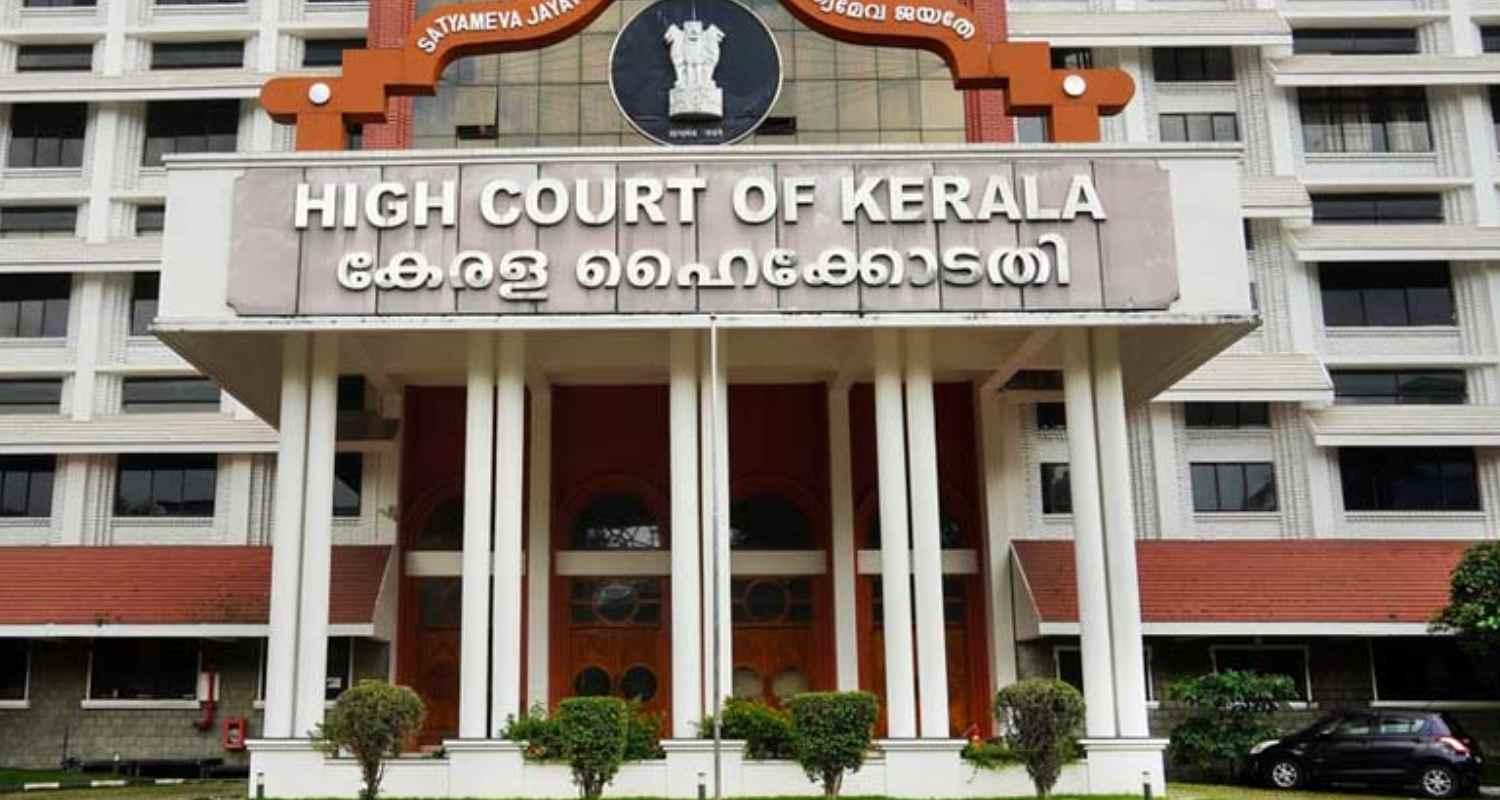
The High Court of Kerala on Tuesday admitted a comprehensive appeal filed by the state government challenging the trial court’s verdict in the high profile actress assault case, which had acquitted actor Dileep and several others. Accepting the appeal for a detailed hearing, a division bench of the HC issued notices to Dileep and the other individuals.
The state government filed the appeal 75 days after the initial verdict, following an extensive legal review of a 400-page petition that argues the trial court failed to properly evaluate both the factual evidence and the legal aspects of the case.
At the centre of the government’s challenge is the claim that the trial court overlooked significant evidence linking Dileep to a broader conspiracy behind the crime. While the lower court acknowledged a conspiracy among the direct perpetrators, the prosecution contended that it failed to recognise the motives and documented connections allegedly linking the actor to the incident.
What’s in the appeal?
According to the appeal, several documents and pieces of evidence presented during the trial were not adequately considered, leading to what the government described as a legally unsustainable verdict. One of the key issues raised by the prosecution concerns the trial court’s rejection of crucial witness testimonies, particularly that of filmmaker Balachandrakumar. The state argued that his statements were dismissed on trivial grounds despite being supported by scientific evidence retrieved from digital devices.
The prosecution also strongly objected to the trial court’s conclusions regarding the memory card containing the assault visuals. The appeal stated that descriptions of the visuals were allegedly found on the phone of Dileep’s brother, contradicting the lower court’s finding that the footage had never reached the actor.
Apart from challenging the acquittals, the state government has also sought enhanced punishment for those already convicted in the case, including the first accused, Pulsar Suni. The prosecution argued that the 20-year rigorous imprisonment given to the quotation gang represents only the minimum possible sentence for a crime that gravely violated a woman’s dignity and privacy. Maintaining that a lenient sentence sends a dangerous message to society, the government urged the court to consider awarding the maximum punishment permitted by law.
The appeal further alleged that the trial was not conducted fairly and claimed that the lower court adopted a biased approach while assessing the evidence. The state also cited what it described as clear proof of meetings between Dileep and Pulsar Suni at six different locations, along with a crucial letter allegedly sent by Suni regarding the 'quotation' amount—evidence that the trial court allegedly failed to properly acknowledge.
With the High Court set to re-examine these findings, the case is entering a decisive second phase of legal proceedings, just as the 90-day deadline for filing appeals is approaching.

 Follow us