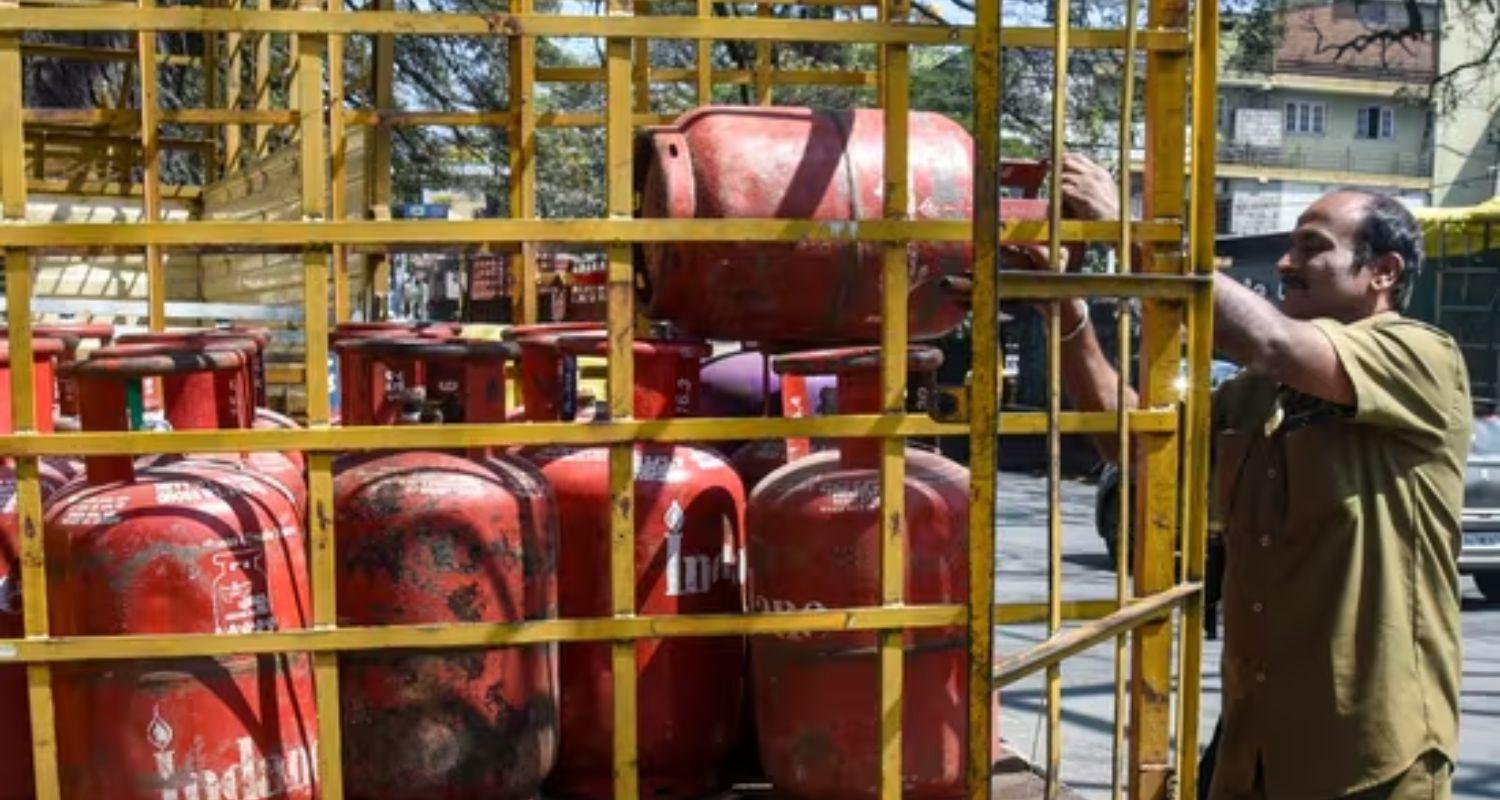
The ongoing geopolitical tensions in West Asia are now reflecting on the global energy market. The ongoing conflict between Iran and Israel has already started reflecting on the Strait of Hormuz, which is considered one of the most important oil and gas shipping lanes in the world.
Nearly 20 per cent of the world’s oil and gas passes through this narrow waterway. Any disruption in shipments can quickly affect global fuel markets. Countries that depend heavily on imported energy, including India, may experience rising LPG prices or supply pressures if the situation worsens.
Making small, efficient, and easy-to-implement changes to daily habits of food preparation can lead to a substantial cut in the consumption of gas, which can serve as a measure of preparedness against a shortage.
Ways to save LPG gas at home during a possible shortage:
1. Use pressure cookers for faster cooking
Pressure cookers are one of the best ways to save gas. This is because the steam generated inside the vessel cooks the food. The steam is generated under high pressure. This helps to cook the food in a shorter time. Rice, lentils, beans, and vegetables can be cooked in a shorter time with the help of a pressure cooker. This is one of the best ways to save gas on a large scale.
2. Always cook with lids on pots
Cooking without a lid on the pot results in the escape of heat from the food being cooked. This leads the gas burner to work harder than usual to maintain the temperature. This practice has the dual advantage of conserving gas and ensuring that the food is cooked evenly.
3. Soak pulses and grains before cooking
Soaking ingredients like chickpeas, kidney beans, and lentils before cooking them helps them get cooked faster. This practice has a dual advantage of ensuring that the gas is consumed less while cooking these ingredients.
4. Practise batch cooking
Preparation of multiple dishes at the same time helps in the efficient consumption of gas. Instead of switching on the gas burner multiple times a day, families can consider preparing all the food in one go. This practice has the dual advantage of conserving gas and saving a lot of time.
5. Use electric appliances
Electric cooking equipment can be brought to use in meeting demands that do not require LPG. This includes using an induction, an electric kettle, and a microwave for tasks such as boiling water, reheating food, and cooking simple meals. This can go a long way in saving LPG.
6. Keep burners clean and well-maintained
Burners that are not clean may cause an uneven flame, which will result in increased consumption of LPG. Cleaning burners will ensure that the flame burns evenly and save LPG.
7. Plan meals and cooking time in advance
Planning the meals to be taken will ensure that the meals are prepared in advance. This will reduce the time taken to cook the meals on the stove. This will result in a reduction of the LPG consumed, as the meals will be cooked in a shorter period of time.
Small changes to daily habits can make a big difference to the longevity of an LPG cylinder. With the current situation in the global energy market still uncertain due to geopolitical factors, the practice of saving fuels can help households deal with the situation better.
By saving gas and utilising a combination of fuels, households can avoid the dependence on a particular type of fuel.
Also read: Lok Sabha adjourned twice a day amid oppn protest over LPG issue

 Follow us