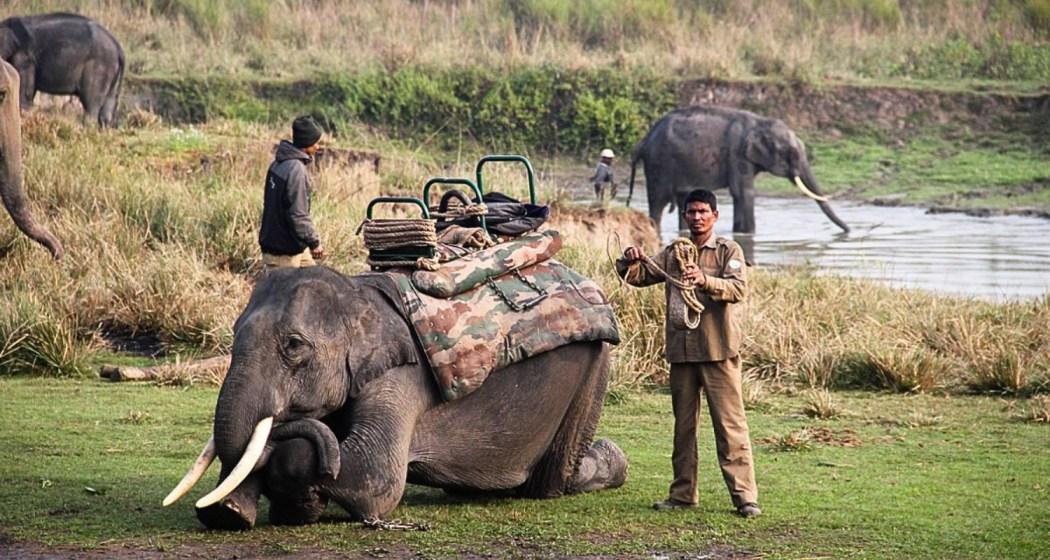
Assam’s Manas National Park and Tiger Reserve conducted a four-day training programme from February 1 to 4 on the management and welfare of captive Asian elephants, led by international experts from the Australian HELP Foundation and teams from Kaziranga National Park and the Wildlife Trust of India (WTI).
“With nearly one-third of the world's critically endangered Asian elephant population living in captivity, the programme focused on implementing science-based, ethical training methods,” Manas National Park said.
The HELP Foundation team worked closely with selected mahouts from Manas and Kaziranga, emphasising welfare-friendly practices. MNP Field Director C Ramesh said the initiative highlighted the park’s role in global conservation efforts.
“At Manas, we are proud to be at the forefront of elephant welfare, implementing world-leading and scientifically backed methods which will make a kinder world for elephants. This is a collaborative effort and shows what sustained and positive outcomes can be achieved when we all work together,” Ramesh added.
Also read: Assam strengthens rhino corridors along the Brahmaputra
The curriculum groomed ‘Master Mahouts’ to become lead trainers for future recruits across northern India, focusing on calm, safe interactions crucial for daily care and stress-free veterinary procedures.
Andrew McLean, HELP Foundation lead trainer, said, “We are so pleased to be able to work with the staffers from Kaziranga and Manas national parks. Their commitment to welfare is both authentic and commendable. We last worked with these mahouts several years ago, and their retention of the principles is excellent.”
Mark Trayling, HELP Foundation Chair, added, “In Australia, we are fortunate to have kangaroos and koalas, and India is blessed with extraordinary wildlife like elephants, tigers, rhinos and lions. We both work toward a shared goal, giving these animals their best possible life.”
The programme complements Manas National Park’s achievements in increasing rhino and tiger numbers while ensuring that its captive elephants, essential for forest patrolling, are managed to the highest ethical standards.

 Follow us