The clock is ticking towards May 1, and in the busy streets of Mumbai, the language of the meter is being replaced by the language of the state. With Maharashtra’s Marathi mandate for auto-rickshaw and taxi drivers set to begin next week, the Maharashtra Navnirman Sena (MNS) has shifted from its usual street protests to a more instructional approach, setting up roadside "classrooms" to teach basic Marathi to the city's drivers.
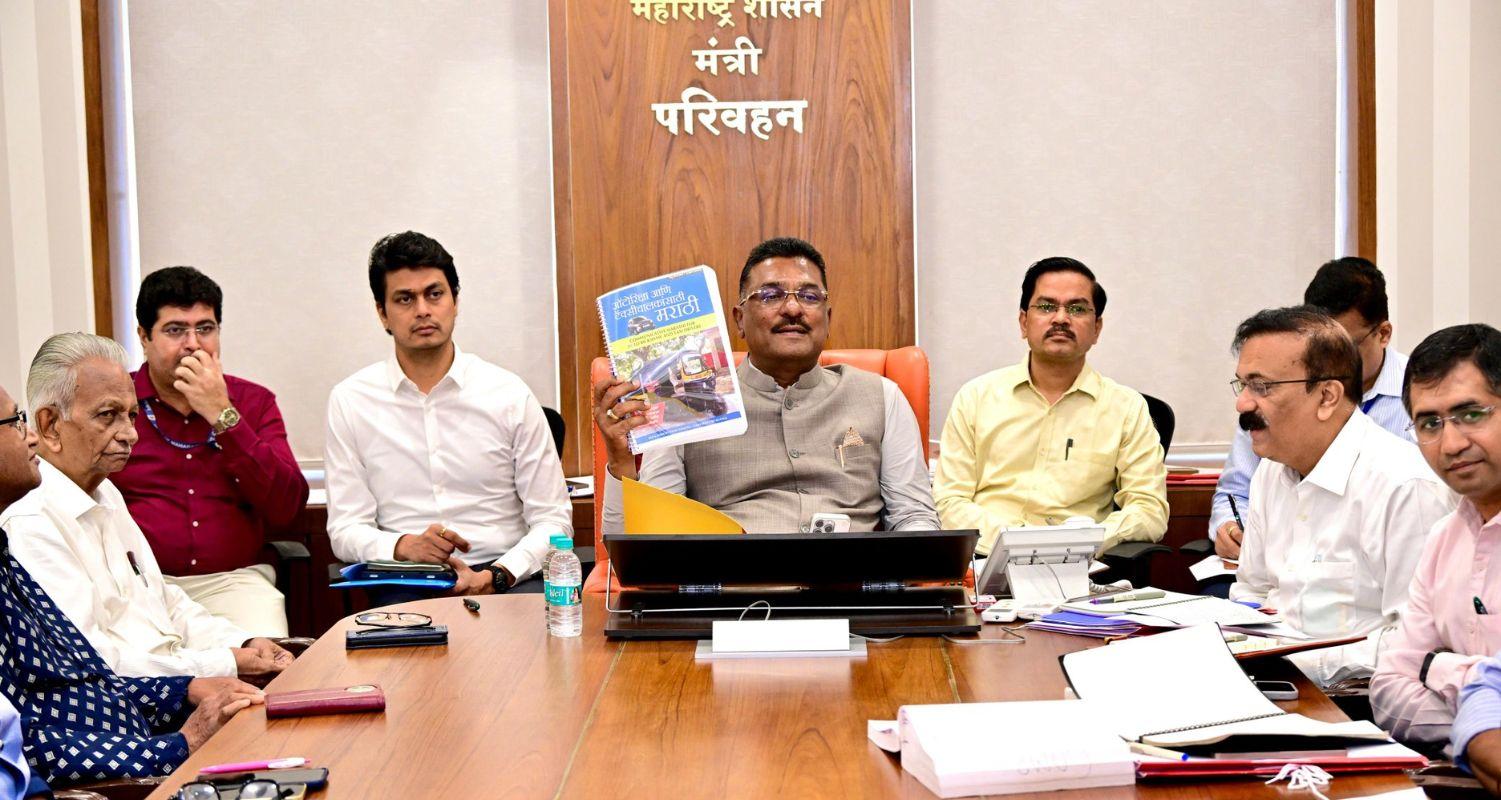
Transport Minister Pratap Sarnaik has been very clear about the government’s goals. He believes the state has a duty to ensure that anyone whether they are driving a traditional taxi, a rickshaw, or an app-based service like Uber or Rapido should speak the local language, that is, Marathi. The reasoning is practical: Sarnaik points to a growing number of arguments, also reports from the even police, caused by simple communication gaps between Marathi-speaking passengers and drivers who only know Hindi. To sort this out, a meeting of language experts and officials was arranged to finalise a proper training plan for those who don't speak the language.
The MNS has already taken the lead. Across the suburbs, party workers are holding makeshift lessons for drivers, many of whom moved to Mumbai from Bihar and Uttar Pradesh years ago. This push for education also includes a bit of branding; posters are being stuck onto rickshaws stating "I Know Marathi," turning the vehicles into proof of compliance. In Goregaon, this has become a full campaign, with drivers encouraged to display these boards to avoid any political trouble.
Naturally, things haven't stayed entirely peaceful. In Mira Bhayandar, the debate turned into a physical confrontation when MNS activists disrupted a meeting held by advocate Gunaratna Sadavarte, who was advising unions on how to oppose the new rule. The police had to step in and detain several activists. MNS leader Amit Thackeray hasn't backed down either, dismissing threats of a strike by migrant unions. He told them to go ahead with their protest but warned that any aggression against Marathi-speaking drivers who choose to work would be met with "retaliation on the streets."
Resistance is also growing from union leaders and even some political allies. Shashank Rao, who leads a major rickshaw and taxi union, has threatened a statewide protest from May 4 if the rule isn't scrapped. Meanwhile, KK Tiwari from the Bharatiya Janata Party’s transport wing warned that the mandate could lead to corruption, with people simply paying for fake language certificates.
For the drivers themselves, the issue is more about their livelihood than politics. Ramesh Yadav, a taxi driver from Uttar Pradesh, told reporters that while he's willing to learn, he's worried about how it will affect his daily earnings if he has to spend time in a classroom. The political divide remains sharp: while Sanjay Raut of the UBT Sena sees any protest as an insult to the state, Sanjay Nirupam has called for a rethink, suggesting that language should be promoted through encouragement rather than fear.
Nirupam appealed to the state government to rethink its decision to hold Marathi exams for autorickshaw and taxi drivers.
Nirupam mentioned about the atmosphere of fear panic among drivers. He said he visited Ganpat Patil Nagar area of Dahisar in the western suburbs earlier in the day to speak to autorickshaw drivers and urged them to learn Marathi and not to panic over the cancellation of their licences if they fail any exam testing their language skills.
With only a few days left until the deadline, the atmosphere on Mumbai’s roads is likely to get even more tense.
Also read: PM Modi remembers Balasaheb Thackeray on his birth centenary

 Follow us