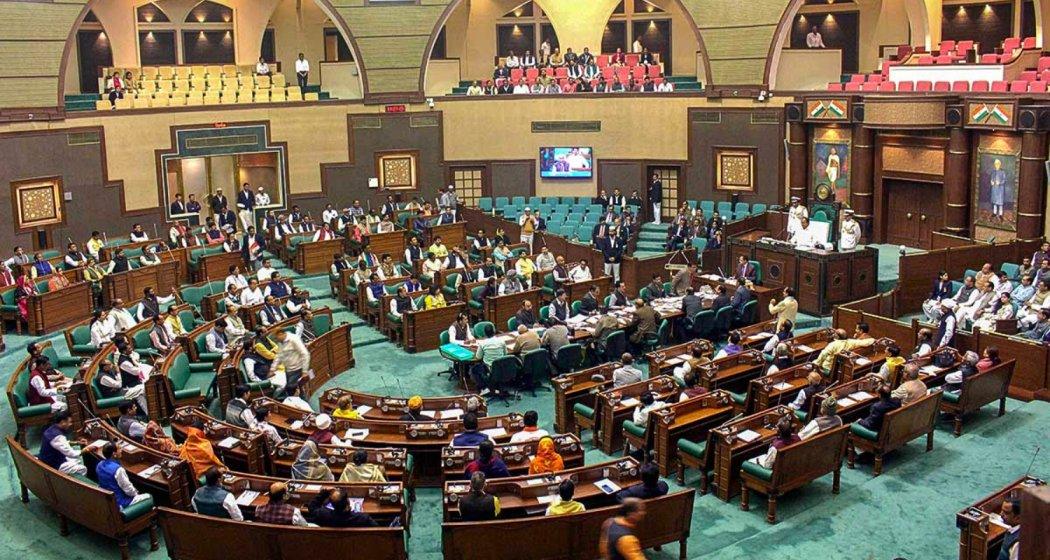
Madhya Pradesh Chief Minister Mohan Yadav on Wednesday said the state government plans to introduce and pass the Uniform Civil Code (UCC) Bill during the upcoming monsoon session of the Assembly.
Speaking to reporters, Yadav said the government was preparing to bring several important issues before the House, with the UCC being among its key priorities.
"Our government will bring forward several issues, Uniform Civil Code (UCC) is one of them. With Mahakal's blessings, this could be passed in this upcoming session," the chief minister said.
The monsoon session of the Madhya Pradesh Assembly is scheduled to be held from July 20 to July 24.
The proposed legislation has, however, drawn criticism from the opposition Congress. Congress MLA Arif Masood questioned whether the law could truly be termed "uniform" if tribal communities are kept outside its ambit.
Also read: MP CM visits Vaishno Devi shrine, eyes mgmt model for temples
"First of all, when tribal communities have been kept outside its purview, how can it still be called a Uniform Civil Code? Secondly, I believe everyone should oppose it because it will encourage live-in relationships," Masood said.
Earlier, the chief minister had announced that the government had initiated a public consultation process before moving ahead with the proposal. He said different personal laws governing marriage and family matters based on religion were no longer necessary and stressed the need for a common civil code in the state.
Yadav said the Madhya Pradesh government was drawing inspiration from states such as Uttarakhand, Gujarat and Assam, which have already adopted or passed UCC legislation.
A committee headed by a former Supreme Court judge has been constituted to gather suggestions from people across communities and districts. The government has also launched a website to seek public feedback on the proposed law.
Uttarakhand became the first state to implement a Uniform Civil Code in 2024. Gujarat passed its UCC legislation in March this year, while Assam cleared a similar law in May, providing a common legal framework for matters such as marriage, divorce, succession and live-in relationships.

 Follow us