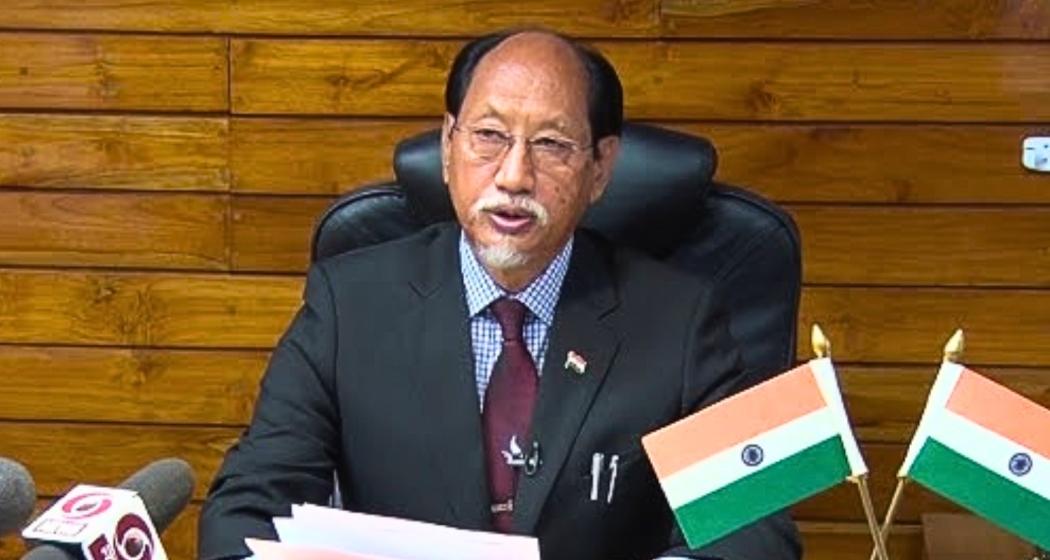
Nagaland Chief Minister Neiphiu Rio on Friday said the Nagaland government is reviewing the Nagaland Liquor Total Prohibition (NLTP) Act, 1989 through a consultative and balanced approach, while stepping up efforts to tackle substance abuse and revive oil and gas exploration.
Responding during the Budget 2026–27 discussion in the Assembly, Rio noted that the prohibition law was enacted following strong public demand to safeguard health and social welfare. However, he acknowledged that changing circumstances have led to differing views on its effectiveness.
While some sections favour stricter enforcement of prohibition, others have raised concerns over implementation challenges and the rise of illicit liquor trade, prompting calls for a reassessment of the law.
“The government recognises these varying perspectives and is aware of the operational challenges faced by enforcement agencies,” Rio said, adding that strengthening institutional capacity, awareness campaigns and rehabilitation efforts remain key priorities.
Also read: Naga groups protest 'Vande Mataram' directive at schools, offices
On drug abuse, the Chief Minister described the issue as increasingly serious, with authorities acting under the Narcotic Drugs and Psychotropic Substances Act. He informed the House that 157 cases were registered in 2025, leading to 260 arrests.
Rio stressed that enforcement alone would not suffice, pointing to underlying psychological issues. To address this, the government has introduced the Nagaland Community Wellbeing Initiative, aimed at providing mental health support to young people.
He also highlighted the long-pending issue of oil and natural gas exploration in the state, which has remained stalled since 1994 due to unresolved concerns.
The state government has taken steps including framing petroleum rules in 2012 and engaging with the Centre, but progress has been hindered by legal complications and lack of consensus among stakeholders.
Rio said the government has urged the Union Ministry of Petroleum and Natural Gas to expedite the resolution of pending issues, with the latest discussions held in February 2026.

 Follow us