The West Bengal government on Monday brought into force the much-debated Anti-Social Activities Act, a stringent law aimed at curbing crime and restoring law and order across the state.
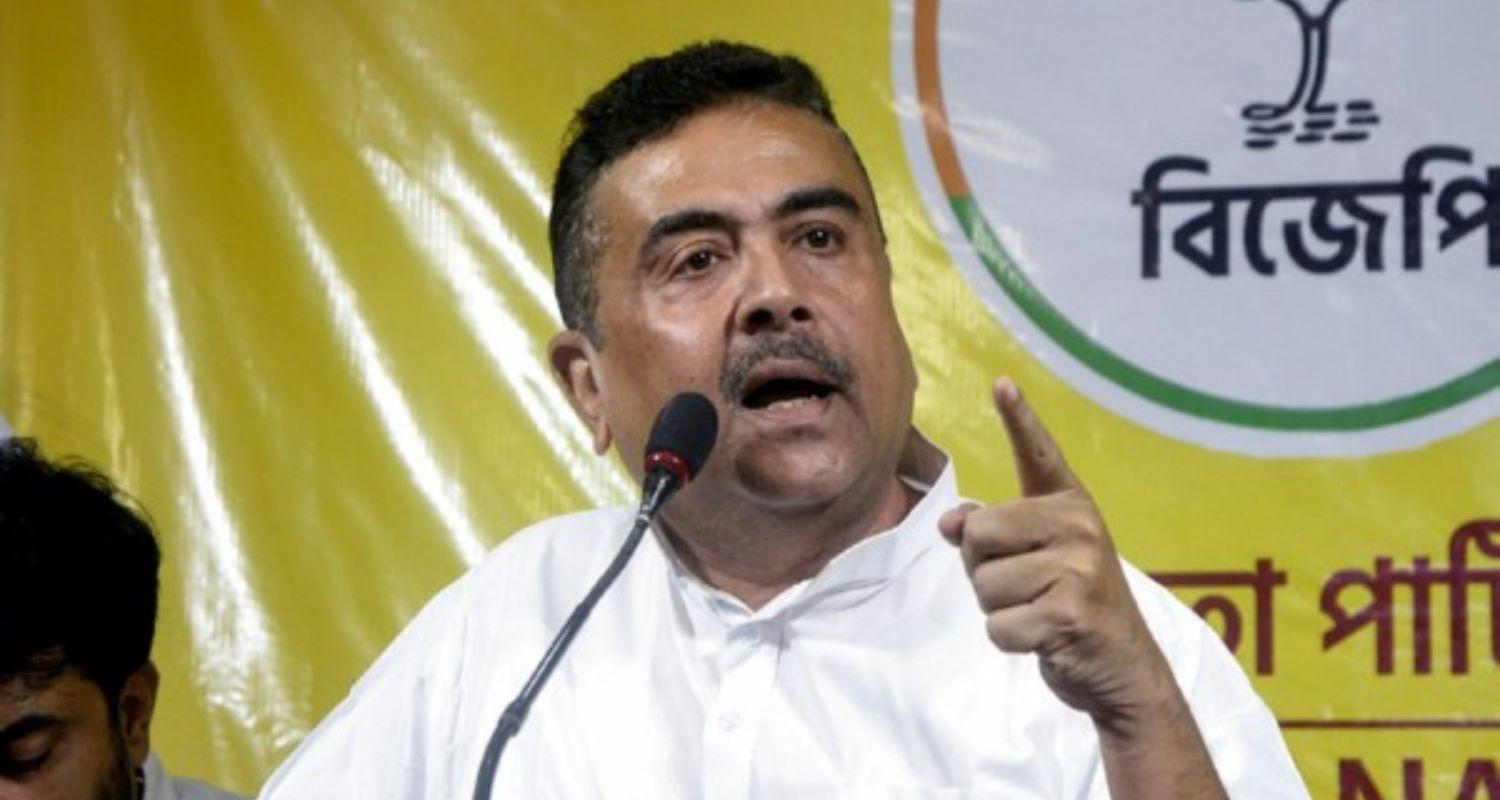
Chief Minister Suvendu Adhikari had indicated the imminent rollout of the legislation during a visit to Baruipur last week. According to sources at Nabanna, the state secretariat, the law is designed to strengthen enforcement mechanisms and act as a strong deterrent against criminal elements. Officials believe the Act significantly expands the powers of the police and local administration to prevent and control unlawful activities.
The move comes against the backdrop of repeated allegations over the past 15 years of the Trinamool Congress (TMC) regime regarding the alleged patronage of anti-social elements. Several incidents — including attacks on police personnel and mobs storming police stations to free detained accomplices — have raised concerns over the state’s law and order situation.
Issuing a stern warning in the Assembly, the Chief Minister made it clear that there would be zero tolerance for acts such as rioting, unlawful assembly, violent protests, or destruction of public and private property.
The legislation, passed along with two other key bills, empowers police to take preventive action. Authorities can now arrest or detain individuals even at the slightest indication of a potential breakdown in law and order— allowing intervention before a crime is committed.
The Act broadly defines “anti-social activities” as actions that create fear, panic, or insecurity among the public or result in damage to life and property. It specifically brings under its ambit crimes such as extortion, destruction of property, illegal syndicate operations in construction, and the illicit trade of sand, minerals, and forest resources.
A notable provision of the law is its definition of a “goonda.” Individuals habitually involved in such crimes — either independently or as part of a gang — can be officially designated as such. The law also applies to those charge-sheeted under Sections 111 and 112 of the Bharatiya Nyaya Sanhita, 2023, as well as offenders under the Arms Act, Narcotics Act, Explosives Act, and laws related to human trafficking.
Under the new framework, if the state government is satisfied — based on a report from a Superintendent of Police or higher authority—that a person poses a threat, it can order preventive detention. In addition, the law allows for the confiscation of assets belonging to individuals involved in violent incidents or property destruction.
Observers say the legislation marks a decisive shift toward a more aggressive law enforcement approach, though it is also expected to trigger debates around civil liberties and the scope of police powers.
Also read: Stir in WB BJP as ex-TMC MPs get RS tickets

 Follow us