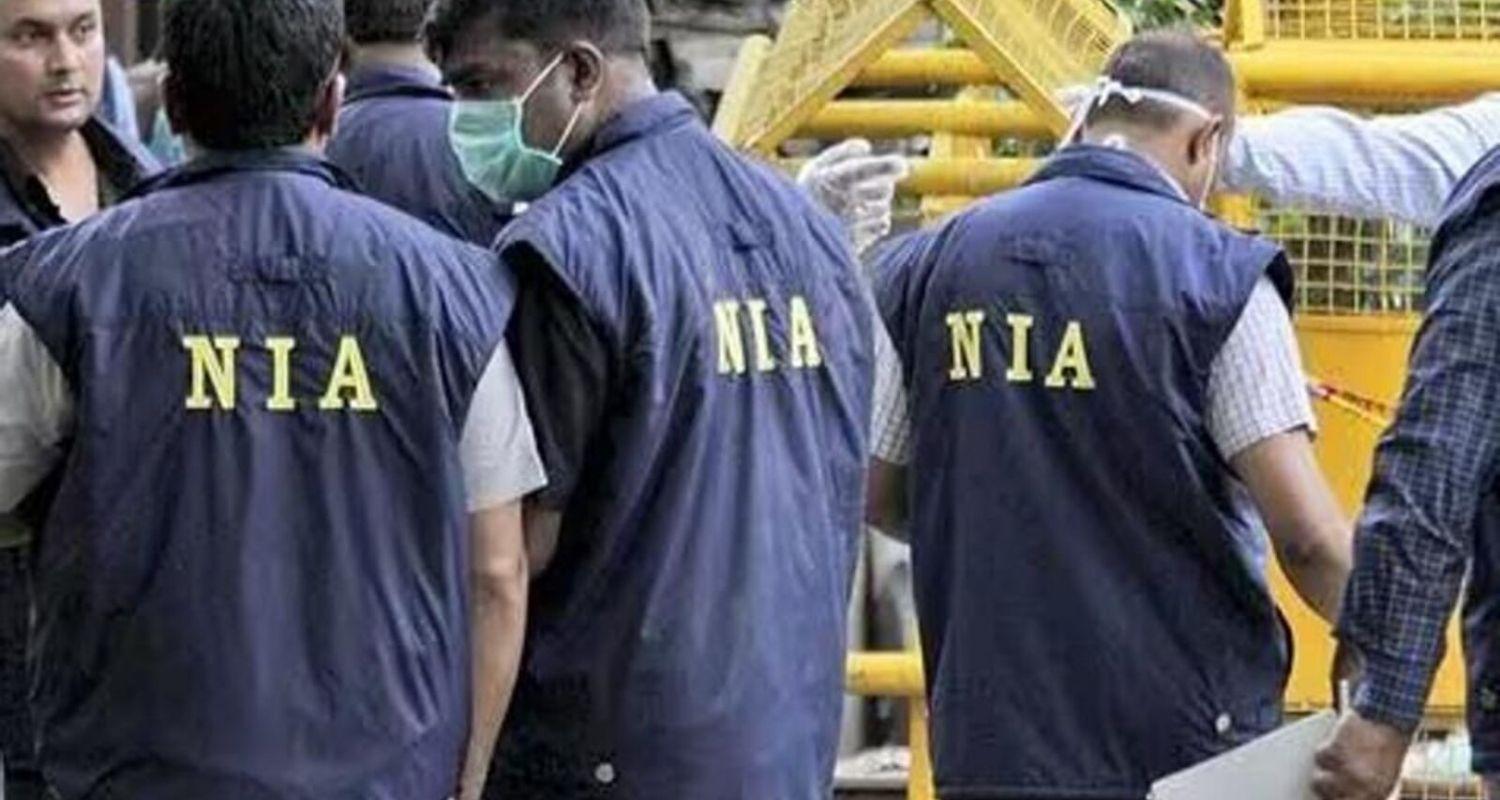
In a major operation to track down absconding militants, the National Investigation Agency (NIA) on Wednesday carried out extensive raids across several Popular Front of India (PFI) centres in Kerala.
The coordinated action covered multiple locations in Ernakulam, Palakkad and Thrissur districts. According to official sources, nearly 20 premises were searched as part of the crackdown, with the focus on tracing six key PFI activists who have been evading arrest since cases were registered against them following the nationwide ban on the organisation.
The absconders are wanted in connection with cases involving alleged unlawful activities and the murder of RSS worker Sreenivasan, a case that has drawn significant attention. To intensify the manhunt, the NIA has announced cash rewards for information leading to their arrest.
Among the most wanted is Abdul Vahab (38) of Aluva, on whom a reward of ₹7 lakh has been announced. Similar rewards have been declared for Abdul Rasheed K (35) of Pattambi and Ayub T.A. (52) of Edavanakkad.
Also Read: Shah flags security threats in Kerala, targets SDPI, Jamaat
The agency has also offered a reward of ₹3 lakh for information on Muhammad Mansoor (43) from Pattambi. In addition, the NIA has sought public assistance in locating Muhammad Yasar Arafath of Alangad and Moideenkutty P of Valanchery, assuring that the identity of informants will be kept strictly confidential.
During the simultaneous raids, investigators reportedly seized several digital devices, including mobile phones and SIM cards, along with bank passbooks and other documents. Sources said that diary entries suspected to contain details related to Hawala transactions and foreign funding were also recovered.
Officials said the current phase of the investigation is focused on dismantling alleged “sleeper cells” that provide logistical and financial support to the absconding suspects. Intelligence inputs suggest that while some of the wanted individuals may still be hiding within Kerala, others could have moved to neighbouring states.
By analysing the seized documents and digital data, the NIA aims to expose the wider network believed to be aiding the movement, shelter and funding of these fugitives, sources added.

 Follow us