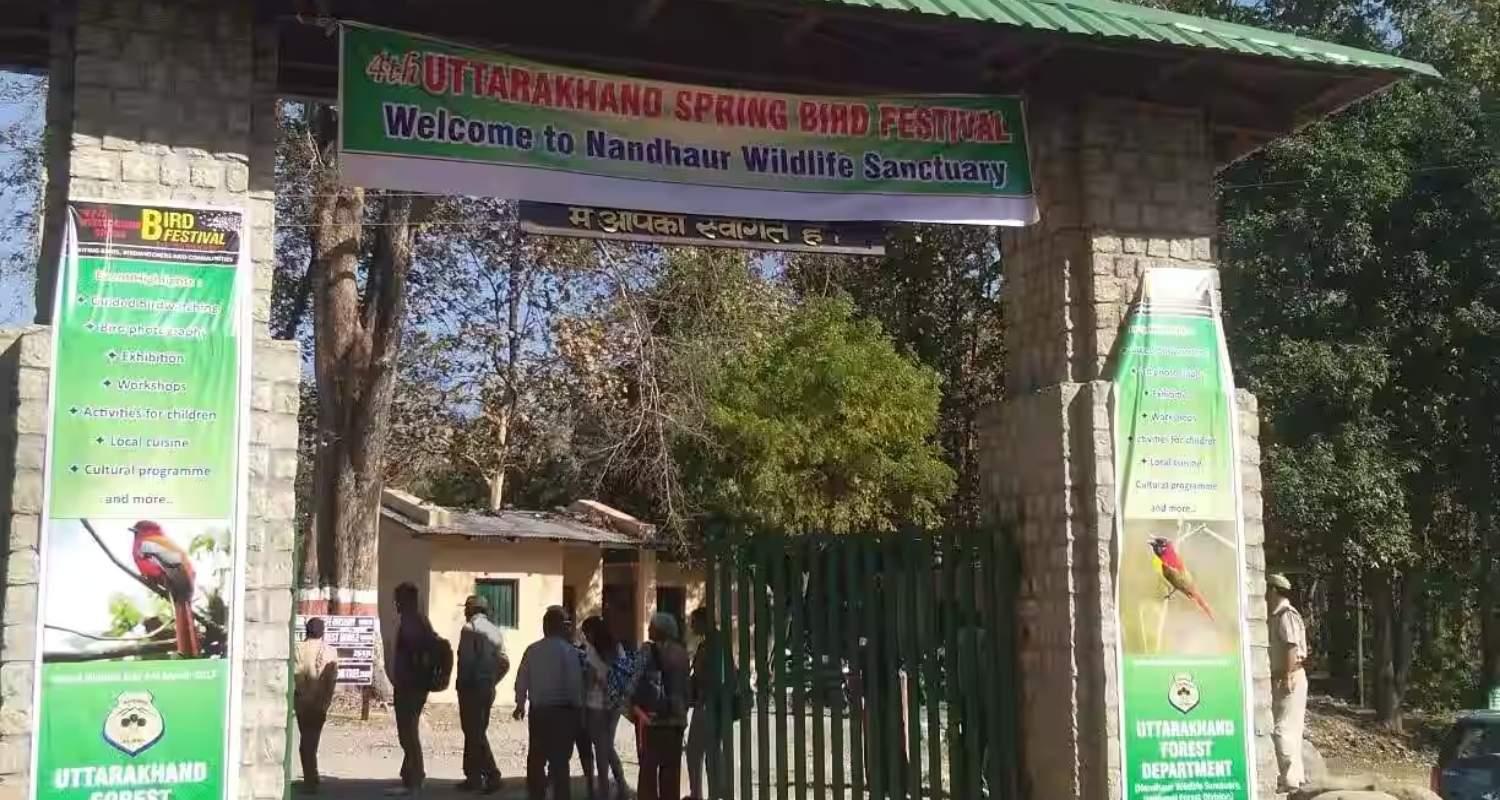
Tourists visiting the Nandhaur Wildlife Sanctuary in Uttarakhand can now experience its rich biodiversity through a newly developed gallery aimed at promoting eco-tourism and spreading awareness among nature lovers, an official said on Monday.
The sanctuary, named after the nearly 30-km-long Nandhaur River that flows through it, is the newest wildlife sanctuary in the state, having been officially notified in 2012. Spanning an area of about 269 square kilometres, it forms an integral part of the Kumaon forest region, which gained recognition through the writings of Jim Corbett, the famed hunter-turned-conservationist.
Divisional Forest Officer of the Haldwani Forest Division, Kundan Kumar, informed that the ‘Nandhaur Biodiversity Gallery’ has been established at the Chorgalia and Kakarali entry gates of the sanctuary. He said the initiative is part of ongoing efforts to strengthen eco-tourism while enhancing public awareness about conservation.
According to the latest tiger census, the forest division is home to 37 tigers, along with a diverse range of flora and fauna. Kumar pointed out that despite being one of the most biodiverse regions in Uttarakhand, much of Nandhaur’s natural wealth often goes unnoticed by visitors.
Also read: HP CM inspects geothermal-powered fruit-drying unit in Kinnaur
“This gallery offers an engaging and informative platform for visitors to understand the sanctuary’s biodiversity, especially for those who may not be able to spot wildlife during their visit,” he said.
An Indian Forest Service officer from the 2017 batch, Kumar further explained that the gallery has been designed as a visually appealing and educational space. It features high-quality panels showcasing a wide variety of species, including mammals, birds, butterflies, reptiles and other wildlife found in the sanctuary.
Highlighting a key attraction, he said the gallery also includes a ‘historical section’ that displays rare and curated archival material depicting the legacy of forest management in the region. This section features photographs of old forest rest houses, reflecting both architectural heritage and the historical presence of forest administration.
In addition, the gallery presents visual documentation of the historic ‘Nandhaur Tramway System’, which was once used for the extraction and transportation of timber, offering visitors a glimpse into the region’s past forestry practices.

 Follow us