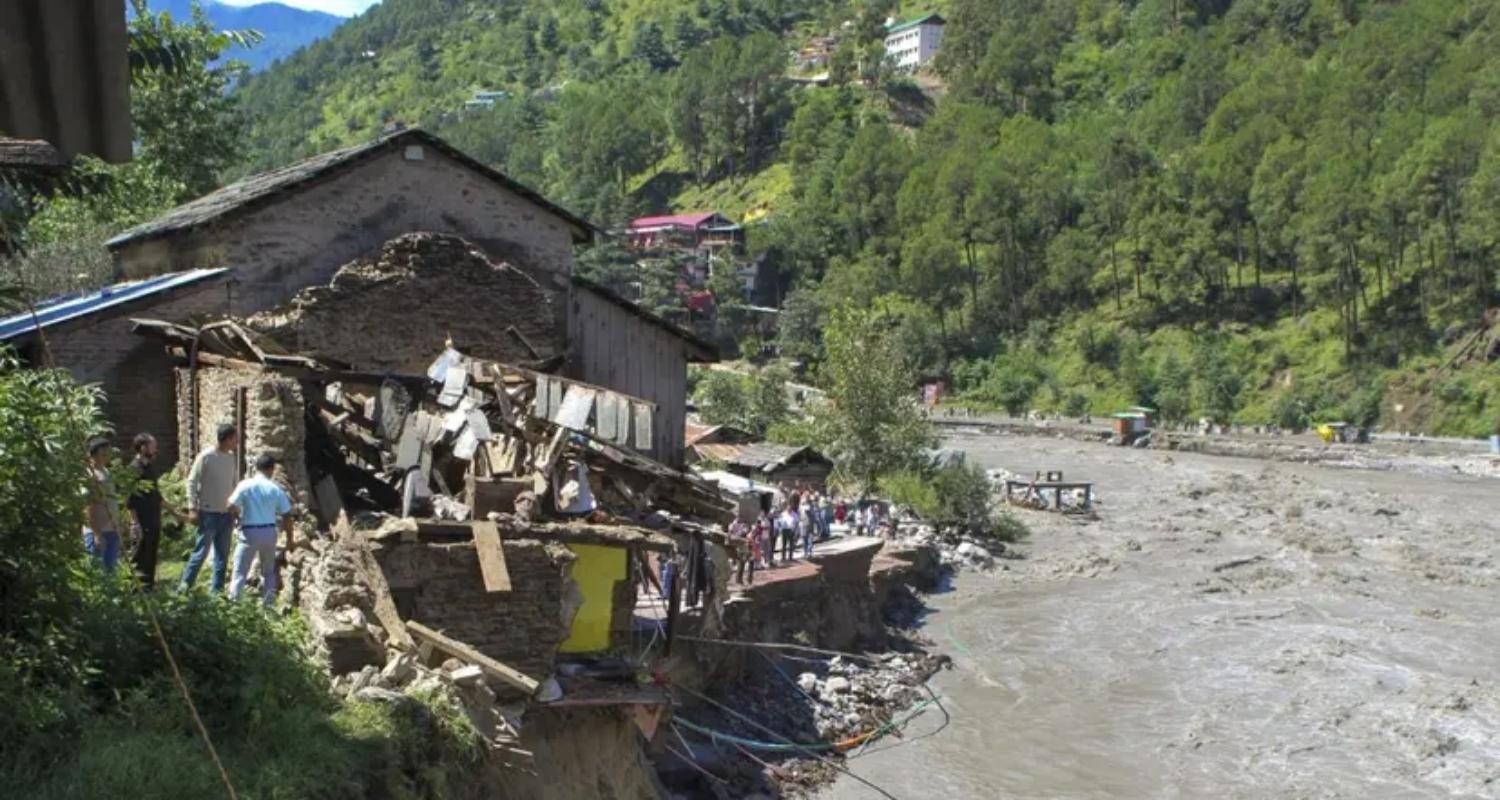
A year has passed since the devastating disaster that struck Dharali and the Bhagirathi Valley on August 5. In a matter of minutes, huge amounts of debris washed away homes, livelihoods and years of hard work.
The disaster caused extensive damage to houses, shops, farms, orchards and livestock. Many families were left struggling with loss and uncertainty about their future.
According to the Chief Minister's Office, Dharali, Harsil and Bhatwari are gradually recovering. Roads and key infrastructure have been restored, fields have turned green again, orchards are producing fruit, and economic activities are slowly picking up.
The fear and hopelessness seen after the disaster have now been replaced by optimism and confidence in the rebuilding process.
The Uttarakhand Government, led by Chief Minister Pushkar Singh Dhami, adopted a long-term approach from the beginning. The focus moved from rescue and relief to rehabilitation and later towards redevelopment, the release said.
The Chief Minister visited the affected areas several times, met families impacted by the disaster and closely reviewed relief and rehabilitation work. He directed officials to ensure timely assistance and quick restoration of essential services.
The release stated that the government's efforts over the past year have gone beyond repairing damaged infrastructure. Equal attention has been given to rebuilding livelihoods and strengthening the local economy.
More than Rs 16 crore has been spent on development and rehabilitation projects through departments such as Animal Husbandry, Irrigation, Horticulture, Agriculture, Rural Development, Energy, Tourism, Public Works and Food & Civil Supplies. Additionally, over Rs 17 crore has been provided to affected families through different relief programmes.
Overall, the government has spent more than ₹33 crore during the past year on reconstruction projects, rehabilitation measures and financial support for affected families.
For many residents, rebuilding their source of income was the toughest task. Some lost orchards, while others suffered losses to crops, livestock and businesses. The government therefore focused on restoring livelihoods along with rebuilding infrastructure.
The release said support was provided for goat and sheep farming, compensation was given for damaged orchards, and farmers received crops and saplings to restart cultivation. Efforts were also made to restore irrigation facilities, drinking water systems and electricity connections at the earliest.
Repair work on damaged roads was taken up on priority. Flood protection projects along riverbanks were also strengthened to reduce the impact of future disasters and improve preparedness.
Since tourism is a major source of income in the Bhagirathi Valley, the government placed special focus on reviving tourism-related activities. The aim was to help local businesses recover and generate employment opportunities.
The government's work has gradually moved from emergency relief operations to compensation, rehabilitation and long-term redevelopment.
During review meetings, Chief Minister Dhami repeatedly stressed that reconstruction should not simply replace what was lost. Instead, it should help create a safer and stronger region for the future.
Chief Minister Pushkar Singh Dhami said the Dharali disaster was not only about rebuilding roads and structures but also about restoring the lives of affected families. He said the government has stood with the people from day one and remains committed to making the Bhagirathi Valley safer, stronger and more prosperous. He added that rehabilitation and reconstruction efforts will continue.
A year ago, images of destruction from Dharali shocked people across the country. Today, the region has become a symbol of recovery and determination. Roads have been rebuilt, orchards are thriving again and normal life is gradually returning.
The progress seen in the Bhagirathi Valley over the past year reflects the resilience of local residents as well as the government's continuous efforts, quick response and focus on rebuilding under the leadership of Chief Minister Pushkar Singh Dhami.

 Follow us