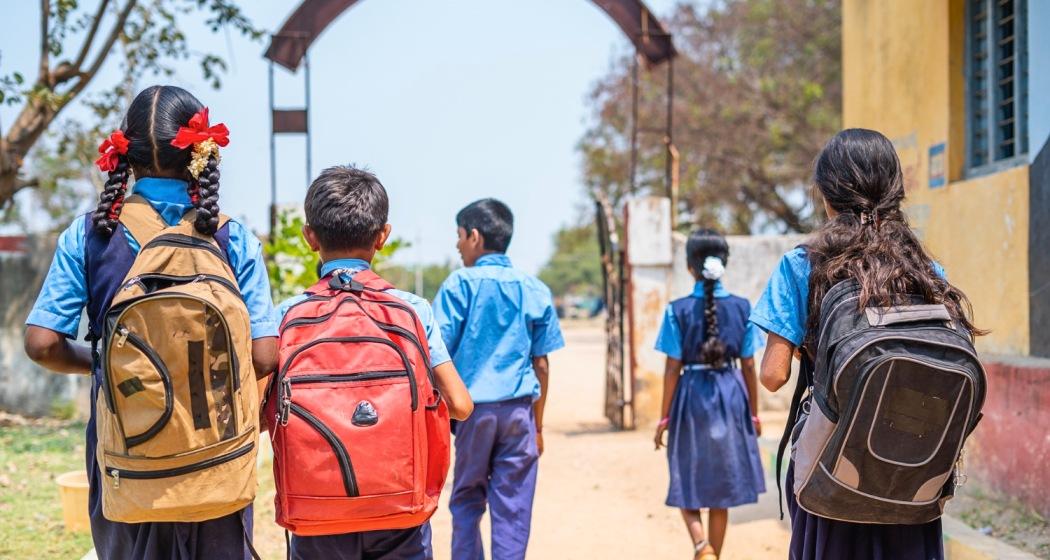
Maharashtra has more than 1.04 lakh primary schools with about 1.45 crore students enrolled, while secondary and higher secondary schools number 29,641 with a combined enrolment of 63.6 lakh students, according to the Economic Survey 2025-26 tabled in the state legislature on Thursday.
The survey noted that the number of schools imparting primary and upper primary education increased marginally from 1,04,499 in 2023-24 to 1,04,526 in 2024-25. However, the proportion of such schools located in rural areas declined slightly from 75.2 per cent to 75.1 per cent during the same period.
The number of primary schools per thousand children in the relevant age group also dipped marginally from 10.1 in 2023-24 to 10 in 2024-25.
Girls’ enrolment in schools saw a slight improvement, rising from 47.7 per cent in 2023-24 to 47.8 per cent in 2024-25. The pupil-teacher ratio also improved,
dropping from 31.1 to 30:1.
According to the survey, the state government is implementing several child welfare and nutrition programmes, including the Integrated Child Development Services (ICDS) scheme. The scheme currently operates through 1,10,664 anganwadi centres across 553 child development projects.
Also read:
These centres provide services such as supplementary nutrition, immunisation, health check-ups, referral services and pre-school education for children below six years of age, as well as support for pregnant and lactating women.
The report also highlighted an increase in the share of the child budget in the state’s overall budget, which rose from 12.9 per cent in the revised estimates for 2024-25 to 13.3 per cent in the budget estimates for 2025-26.
On women’s welfare, the survey said the state has established fast-track courts, Bharosa cells and over 1.19 lakh complaint redressal committees in government and private institutions to address crimes against women and workplace harassment.
However, crimes against women increased to 50,350 cases in 2025 from 46,320 in 2024 and 47,029 in 2023, underlining the need for stronger safety and support mechanisms.

 Follow us