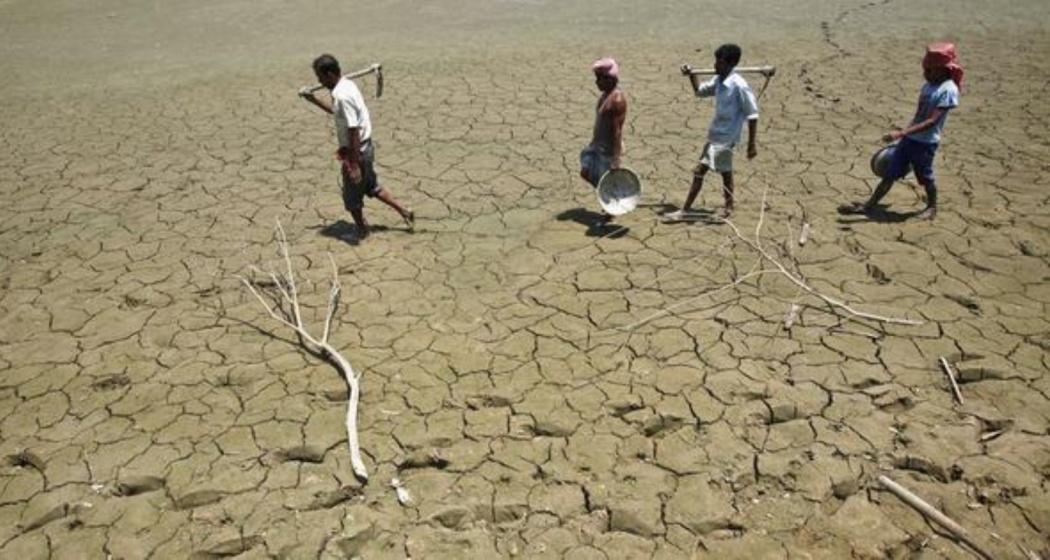
More than 5,000 farmers have died by suicide in Maharashtra’s drought-prone Marathwada region over the past five years, with 2025 emerging as the deadliest year, according to an official report released on Wednesday.
Data compiled by the divisional commissioner’s office shows that 5,075 farmer suicides were recorded between 2021 and 2025 across the eight districts of the Marathwada division. Of these, 1,129 deaths occurred in 2025 alone, the highest annual toll in the period under review.
Marathwada comprises Chhatrapati Sambhajinagar, Jalna, Parbhani, Nanded, Beed, Dharashiv, Hingoli and Latur districts, regions long marked by agrarian distress, erratic rainfall and mounting debt.
Year-wise figures underline a persistently grim trend: 887 suicides in 2021, 1,023 in 2022, 1,088 in 2023, 948 in 2024, before rising sharply again last year. Officials attributed the spike in 2025 to a combination of extreme weather events and crop losses.
Beed district reported the highest number of farmer suicides in 2025 at 256, followed by Chhatrapati Sambhajinagar with 224 and Nanded with 170 deaths. Dharashiv recorded 141, Parbhani 104, Jalna 90, Latur 76, and Hingoli 68 suicides during the year. Ex gratia assistance was provided to the families of 193
farmers in Beed.
Also read: Unable to cope with losses, farmer attempts suicide
The report highlighted severe climatic disruptions during the year, including unseasonal rainfall in May and excess precipitation ranging from 125 to 150 per cent in several districts. The situation worsened when floods devastated parts of Marathwada in September and October 2025, destroying standing crops and compounding financial stress.
Of the total suicides recorded last year, 537 deaths occurred between May and October, a period marked by repeated rain-related calamities. Officials noted that crop damage, rising input costs and delayed compensation added to farmers’ vulnerability.
Marathwada has historically remained one of the most distressed agrarian regions in the country, despite successive relief packages and loan waiver announcements. The latest figures have renewed concerns over the effectiveness of existing support mechanisms and the need for long-term solutions to address rural indebtedness, irrigation gaps and climate resilience.

 Follow us