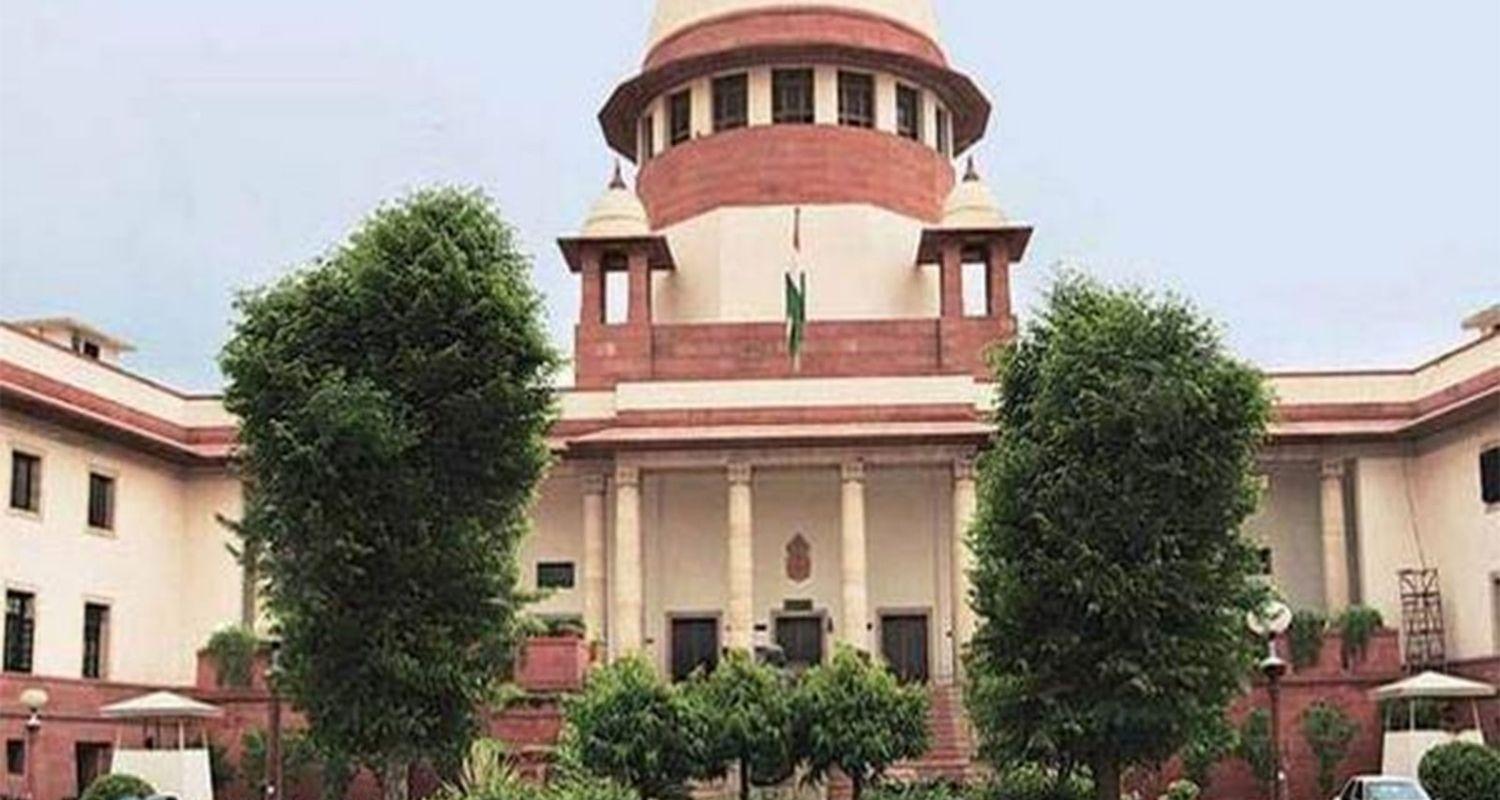
Punjab and Haryana are moving closer to finding a mutually acceptable solution to their long-running dispute over the Sutlej-Yamuna Link (SYL) Canal, the Supreme Court was informed on Wednesday.
Attorney General R Venkataramani, appearing before the Supreme Court, said both states were now working towards a common understanding. He said Punjab had shown greater willingness to resolve the issue.
“I must say that today we speak in a joint voice. Punjab is coming much closer. They have opened their heart much more than what they were talking last time,” Venkataramani said.
Chief Justice of India Surya Kant noted the development and said, “Once the heart opens, the door also opens.”
The bench, which also included Justices Joymalya Bagchi and V Mohana, was hearing the decades-old dispute between Punjab and Haryana over the sharing of Ravi-Beas waters and completion of the SYL Canal.
Senior advocate Kapil Sibal, who also appeared in the matter, said there had been significant progress in the discussions.
The Attorney General sought a short adjournment and suggested August 20 or a date during the following week. The CJI agreed, observing that a brief delay would not affect the proceedings given the progress towards a possible settlement.
Last year, the Supreme Court had criticised Punjab for de-notifying land acquired for the canal. The court described the move as “high-handedness” and urged Punjab and Haryana to work with the Centre to find a solution.
The Supreme Court is hearing an original suit filed by Haryana in 1996. The state has sought completion of the SYL Canal so that it can receive its allocated share of the Ravi-Beas river waters.
The dispute dates back to the 1981 water-sharing agreement, reached after Haryana was carved out of Punjab in 1966. Under the arrangement, the SYL Canal was to be built to facilitate the distribution of water, with both states responsible for constructing their respective portions.
Haryana completed its part of the canal. Punjab, however, stopped construction after the initial phase, leading to several legal battles between the two states.
In 2004, the Punjab government passed legislation unilaterally ending the 1981 water-sharing agreement between Punjab, Haryana and Rajasthan. The Supreme Court struck down the law in 2016.
Punjab later returned the acquired canal land to the original landowners. In 2017, the Supreme Court directed the state to maintain the status quo on the land and properties linked to the canal project.
The SYL Canal project was based on the 1981 agreement, which sought to redistribute the waters of the Ravi and Beas rivers in the “overall national interest” and ensure their optimum utilisation.

 Follow us