
Trending:
Ram Temple donation row: SIT flags ‘supervisory failures’
The SIT noted that this pattern indicated the thefts were continuous and repeated rather than isolated incidents. Follow us
News Arena Network - Ayodhya - UPDATED: July 7, 2026, 09:06 AM - 2 min read
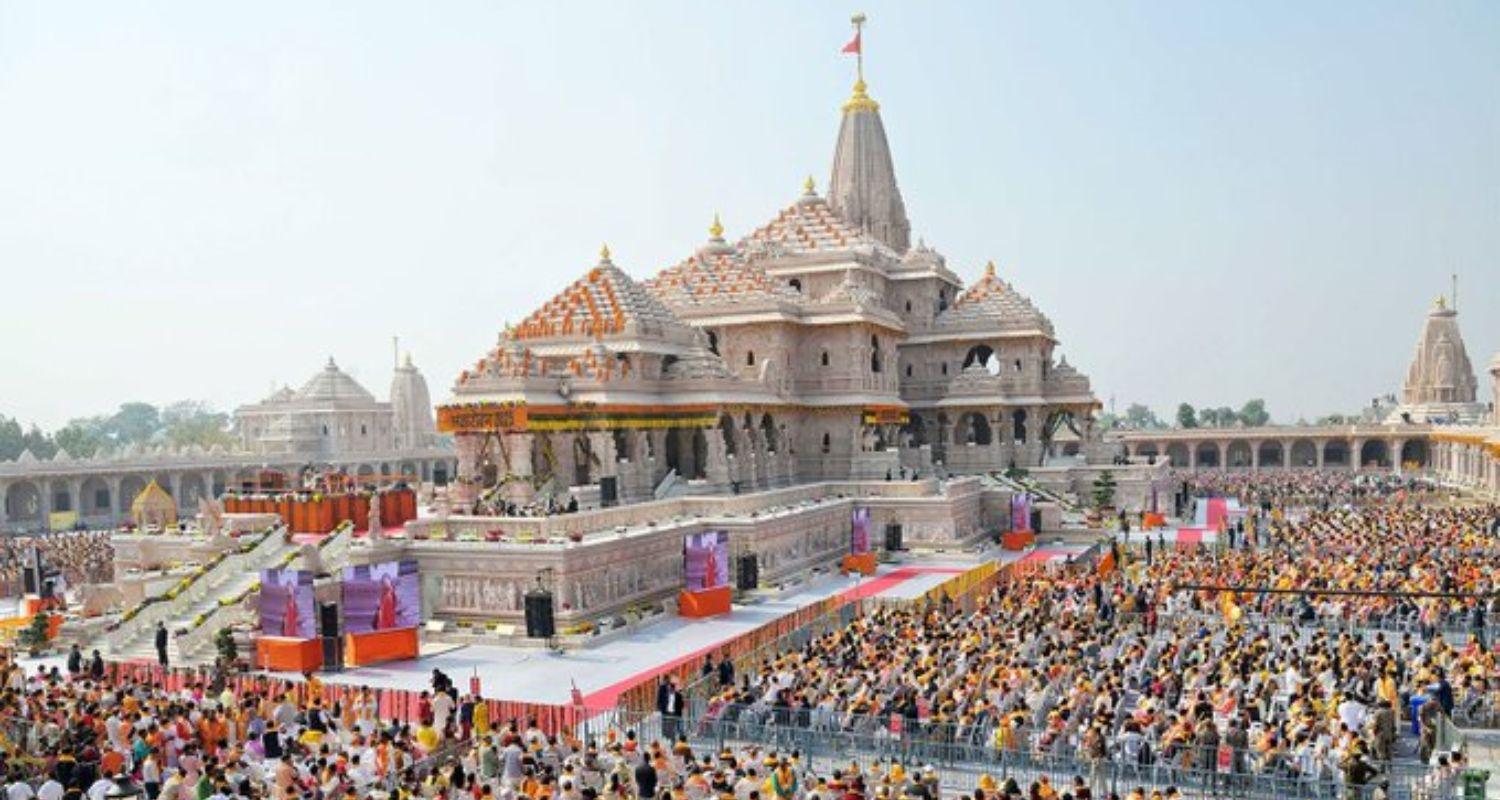
Ram Temple, Ayodhya.
A Special Investigation Team (SIT) probing allegations of irregularities in donations to the Ram Temple has stated in its preliminary findings that repeated pilferage occurred inside the temple’s donation counting room due to serious supervisory failures and systematic violations of prescribed security protocols. Presented during a meeting of the Shri Ram Janmabhoomi Teerth Kshetra Trust on Monday, the report recommended registering criminal cases against six cash-counting personnel — all of whom have been arrested — while also calling for an investigation into the role of supervisory officials and others responsible for enforcing security measures.
According to investigators, CCTV footage available between April 27 and June 5, 2026 captured around 70 instances in which cash-counting personnel were seen concealing bundles of currency notes and loose cash inside their clothes, pockets and shoes. The SIT noted that this pattern indicated the thefts were continuous and repeated rather than isolated incidents. The actual scale of the alleged embezzlement could be far larger because CCTV recordings prior to April 27 were unavailable, having been automatically overwritten due to limited storage capacity. Statements from the accused and an analysis of their bank transactions suggest similar acts may have occurred before the available footage period.
The SIT identified Avinash Shukla, Anukalp Mishra, Lavkush Mishra, Manish Kumar Yadav, Karunesh Pandey and Ramashankar Mishra as the six individuals whose involvement was prima facie established through CCTV footage, recovery records and financial evidence. While Shukla and Yadav were repeatedly seen hiding cash, the remaining accused were found assisting or facilitating the thefts on multiple occasions. All six remain in custody.
Before the SIT was constituted, the temple trust had already recovered approximately ₹2.79 crore, alongside foreign currency, jewellery and other valuables, from individuals associated with the counting process. Additionally, a further sum was recovered from a washroom adjacent to the counting room on June 4. The SIT discovered substantial discrepancies between the declared income of the accused and the deposits in their bank accounts. Although the counting staff earned around 20,000 rupees a month, investigators found unusually large cash deposits, fixed deposits and other financial transactions, suggesting that siphoned money was routed through personal accounts and those of relatives.
The report points to widespread violations of the Standard Operating Procedure (SOP) jointly framed by the trust and the State Bank of India for handling temple donations. The mandatory search upon entering and leaving the premises was not conducted; pocketless clothes were not implemented; personal items were permitted in the counting room; attendance using biometrics did not work; funds from different charity boxes were mixed up before counting; records according to denominations were not made; and there was no CCTV surveillance to act as a deterrence.
Also there were issues regarding the role played by senior executives of the trust. Anil Mishra, who was an official of the trust in drafting the SOP along with the bank, did not see to it that security protocols were enforced despite knowing that there was negligence in doing so. He has been held responsible for senior supervisory failure and has resigned from his position. Subhash Srivastava, who managed the counting room, was accused of gross neglect for failing to enforce frisking and to make sure that protocols were followed. Furthermore, there was another issue concerning Ramshankar Yadav, who continued holding the key to the boxes without any official sanction, and even went on to recommend the nomination of his relative, Manish Kumar Yadav.
The study aimed at investigating the reason behind the downplaying of the mandatory procedure of frisking, due to the SOP revision made in February 2025, which substituted the former with just routine checks, despite the fact that these checks had not been made at all. Several weaknesses in the process of dealing with the donations had been found by the internal audit conducted between 2022-23 and 2025-26 years.
Conversely, the SIT clarified that social media allegations regarding the disappearance of donated silver bricks and other valuable offerings could not be substantiated. After examining trust records and conducting physical verifications, it found that the cited silver donations and other valuables remained fully accounted for and had been officially processed in accordance with documented procedures. The trust confirmed on Monday that all items and valuables were recorded in the files and offered to show them directly to the donors.
The SIT emphasised that its report remains preliminary and recommended the formal registration of criminal cases against the six accused under provisions relating to theft, criminal breach of trust, criminal misappropriation, possession of stolen property, and conspiracy. It also recommended further investigation against the supervisory personnel for conspiracy, abetment, common intention and gross dereliction of duty. A further investigation into administrative accountability, institutional failures, the management of gold and silver offerings, and long-term systemic reforms is still underway, with a final report to be submitted after the probe is complete. The state government has extended the SIT deadline to submit its final findings until July 15.
Also read: SIT steps up Ram Mandir donation embezzlement probe
