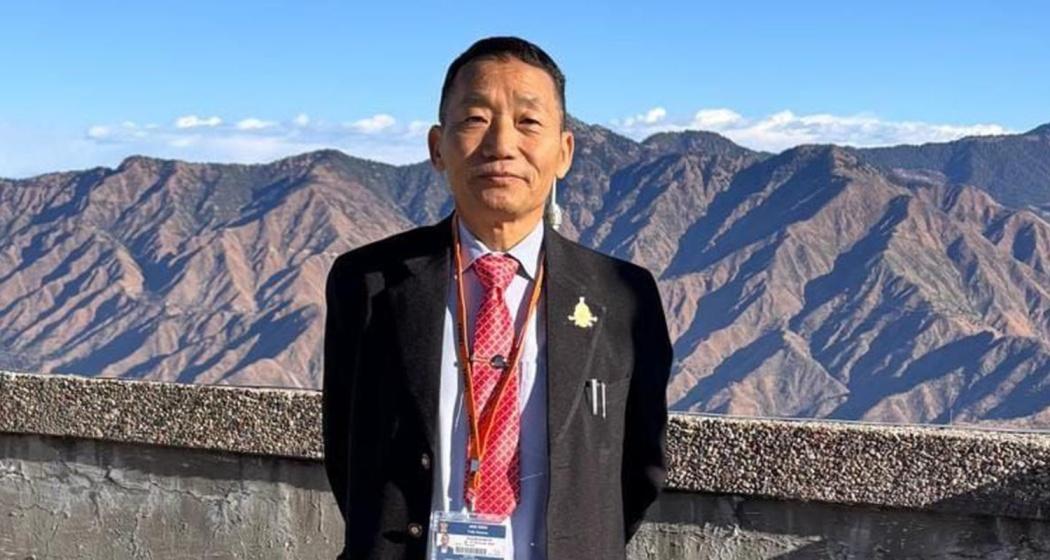
The Supreme Court on Thursday upheld the bail granted to Arunachal Pradesh IAS officer Talo Potom in an abetment of suicide case linked to the death of 19-year-old Gomchu Yekar, setting aside an earlier order of the Gauhati High Court that had cancelled his bail.
A Bench comprising Justices J.K. Maheshwari and Atul S. Chandurkar allowed Potom’s appeal after hearing arguments from both sides and held that there were no valid grounds to revoke the bail earlier granted by the trial court. The apex court ordered that the bail granted by the trial court would remain in force.
However, the Court imposed strict conditions, directing Potom not to threaten, influence or intimidate the complainant or witnesses during the course of the trial. It cautioned that any violation of these conditions could lead to cancellation of bail.
The Supreme Court also refrained from making any observations on the alleged dying declaration, clarifying that such restraint was necessary to ensure that the merits of the case remain unaffected during trial proceedings.
Also read: Former Itanagar DC arrested over twin suicide case
The case relates to the death of Gomchu Yekar, whose body was recovered from a rented accommodation in Lekhi village on October 23, 2025. Investigators had claimed that suicide notes recovered from the scene allegedly named individuals accused of mental harassment, sexual exploitation, corruption-related activities and exposure to HIV/AIDS.
Potom was arrested on October 27, 2025, and was initially granted bail by a Sessions Court within a week. However, the deceased’s father challenged the order, following which the Gauhati High Court cancelled the bail and directed his custody.
While cancelling bail earlier, the High Court had observed that the trial court had not adequately examined the evidence and had overlooked material, including references in the alleged suicide note. It had also noted concerns raised by the prosecution over deletion of WhatsApp chats and voice recordings sent for forensic analysis.
Potom later approached the Supreme Court challenging the High Court’s order, which has now been set aside.

 Follow us