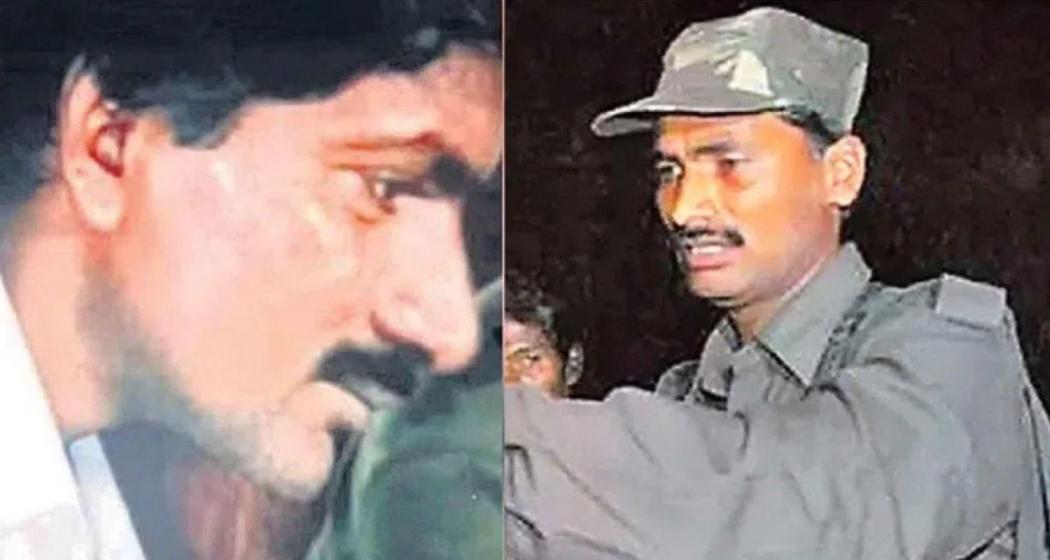
Senior Maoist leaders Devji and Malla Raju Reddy, alias Sangram, have surrendered before the Telangana Police in what authorities described as a major breakthrough in the fight against Left-wing extremism.
Chhattisgarh Home Minister Vijay Sharma confirmed the development on Sunday, saying Devji had taken over as general secretary after the death of Maoist leader Basavaraju in a police encounter last year and had remained actively involved in operations for several years.
“As per information coming, Devji, who became general secretary after Basavaraju, has surrendered before the Telangana Police,” Sharma said.
He added that Reddy was among the senior Maoist leaders who had been active for decades in the Abujhmad region of Chhattisgarh and adjoining areas, including Gadchiroli in Maharashtra.
Also read: Shah reviews anti-Naxal ops, reiterates March 31 target
Describing the surrenders as a significant success for security forces, Sharma said the anti-Naxal campaign had entered its final phase. “I believe we have reached the last stage of the fight against Naxalism. Only one top leader is said to be left, who is very elderly. Apart from him, there are one or two others, but they are not as active. Talks are continuously going on with the remaining people,” he said.
Referring to ongoing security operations in Karregutta, Sharma said forces had recovered 89 improvised explosive devices (IEDs) during search operations, dealing what he termed a major blow to Maoist infrastructure.
“The stronghold built by Naxals there is about to collapse. We are fully confident that Naxalism will be completely eliminated by March 31, 2026,” he said.
Sharma credited Union Home Minister Amit Shah’s strategy and the operational support extended by Chhattisgarh Chief Minister Vishnu Deo Sai for the gains made in anti-Naxal operations.
Security forces have stepped up operations in Maoist-affected regions in recent months, leading to a series of surrenders, arrests and recoveries of arms and explosives as part of efforts to dismantle insurgent networks across central India.

 Follow us