Multiple cloudbursts and incessant rainfall wreaked havoc across South, Central and North Kashmir, triggering flash floods that claimed one life and caused extensive damage to infrastructure.
The cloudbursts caused significant destruction, particularly in Kupwara's Lolab Valley and the Pahalgam area of South Kashmir.
The worst-hit area was Hamil-Warnow village in Lolab Valley, where a powerful cloudburst accompanied by heavy rain and hailstorms struck late in the afternoon.
With this latest fatality, the official death toll from rain-related incidents across Jammu and Kashmir has risen to 32. Most of the deaths, however, have been reported from the Jammu division since mid-July.
In a separate incident, a cloudburst struck the upper Batkoot area of Pahalgam in Anantnag district, causing the Wardbal Nallah, Overa Nallah and other tributaries of the Lidder River to swell rapidly.
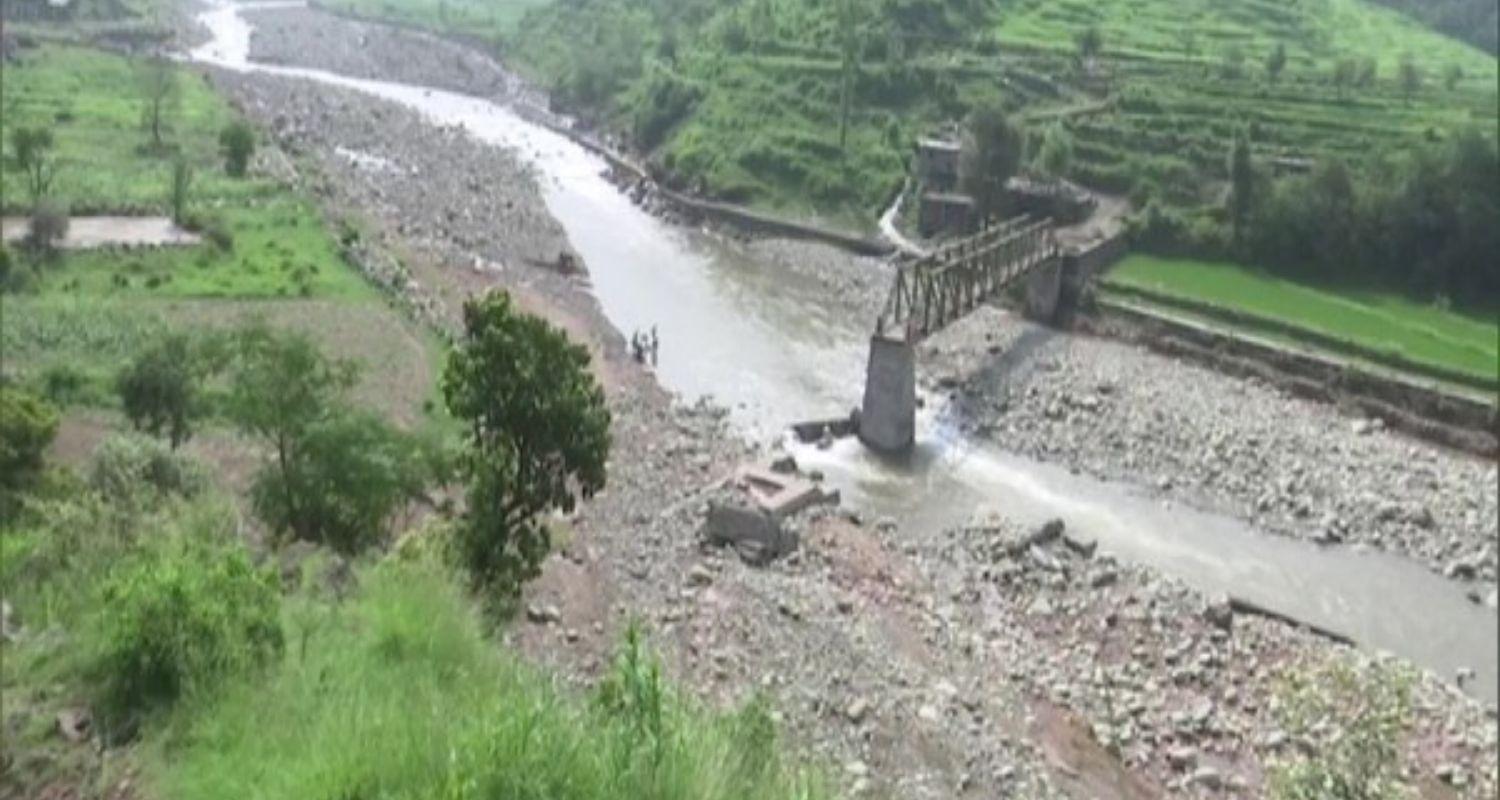
The sudden rise in water levels triggered panic among residents and tourists, while a bridge suffered extensive damage in the ensuing flash floods.
Reports also emerged of a third cloudburst in Shopian's Badrehama village, where floodwaters entered residential areas and inundated nearby localities. The number of cloudbursts reported by locals this year has now crossed 19, though some incidents in remote areas may have gone unrecorded.
The changing weather pattern has raised concerns among experts, who believe that human activity and environmental degradation may be contributing to climate-related changes in the region.
Experts point out that Jammu and Kashmir's fragile and climate-sensitive topography makes it particularly vulnerable, and large-scale developmental activities could further influence local weather patterns.
Meanwhile, the Meteorological Centre Srinagar has forecast intermittent rain and thundershowers across the region until August 7 and advised people to stay away from rivers, streams and landslide-prone areas.
By Waseem Ahmad Ganie

 Follow us