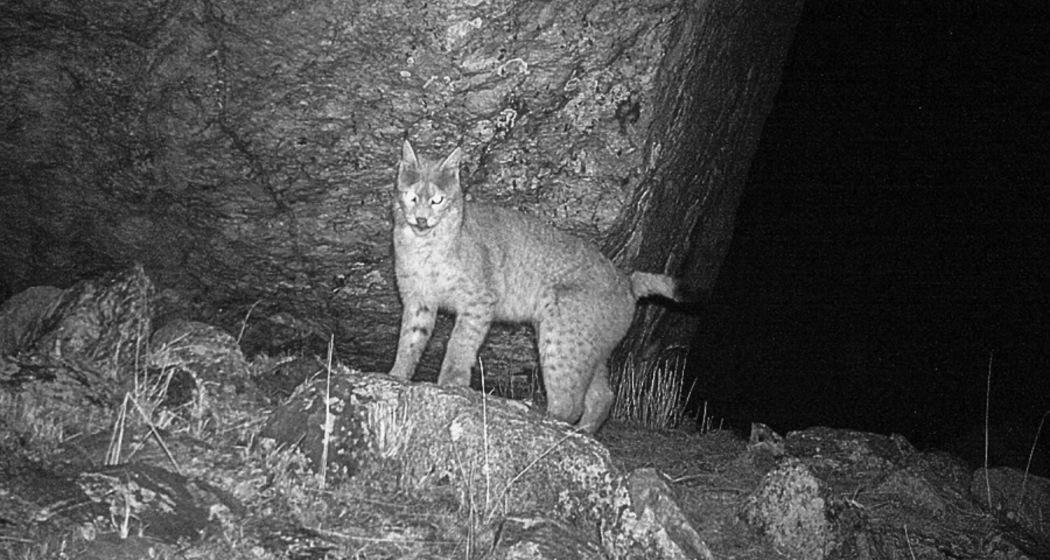
The elusive Eurasian lynx has been photographed in Sikkim for the first time, marking a significant milestone for wildlife conservation and making the Himalayan state only the second in the Eastern Himalayas to record the rare wild cat on camera.
The Sikkim Forest and Environment Department said on Wednesday that the photograph was captured by a camera trap in January this year on the Tso Lhamo plateau in Mangan district at an altitude of around 5,250 metres.
Officials said the image was recorded during a long-term snow leopard and rangeland monitoring programme being jointly implemented by the department and WWF-India.
The department described the discovery as a major breakthrough for conservation, noting that the only previous photographic evidence of the Eurasian lynx in the Eastern Himalayas came from neighbouring Arunachal Pradesh in 2025.
Also read: Vulnerable elusive Mishmi Takin filmed in Sikkim for first time
Chief Wildlife Warden D. Manjunatha said the finding signlled the ecological significance of Sikkim's high-altitude ecosystems.
"The photographic confirmation of the Eurasian lynx in the Tso Lhamo plateau is a proud moment for Sikkim. It highlights the ecological significance of our high-altitude rangelands and reinforces our commitment to protecting these fragile ecosystems," he said.
The monitoring programme focuses primarily on assessing snow leopard populations but also documents other high-altitude wildlife and evaluates the ecological health of the trans-Himalayan rangelands.
Conservationists say photographic records of the Eurasian lynx are particularly valuable because the species is highly elusive and is rarely encountered in the wild. The medium-sized wild cat is recognised by its distinctive tufted ears, short tail and thick coat, adaptations that enable it to survive in rugged, snow-covered mountain terrain.
The latest discovery adds to the growing evidence of Sikkim's rich biodiversity and highlights the importance of sustained wildlife monitoring in the fragile Himalayan ecosystem. Officials said such scientific documentation would strengthen conservation planning and improve understanding of the distribution of rare and threatened species in the region.

 Follow us