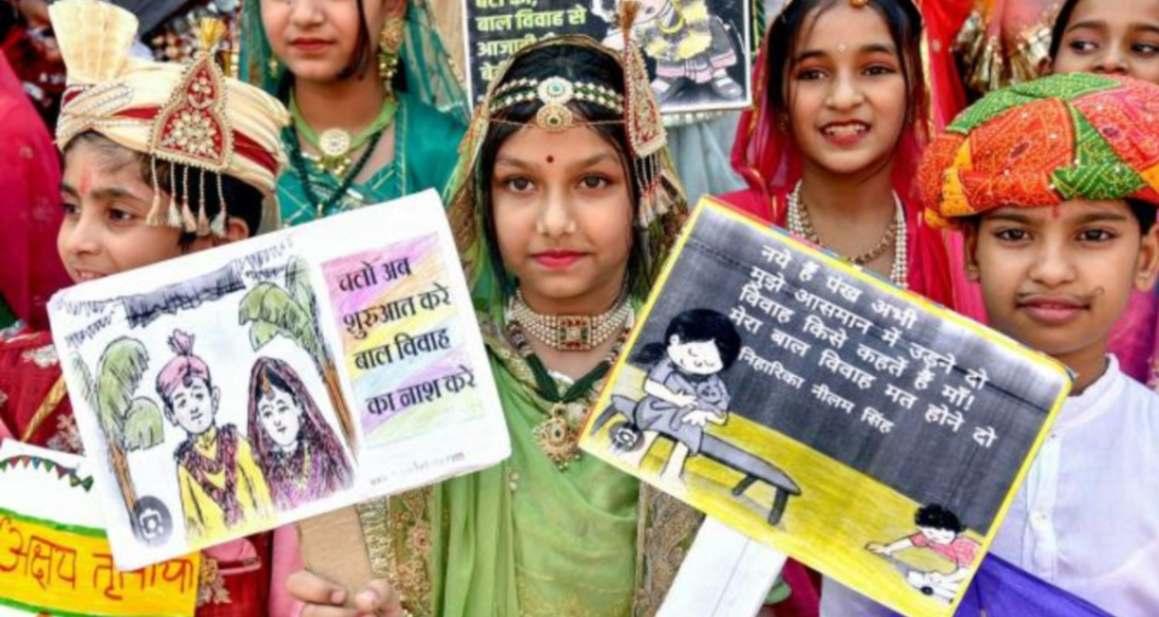
A recent caste survey commissioned by the Telangana government for 2024-25 has uncovered some startling statistics regarding child marriage and education in the state. According to the findings, roughly five per cent of girls under the age of 18—amounting to some 2.16 lakh individuals— are already married.
The Socio, Economic, Educational, Employment, Political and Caste (SEEEPC) Survey report highlighted a surprising disparity among different communities. While the state average for underage marriage sits at five per cent, the figure skyrocketed to 21.2 per cent among the Iyengar and Iyer communities, which is more than four times the state norm. Similarly, the Jain community reported a rate of 11 per cent, double the average.
In terms of demographics, the survey noted that the state's average female-to-male ratio is 0.98. Certain groups, including the Gond and Koya tribes, as well as the Mala and Madiga communities, buck the trend with a ratio higher than 1. Conversely, general category groups such as Rajus, Jains, and certain Muslim demographics fell significantly below the state average.
The data regarding education was equally sobering, revealing that nearly two-thirds of all women in Telangana have not progressed beyond secondary school. This educational deficit is most pronounced among ST Kolam women, 83 per cent of whom fail to advance past secondary education— a clear indicator of the barriers facing tribal girls.
On the other end of the spectrum, Brahmin women showed the highest levels of educational attainment, with only 36.2 per cent failing to move past secondary schooling. They were closely followed by women from the Raju, Jain, Komati, and Kamma communities, a trend the report attributes to their historically privileged socio-economic standing.
While most Scheduled Caste and Scheduled Tribe groups remain below the state average for education, the report pointed out internal variations. For example, the SC Mala community performs well compared to other communities, indicating that even though there is overall deprivation in some sense, there are groups that are progressing more than others. This study is expected to pave the way for more sophisticated solutions.
Also read: Murthys misunderstood caste survey: Siddaramaiah

 Follow us