In a major step toward clean mobility, the Government of Telangana is preparing to launch an ambitious initiative to convert auto-rickshaws into electric vehicles across the Telangana Core Urban Region.
Under the proposed plan, around 1.26 lakh auto-rickshaws currently running on petrol, diesel, or gas will be retrofitted with electric propulsion kits, significantly reducing vehicular emissions and promoting eco-friendly urban transport.
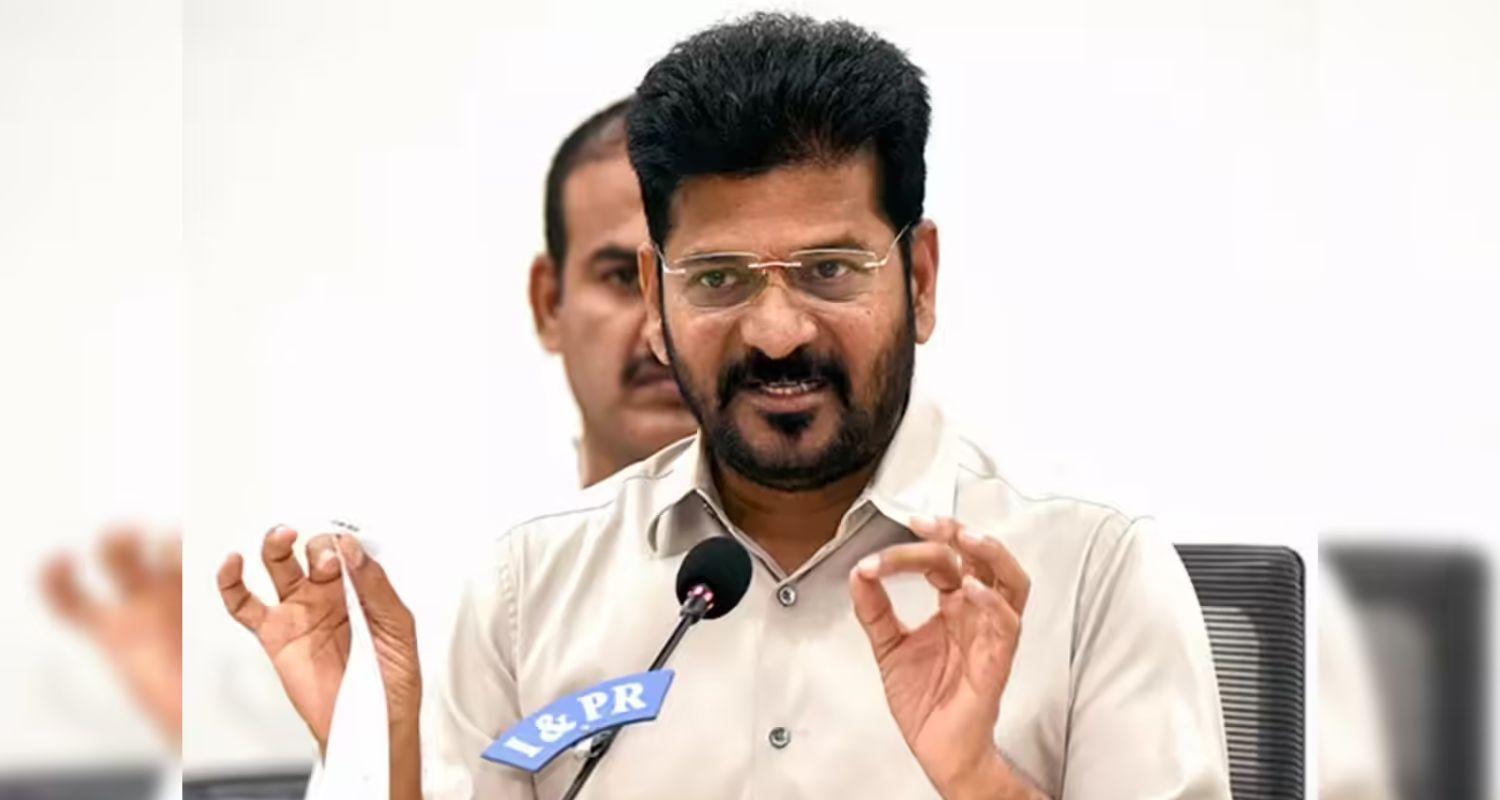
The initiative follows directions from Chief Minister A Revanth Reddy, who has asked officials to accelerate measures aimed at cutting carbon emissions in Hyderabad.
Officials said the policy framework for the conversion is currently being drafted under the supervision of Transport Commissioner Ilambarthi and Special Chief Secretary Vikas Raj. The policy will enable auto owners to retrofit their vehicles with certified electric kits.
A high-level meeting at the State Secretariat on March 16 is expected to finalise the retrofitting framework. Senior officials from several departments — including Finance, Municipal Administration, Energy, Tribal Welfare, BC Welfare, Social Welfare, Minority Welfare, Planning, and Industries — have been invited to participate in the deliberations.
During a review meeting held on March 11 with the Roads & Buildings and Transport departments, the Chief Minister stressed that auto drivers should not face financial hardship while shifting to electric vehicles. “We want to encourage a clean transport system without putting any financial pressure on auto drivers,” the Chief Minister reportedly told officials.
To support the transition, the state government is planning to allocate Rs 200 crore in the 2026–27 budget to provide 100 per cent financial assistance for installing electric kits in existing autos. The subsidy will be routed through various welfare departments so that drivers do not have to bear any conversion costs.
According to estimates from the Transport Department, the retrofitting cost ranges from Rs 1.20 lakh to Rs 2 lakh, depending on the battery configuration. A swappable battery system is expected to cost around Rs 1.20 lakh, while a fixed battery setup could cost up to Rs 2 lakh.
Officials believe the large-scale transition to electric autos will help significantly reduce both air pollution and noise pollution across the city. Electric vehicles are also expected to lower long-term maintenance costs for drivers.
As part of its broader green mobility roadmap, the state government has already announced that in the coming years only electric buses operated by the Telangana State Road Transport Corporation will be allowed to operate within the ORR limits of Hyderabad. The proposed auto conversion programme is expected to become one of the largest electric vehicle transition initiatives for para-transit vehicles in the country.
Also read: Indian women increasingly taking to cricket

 Follow us