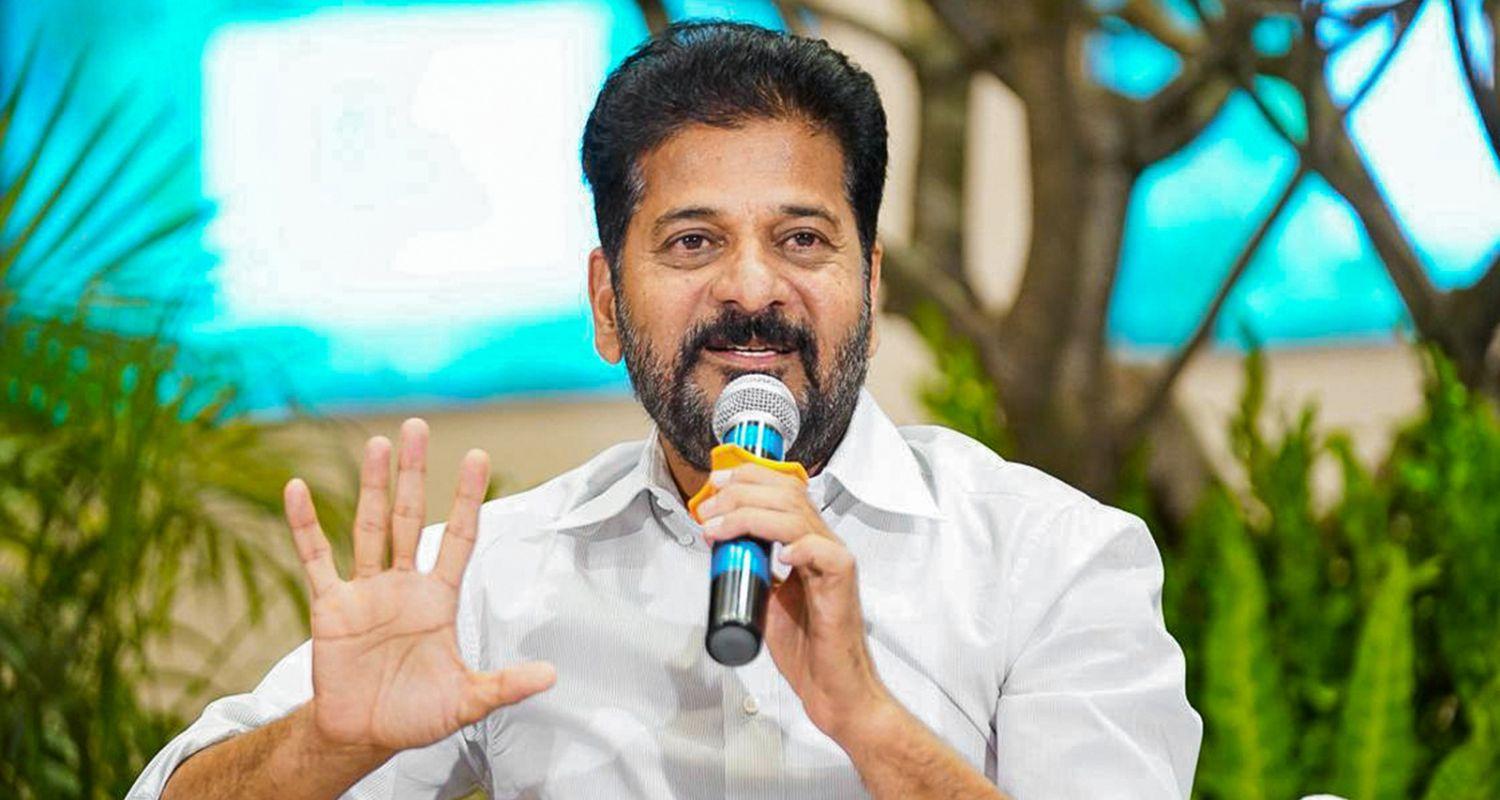
Telangana Chief Minister A Revanth Reddy has advocated for lowering the minimum age required to contest Assembly and Parliament elections from 25 to 21 years. He argued that young adults who are already eligible to serve as civil servants and hold elected office in local government should also be permitted to stand as Members of the Legislative Assembly (MLAs) and Members of Parliament (MPs).
Speaking to the media, Reddy explained that when the voting age was originally set at 21, the threshold to stand for election was 25. Given that the voting age was subsequently lowered to 18, he believes the minimum age to run for higher public office should similarly be reduced to 21. He highlighted that young people aged 21 can already become IAS and IPS officers, take on civil service roles, or serve as mayors and representatives in both rural and urban local bodies. In light of these existing responsibilities, he questioned why they should be barred from national and state legislatures.
Reddy revealed his intention to table a resolution on the matter in the Telangana Legislative Assembly in August. He views this as an initial step towards raising the topic in both the Lok Sabha and the Rajya Sabha. Following the state assembly vote, he plans to consult senior Congress Party figures, including Mallikarjun Kharge and Rahul Gandhi, as well as leaders across the INDIA Alliance, to determine how best to progress the proposal nationally.
When asked about the delimitation and women's reservation bills, the Chief Minister noted that these issues had not yet been brought before the Business Advisory Committee (BAC) for formal debate. He stated that he would refrain from commenting until official papers are circulated and the matters are formally reviewed.
This proposal comes against the backdrop of significant legislative activity in Parliament earlier this year. On 17 April 2026, the Constitution (131st Amendment) Bill, 2026, alongside the Delimitation Bill, 2026, and the Union Territories Laws (Amendment) Bill, 2026, failed to pass in the Lok Sabha. During a specially convened session, the proposed measures secured 298 votes— falling short of the 352 votes required to achieve the necessary special majority among the 528 members present and voting. Had they passed, the bills would have expanded the Lok Sabha from 543 to 850 seats, enabled boundary redrawing based on the 2011 Census, and operationalised women's reservation under the Nari Shakti Vandan Adhiniyam, 2023.
Also read: KTR serves legal notice to Telangana CM asking for public apology

 Follow us