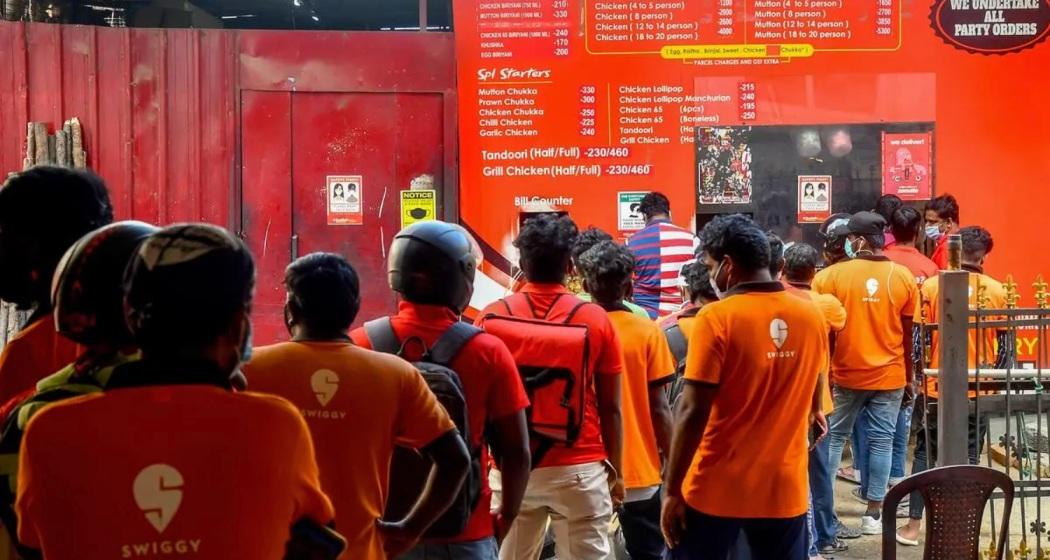
The Telangana government is preparing to introduce the Telangana Gig and Platform Workers (Registration, Social Security, and Welfare) Bill, 2025, during the upcoming Budget session of the state Assembly, marking a significant step towards formalising protections for gig and platform workers.
The proposed law aims to cover more than four lakh workers, including delivery partners, ride-hailing drivers, logistics personnel, and others in the platform economy, by establishing a comprehensive welfare framework. The draft received Cabinet approval in November 2025 following extensive consultations, public feedback, and revisions.
This move fulfils a key election promise by the Congress party in Telangana. Chief Minister A Revanth Reddy is expected to table the Bill, reflecting the government's commitment to regulating the gig economy and extending social security benefits to unorganised platform workers.
Sources indicate that Congress leader Rahul Gandhi recently reviewed the proposal during a meeting in New Delhi and urged the state to fast-track the legislation.
He reportedly emphasised Telangana's role in leading by example to ensure fair treatment, transparency, and welfare for gig workers nationwide.
The draft was first released for public consultation in April 2025 by the Labour Department, which received 67 suggestions, many incorporated before final Cabinet clearance on November 18, 2025. Earlier intentions to promulgate it via ordinance were shelved due to procedural considerations, shifting introduction to the 2026 Budget session.
Also read: Telangana communal unrest: BJP MLA arrested, Chief house-arrested
Labour Minister Vivek Venkatswamy described the Bill as addressing core issues like social security, fair pay, algorithmic transparency, and safe working conditions. He positioned Telangana as aiming to set a national benchmark in gig economy regulation.
Key provisions include:
- Mandatory registration: All gig and platform workers must register for unique identification numbers, creating a statewide database. Aggregators are required to facilitate this process.
- Welfare Board: A tripartite Telangana Gig and Platform Workers Welfare Board, with representatives from government, worker unions, and aggregators, to oversee schemes, fund management, and dispute resolution.
- Funding mechanism: A cess of 1-2 per cent on transactions by aggregator platforms, supplemented by government grants and company contributions, to build a sustainable Welfare Fund.
- Core rights: Eight entitlements including health insurance, accident coverage, pensions, maternity benefits, fair wages, income transparency, safe conditions, and reasonable hours.
- Algorithmic accountability: Platforms must disclose task allocation, rating systems, and performance metrics, providing at least seven days' written notice before deactivation (except for serious misconduct).
- Grievance redressal: Aggregators with over 100 workers must form Internal Dispute Resolution Committees; the government will appoint Grievance Redressal Officers.
Non-compliance could lead to fines and operational restrictions. The Bill covers a broad spectrum of platform-based roles, from food delivery to cab services, warehouse operations, and home-based gigs.
If passed, Telangana would join a small group of states (following Rajasthan's 2023 Act) in enacting dedicated legislation for gig workers, potentially influencing national policy under the Code on Social Security, 2020.
The initiative reflects growing recognition of the gig economy's scale and vulnerabilities, aiming to balance innovation with worker protections amid rapid platform growth.

 Follow us