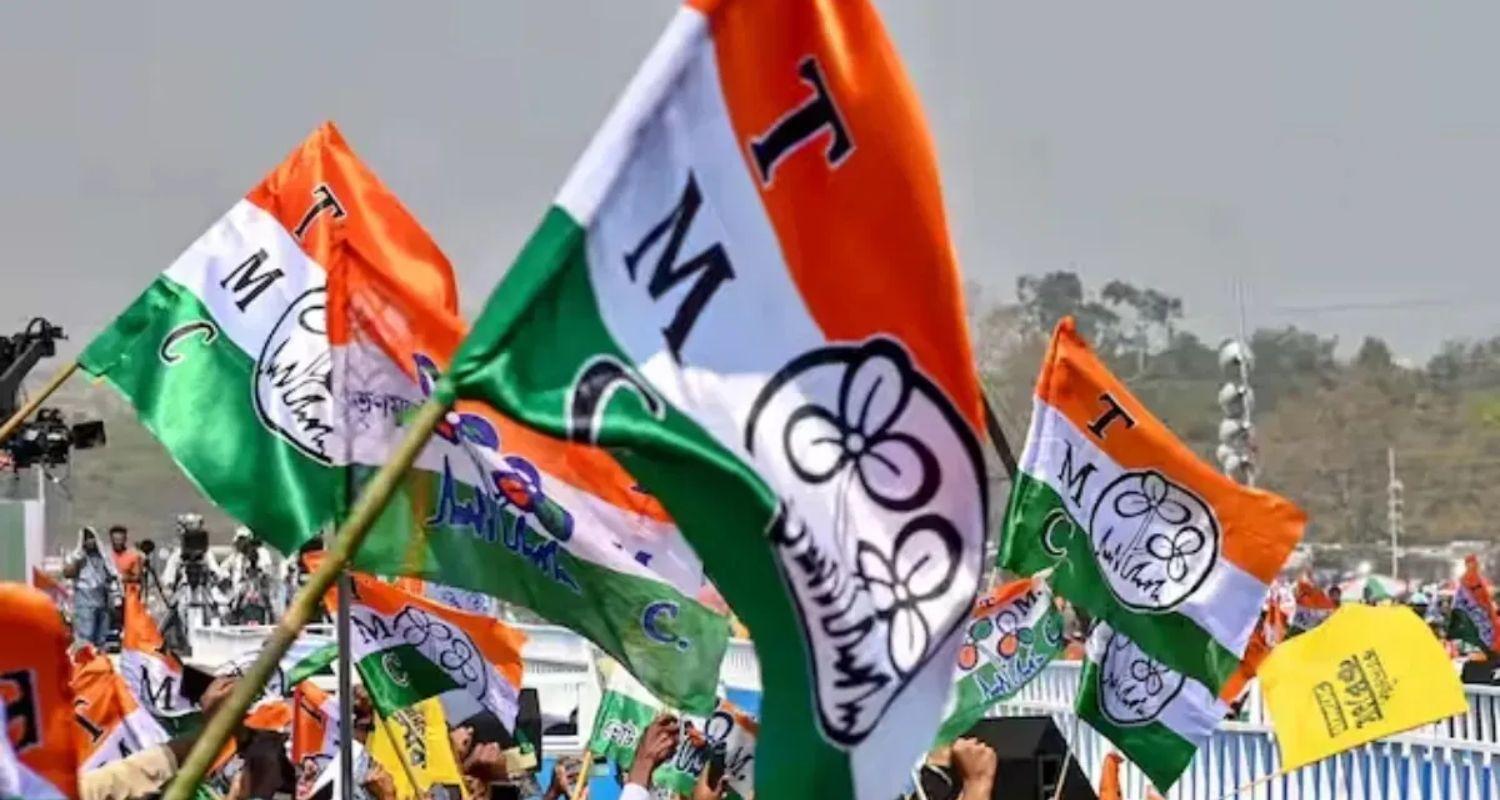
Attendance registers of the West Bengal Assembly may bear regular signatures, but a more uncomfortable question is now echoing within the ruling Trinamool Congress (TMC): how many legislators have actually raised the people’s concerns on the floor of the House?
That question has triggered an internal review within the party, following the filing of a Right to Information (RTI) application with the Assembly Secretariat. The RTI seeks detailed data on the performance of legislators— specifically, the number of days each MLA attended Assembly sessions, the questions they raised, and their participation in debates and discussions.
Preliminary findings, according to party sources, are unsettling. More than 50 TMC MLAs have allegedly not asked a single question or participated in any substantive discussion in the Assembly over the last five years. Despite their physical presence, these legislators are said to have remained largely mute spectators during proceedings meant to voice public grievances and shape policy.
Significantly, the list is said to include not only lesser-known legislators but also prominent faces, including “celebrity” MLAs who frequently appear in television debates and public forums but have rarely, if ever, spoken inside the Assembly. The contrast between media visibility and legislative silence has not gone unnoticed within the party’s top leadership.
The timing of the review is politically charged. Formal preparations for the 2026 West Bengal Assembly elections are expected to begin from January, and the Special Intensive Revision (SIR) process is already underway across the state. Chief Minister and TMC supremo Mamata Banerjee has assigned MLAs and elected representatives the responsibility of overseeing this grassroots exercise, making their engagement with public issues crucial.
At a major organisational meeting held at Netaji Indoor Stadium on Monday, Mamata delivered a blunt message to party legislators. Stressing that this was “not the time for pleasure trips,” she urged them to stay firmly connected with the people. Her tongue-in-cheek remark—“If we win in 2026, there will be a picnic”—was laced with a clear warning: performance, not presence, will matter.
Party insiders say the ongoing evaluation is being conducted using multiple parameters, including Assembly attendance, participation in debates on key bills, and whether MLAs have raised issues of public importance of their constituencies. The objective, sources indicate, is to draw a clear line between active legislators and those who have failed to justify their mandate.
However, the report is not entirely damning. It also highlights positive examples, including that of a film star-turned-MLA who won a by-election and, within a relatively short span, actively raised questions and took part in Assembly discussions. Such cases, party leaders say, demonstrate that legislative engagement is a matter of intent rather than tenure.
This is not the first time Mamata has expressed displeasure over silent legislators. Ahead of nearly every Assembly session, she is known to instruct her party MLAs that merely signing the attendance register is meaningless. “The Assembly is not a formality; it is a platform to speak for the people,” she has repeatedly emphasised.
"Despite these directives, a separate list is now being compiled of those who have remained largely inactive throughout the five-year term. The review has raised questions about accountability, representation, and ticket distribution in the next elections,” said a senior TMC leader.
With the current Assembly’s tenure nearing its end, an uncomfortable question looms large within the ruling party— after five years of near silence, how much longer can such legislators continue to occupy the benches without speaking for the people they represent?
Also read: Actress Parno Mitra quits BJP, joins TMC ahead of 2026 polls



 Follow us