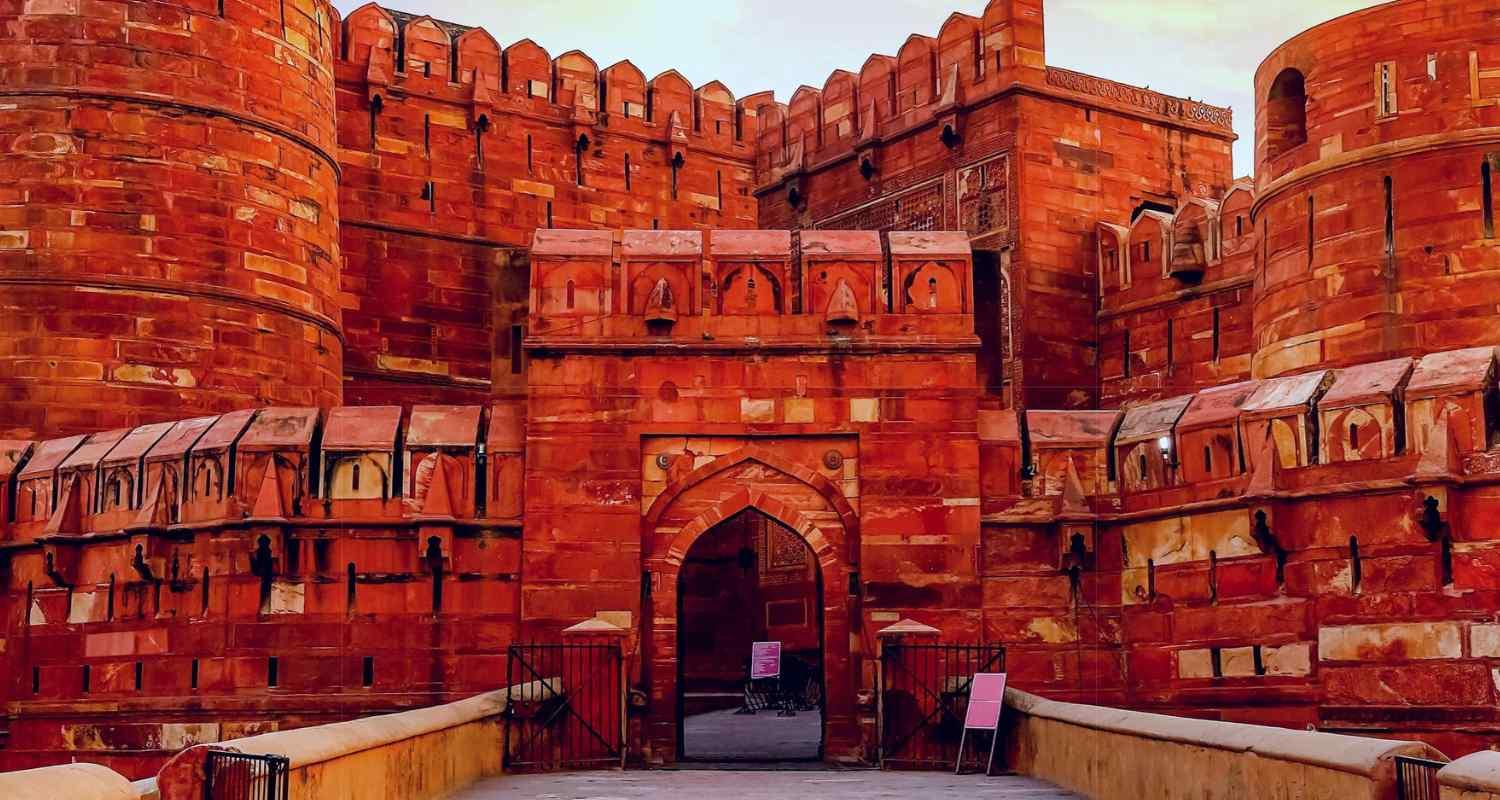
Uttar Pradesh government will observe Vijay Diwas (Victory Day) on June 12 at Agra Fort to commemorate the 265th anniversary of Jat ruler Maharaja Surajmal’s historic capture of the Mughal stronghold in 1761. Maharaja Surajmal, the ruler of Bharatpur, seized control of the fort after a 40-day siege, an event widely regarded by historians as a symbol of the declining power of the Mughal Empire and the rise of regional Hindu rulers.
The commemoration will take place on the lawns in front of Jahangiri Mahal within the fort complex. Uttar Pradesh Tourism Minister Jaiveer Singh will attend the event as the chief guest. The Archaeological Survey of India (ASI), which oversees the protected monument, has granted permission for approximately 700 attendees.
Cultural performances highlighting Surajmal’s valour and the legacy of the Jat community will be a central feature of the programme.
A similar event had been planned last year, with permission secured from the ASI. However, it was cancelled following the Air India plane crash in Ahmedabad June 2025 on June 12.
Highlighting the historical significance of Surajmal’s conquest, historian Rajkishore Raje described it as a turning point in Indian history. “The capture of Agra Fort by Maharaja Surajmal marked the first time a non-Muslim ruler seized this iconic Mughal bastion, signalling the decline of Mughal dominance and the rise of regional powers like the Jats,” he said.
Raje further emphasised that Surajmal’s success was rooted not only in military strength but also in his mastery of traditional statecraft strategies—Saam, Daam, Dand, and Bhed—combining persuasion, inducement, force, and division.
Under Surajmal’s rule, the Jat kingdom secured immense wealth from the fort, including an estimated 50 lakh rupees, ammunition, and valuable artefacts, significantly enhancing its power and prestige. The Jat rulers also constructed structures such as Raja Ratan Singh’s Haveli near the Diwan-e-Aam within the fort complex, though it remains closed to the public today.
Born on February 13, 1707, in Bharatpur, Maharaja Surajmal was known for his towering stature and exceptional swordsmanship. He is believed to have fought around 80 battles and died in 1763 while defending Delhi.
Following his death, Mughal authority resurged. Emperor Shah Alam II dispatched Mirza Najaf Khan, who successfully recaptured Agra Fort on February 18, 1774, ending nearly 13 years of Jat control. The upcoming Vijay Diwas event aims to honour Surajmal’s legacy and revisit a significant chapter in India’s regional and political history.

 Follow us