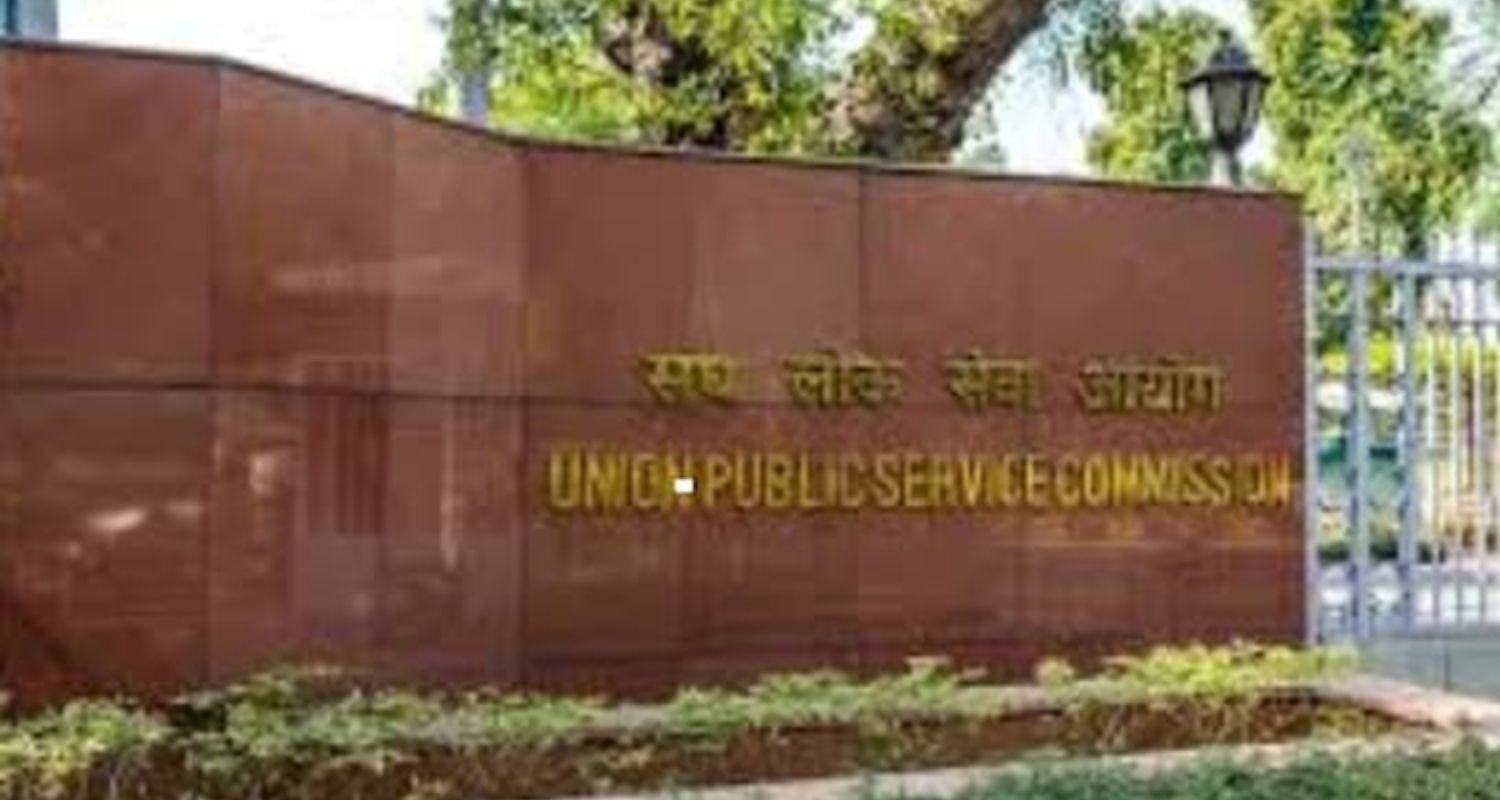
An administrative and legal impasse has emerged over the appointment of the next Director General of Police (DGP) of West Bengal, with the Union Public Service Commission (UPSC) refusing to accept the proposal submitted by the state government. The development comes three months ahead of the upcoming Assembly elections.
In a letter dated December 31, 2025, addressed to the Chief Secretary of West Bengal, Nandini Chakravorty, the UPSC said that the state government had caused an inordinate and unexplained delay in initiating the process for appointing the DGP, in violation of clear directives laid down by the Supreme Court. The letter was signed by Nand Kishore Kumar, Director of the All India Services (AIS) branch of the UPSC.
Citing the delay as legally untenable, the Commission returned the state’s proposal in its entirety and advised the government to seek appropriate directions from the Supreme Court to resolve the issue.
At the heart of the dispute lies the Supreme Court’s judgment, which mandates timelines and procedures for appointing the head of the police force in each state. The UPSC letter pointed out that the post of Head of Police Force (DGP) in West Bengal was deemed vacant with effect from December 28, 2023. Under Supreme Court guidelines, the state government was required to forward a panel of eligible officers to the UPSC at least three months prior to the retirement of the incumbent DGP.
Quoting the apex court’s order, the letter reiterated: “All states shall send their proposals in anticipation of the vacancies to the Union Public Service Commission well in time, at least three months prior to the date of retirement of the incumbent on the post of Director General of Police.”
By that calculation, the West Bengal government should have submitted its proposal by September 2023. However, the UPSC noted with evident displeasure that the proposal for constituting a panel of officers was sent only in July 2025—nearly one and a half years after the stipulated deadline.
Despite the delay, the UPSC convened a meeting of its Empanelment Committee on October 30, 2025. However, the Commission acknowledged that the belated submission led to serious differences of opinion among committee members, particularly over the determination of the actual date of vacancy and the legal sustainability of proceeding with the panel. In view of the complexity of the issue, the UPSC sought the opinion of the Attorney General of India.
The Attorney General’s assessment, quoted extensively in the UPSC letter, proved deeply unfavourable to the state government. He observed that the delay in forwarding the names for empanelment was “excessive” and that there was no legal provision empowering the UPSC to condone such an inordinate lapse and proceed as though no irregularity had occurred. He further cautioned that accepting the proposal could “create serious anomalies,” as delayed reporting of vacancies might deprive eligible officers of their legitimate right to be considered for empanelment.
The Attorney General also noted that if the state government had encountered difficulties, it ought to have approached the judiciary at an earlier stage instead of allowing the matter to drift.
Relying on this unequivocal legal opinion, the UPSC communicated its final decision in the concluding portion of the letter, stating: “In view of the above, the proposal of the State Government for preparation of a panel for appointment to the post of DGP (HoPF), West Bengal, is returned with an advice to seek appropriate directions from the Hon’ble Supreme Court of India in the matter.”
The deadlock over the appointment of the state’s top police officer, particularly on the eve of Assembly elections, is being viewed as a significant administrative and legal setback for the West Bengal government. How the state justifies its prolonged delay and navigates the Supreme Court’s scrutiny is now expected to have far-reaching implications for both governance and law enforcement in the state.
Also read: BSF enables daughter’s last farewell to father at border

 Follow us