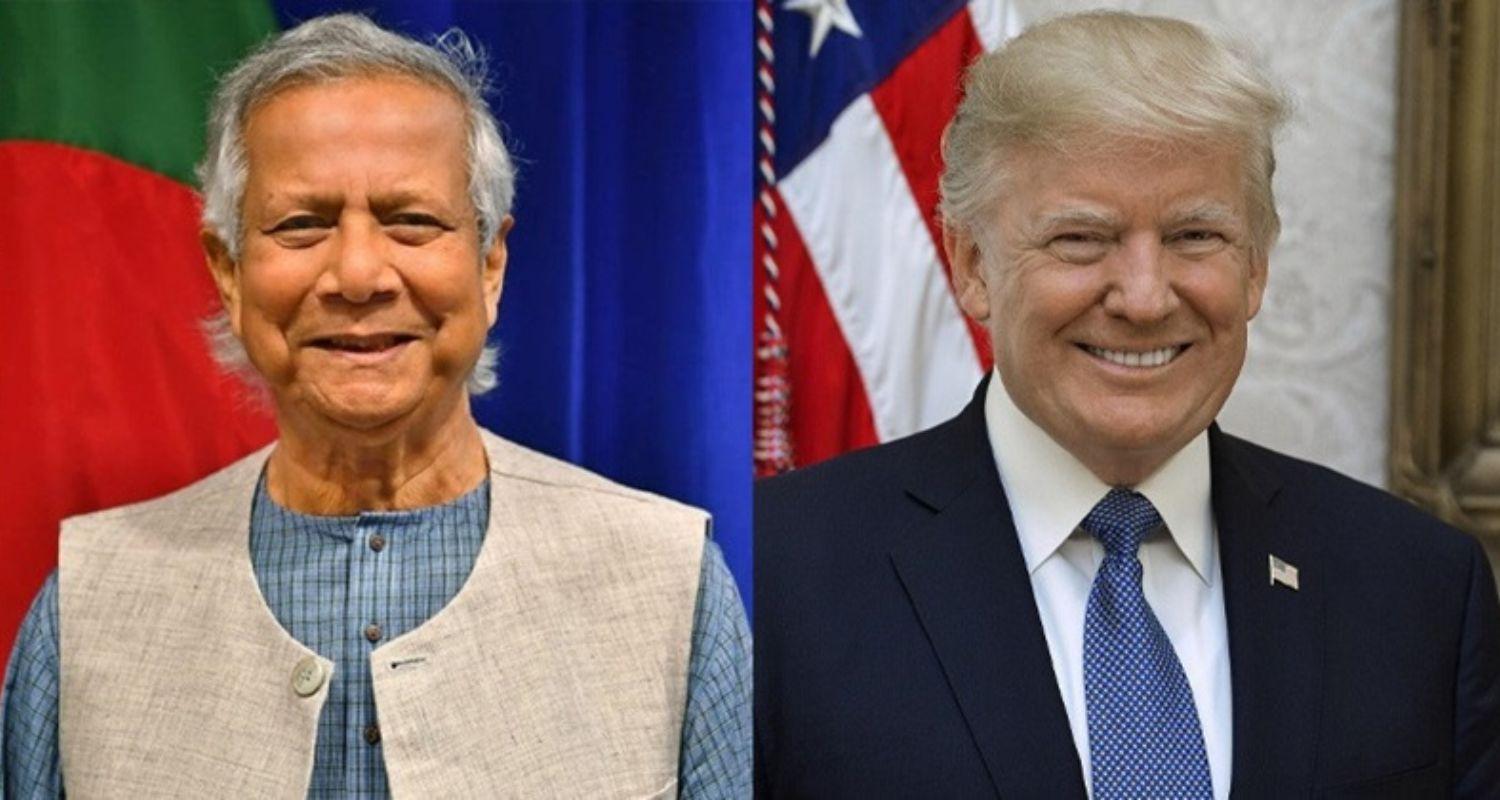
Bangladesh seems to have found a major advantage in its trade agreements with the US, as interim chief adviser Muhammad Yunus declared that the new agreement had reduced the rate of reciprocal tariffs it imposes on imports to just 19 per cent. Significantly, the arrangement also paves the way for the export of duty-free textiles and apparel, depending on whether they use the US as the source of the materials.
Yunus described the new arrangement as “vital” to securing jobs and strengthening Bangladesh’s position in the global supply chain, which had been the result of intense negotiations carried out during the last nine months, eventually reducing the originally proposed tariffs of 37 per cent by stages.
The agreement, signed by Commerce Adviser Shaikh Bashir Uddin, National Security Adviser Khalilur Rahman, and US Trade Representative Ambassador Jamieson Greer, is timely as Bangladesh's backbone readymade garments sector, accounting for over 80 percent of export earnings, involves around four million employees of the industry.
Industry officials think that this low rate of duty would help Bangladesh companies compete in the American market, even as they face challenges such as increasing production costs, rising energy rates, and strict compliance requirements.
The news comes on the heels of an identical trade agreement between the US and India, just before Bangladesh faces a series of elections on Thursday amidst an already charged political environment following the resignation of former prime minister Sheikh Hasina.
Also read: Bangladesh Hindu leader Ramesh Chandra Sen dies in custody

 Follow us