A coordination meeting was held to ensure smooth movement of Kanwar pilgrims travelling to Neelkanth, both on foot and in vehicles. The Kanwar Yatra will be held from July 30 to August 11.
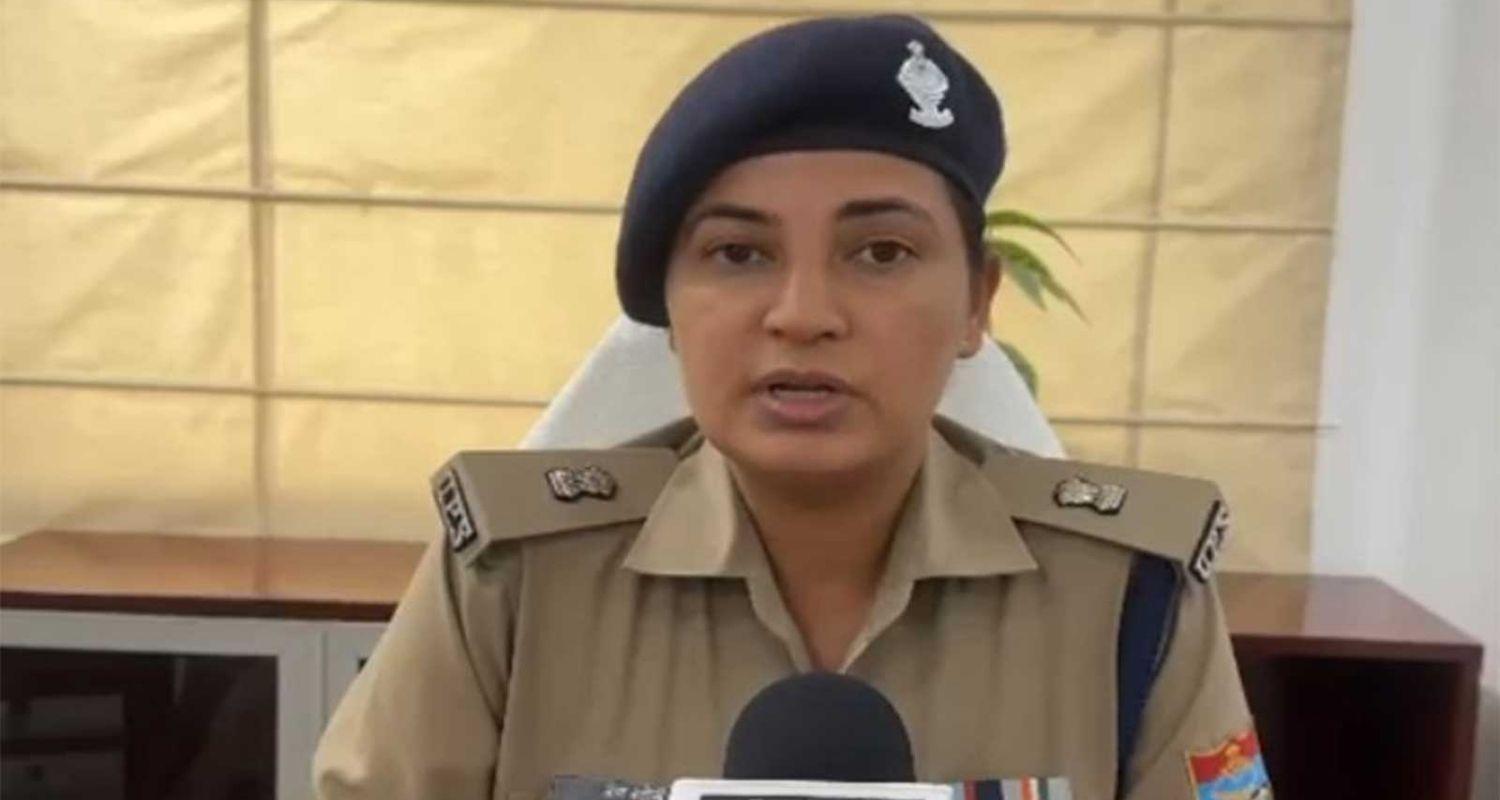
Dehradun Rural SP Jai Baluni said the meeting discussed coordination between different agencies in Haridwar, Rishikesh, Muni Ki Reti and Laxman Jhula. The aim is to ensure that pilgrims face no difficulties during their journey to Neelkanth.
She said officials discussed parking arrangements, traffic plans and key duty points. The IDPL area in Muni Ki Reti was identified as one of the main parking locations. Officials also discussed ways to manage traffic and ensure better coordination between different areas.
Baluni said the return journey for pilgrims will be managed through the barrage from Laxman Jhula and then via Chila.
For pilgrims travelling towards Neelkanth, IDPL will be the main parking area. Those arriving in larger vehicles will park there and continue their journey on foot through the barrage towards Neelkanth. Pilgrims travelling in smaller vehicles will take the Natraj Bypass, pass through Muni Ki Reti and continue towards Garud Chatti.
The return route will be through the barrage from Laxman Jhula and then Chila. However, if the Bin River rises due to flooding, or if vehicles are stopped after 6 pm, traffic will be diverted through Shampur towards Haridwar via the barrage, the SP said.
The meeting also covered parking facilities, traffic management and important duty points to handle the expected rush during the yatra.
Baluni said Uttarakhand welcomes Kanwar pilgrims every year and preparations are being made to ensure a safe and smooth pilgrimage this year as well. She appealed to devotees to maintain a positive spirit, follow the arrangements and avoid any dispute or disturbance during their journey.
The Kanwar Yatra is an annual pilgrimage undertaken by devotees of Lord Shiva, known as Kanwariyas. They travel to holy places such as Haridwar, Gaumukh and Gangotri in Uttarakhand to collect sacred Ganga water. The pilgrims carry the water in containers called kanwars and later offer it to Lord Shiva during the Jalabhishek ritual at temples.

 Follow us