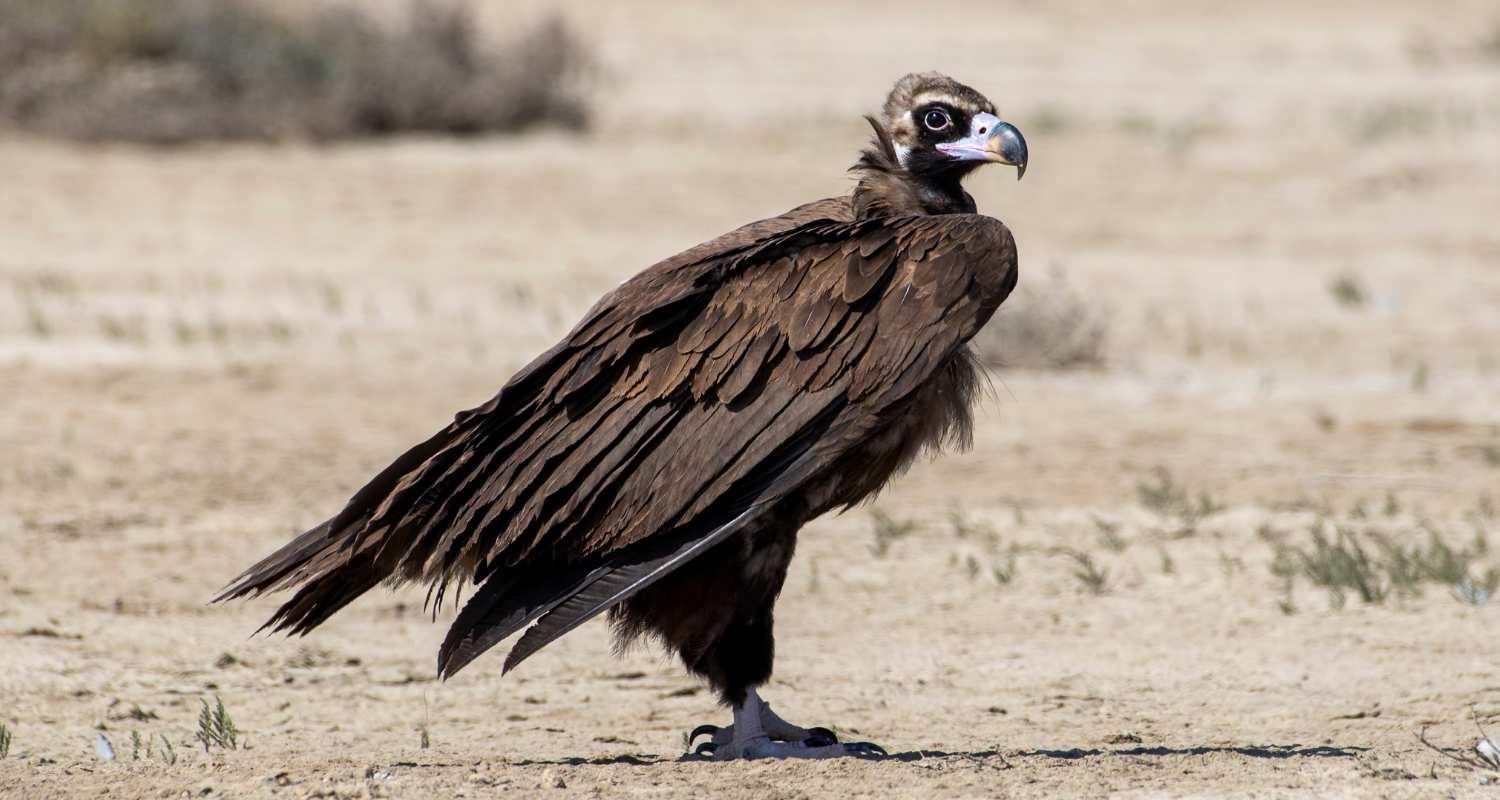
Madhya Pradesh has witnessed a remarkable turnaround in its vulture population over the past decade. According to the Madhya Pradesh Forest Department, the number of vultures in the state has doubled from around 7,000 in 2016 to nearly 14,000 today, as preparations begin for this year’s vulture census.
The state conducted its first dedicated vulture census ten years ago, recording approximately 7,000 birds. The latest estimates indicate a steady rise, positioning Madhya Pradesh as a leading state in vulture conservation in India.
Renowned vulture expert Dilsher Khan, who has been studying the birds for over 25 years, is currently training forest officials and staff to conduct the upcoming census. A member of the Vulture Committee since 2007, Khan attributes the growth in population to the state’s favourable geography and agrarian economy.
“Madhya Pradesh has dense forests, mountains, and steep cliffs that provide ideal nesting habitats,” Khan said.
“Being an agriculture-dominated state with a large cattle population also ensures a steady food supply.”
Khan began studying vultures in 1990, when the species was facing a catastrophic decline worldwide. Once numbering nearly 50 million in India, vulture populations plummeted to double digits in the 1990s due to the widespread use of the veterinary drug diclofenac. The medicine, administered to cattle, proved fatal to vultures feeding on treated carcasses.
Khan was among those who campaigned for a ban on diclofenac, a move widely credited with helping stabilise vulture numbers across the country.
He believes Madhya Pradesh now ranks first in India in terms of vulture population due to heightened awareness among forest officials, wildlife enthusiasts, and volunteers. The state is also known for its strong conservation efforts for species such as tigers and other wildlife.
According to Khan, the state’s geography and food availability are key drivers behind the population rise. Numerous cow shelters and the common practice of disposing of cattle carcasses near forest areas provide ample sustenance for the scavengers. The favourable natural environment has also attracted migratory vultures.
Khan points to another fascinating trait of vultures: their ability to “read” weather patterns. He recalls that during the previous breeding season, vultures laid eggs nearly a month earlier than usual — a sign, he believes, of a shorter winter. The prediction proved accurate, as winter lasted about a month less than normal.
Typically, vultures lay eggs in December after pairing in November–December. Chicks hatch in approximately 55 days, begin flying within three to four months, and reach breeding maturity by the age of four.
Madhya Pradesh is home to four resident species — the Long-billed, Oriental White-backed, Egyptian and Red-headed vultures — while migratory species such as the Slender-billed, Himalayan, Cinereous and Eurasian Griffon arrive during winter.
Of the 23 vulture species found worldwide, nine occur in India. Madhya Pradesh records seven of them, including four resident and three migratory species, underlining the state’s ecological importance.
Khan emphasised that understanding vultures is essential to understanding nature itself. “If people realise the vital role vultures play in maintaining ecological balance and protecting human health, they will value conservation more deeply,” he said.
As the state prepares for its next census, conservationists hope the upward trend in vulture numbers will continue, strengthening Madhya Pradesh’s position as a key stronghold for these crucial scavengers.

 Follow us