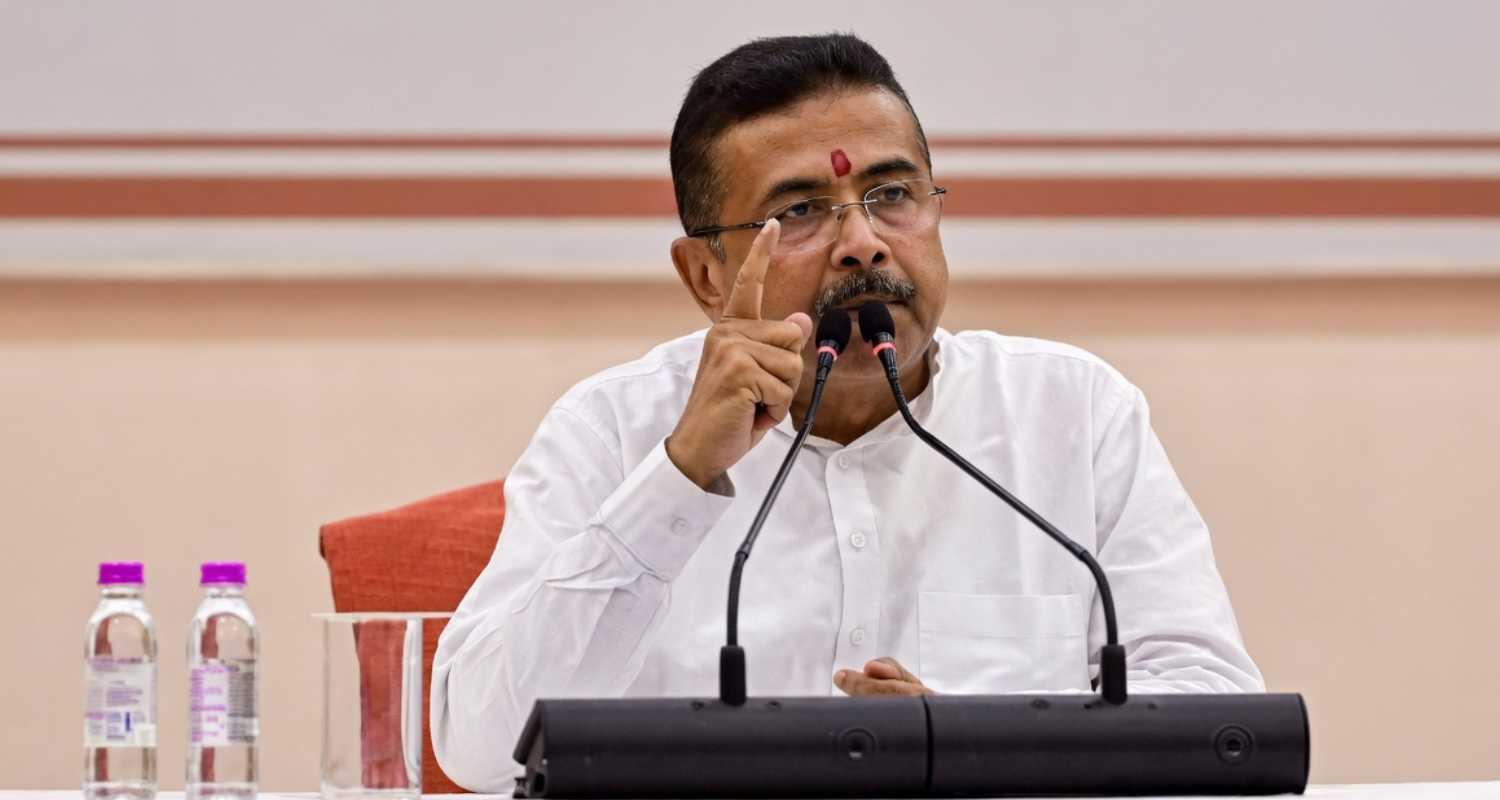
After more than two weeks of speculation, the BJP government in West Bengal is set to expand its cabinet, with Chief Minister Suvendu Adhikari expected to induct several new ministers following clearance from the party’s central leadership.
Adhikari was sworn in as Chief Minister on May 9 after the BJP secured a commanding majority of 208 seats in the Assembly. At the initial swearing-in ceremony held at the Brigade Parade Ground, only five ministers — Dilip Ghosh, Agnimitra Paul, Ashok Kirtania, Khudiram Tudu, and Nisith Pramanik — took oath alongside him, leaving several cabinet positions vacant.
The delay in expanding the cabinet had triggered considerable political speculation. However, party insiders indicated that the Chief Minister chose to prioritise governance over immediate expansion, focusing first on administrative groundwork and key policy decisions.
Within the first fortnight of assuming office, the government initiated steps for implementing major welfare and policy measures, including the ‘Annapurna Bhandar’ scheme, rollout of the Ayushman Bharat programme, revival of the 100-day work scheme (MGNREGA), and measures aimed at ensuring transparency in government recruitment. The administration also signalled a strict stance on corruption and law and order from the outset.
With these initial priorities addressed, the leadership has now moved towards finalising the cabinet structure. According to senior BJP sources, several prominent leaders are under consideration for ministerial roles, including Tapas Roy, Swapan Dasgupta, Shankar Ghosh, and Sharadwat Mukherjee.
Sources added that the selection process has been guided by multiple factors, including maintaining regional balance across North and South Bengal, ensuring administrative competence, and taking into account the state’s social and caste dynamics.
The initial five ministers had been handling multiple portfolios each on an interim basis. With the cabinet expansion, responsibilities are expected to be redistributed, allowing for a more streamlined administrative structure. The Chief Minister is likely to retain direct control over key departments, including Home.
Party leaders acknowledged that the scale of the BJP’s electoral victory has also created internal challenges. With 208 MLAs, expectations for ministerial berths have risen significantly, making the selection process complex. Additionally, many newly elected legislators lack prior administrative experience, prompting the leadership to adopt a cautious and selective approach.
A senior state BJP leader said that while not all aspirants can be accommodated in the cabinet, opportunities remain within the party organisation and governance framework. The leadership, he said, has urged patience among party members, emphasising that contributions to the party will be recognised over time.
The cabinet expansion is expected to take place shortly, marking the next phase in the formation of the BJP’s first full-fledged government in West Bengal.

 Follow us