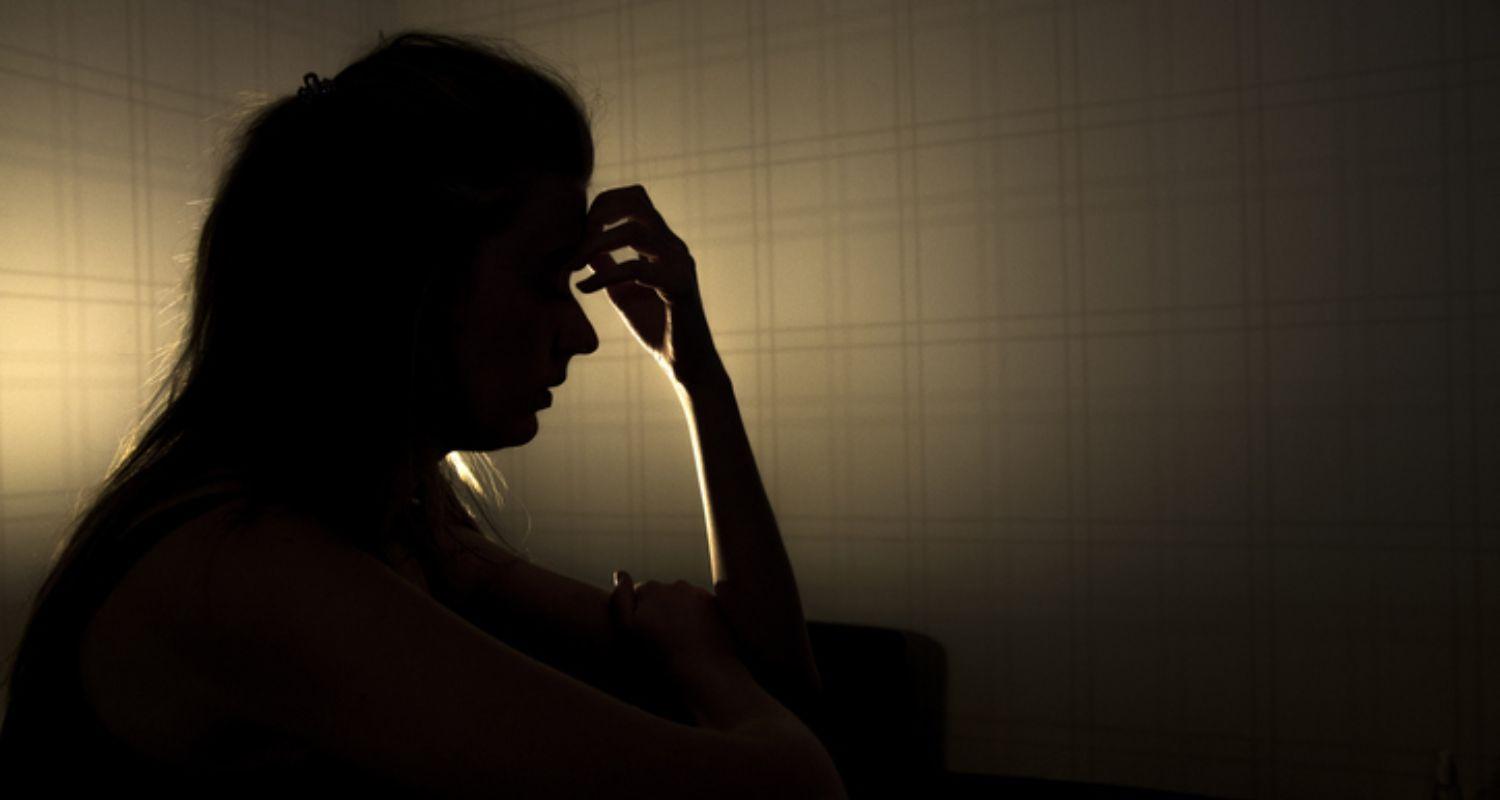
An 11-year-old girl was left to sit by the roadside for hours, clutching her deceased mother's body, after failing to arrange a transport due to financial constraints. And when it was arranged, she had to travel 40 km in a stormy afternoon to reach her village with rain-soaked body of her mother.
The tragic and deeply distressing incident unfolded on Friday in Nadia district, exposing the grim reality of poverty and gaps in the healthcare system. The heart wrenching event has sparked widespread serious concerns about the effectiveness of the state's welfare initiatives.
Zahera Bibi, a 45-year-old woman suffering from kidney ailments, had been traveling from Taranipur in Tehatta to Krishnanagar for treatment. Around 9 am, she fell severely ill on the bus. Before the vehicle could reach its destination, she lost consciousness. Instead of rushing her to the nearest hospital, the bus conductor dropped her off in front of Krishnanagar's municipal health center, leaving her helpless young daughter to seek aid alone.
Despite the girl's desperate pleas for help, no one stepped forward.
For an hour, she ran from person to person, trying to save her mother. When ASHA workers eventually arrived, they declared Zahera dead.
However, even after her passing, no official assistance was provided to transport the body. The child, already devastated by her loss, found herself burdened with yet another cruel reality — the lack of money to arrange an ambulance or a vahicle.
A local transporter demanded ₹2,000 for a vehicle, an amount the girl could not afford. As she sat in the rain, clinging to her mother’s lifeless body, the indifference of those around her painted a grim picture of society’s failure to uphold basic human dignity.
Finally, after almost two hours, some kind-hearted locals managed to arrange an mechanised van to take the girl and her mother’s body back to their village— 40 kilometers away.
This heartrending incident has raised pressing questions about the state’s healthcare infrastructure and social welfare mechanisms.
“Despite government initiatives like the 'Samavyathi' project, which aims to provide free hearse services for the underprivileged, why was this child forced to endure such unbearable suffering? Beyond politics, the incident is a painful reminder of the silent struggles of the impoverished, who often find themselves abandoned in times of crisis. The image of a grieving child sitting alone with her mother’s body should serve as a wake-up call—not just for policymakers but for society as a whole. It highlights the urgent need for accessible emergency medical care, a robust public transport policy for medical patients, and an effective mechanism to support those who cannot afford basic services in their darkest moments,” said CPI-M leader Sujan Chakrabarty..
For now, the little girl returned to her village, carrying an immeasurable burden of loss and trauma.

 Follow us