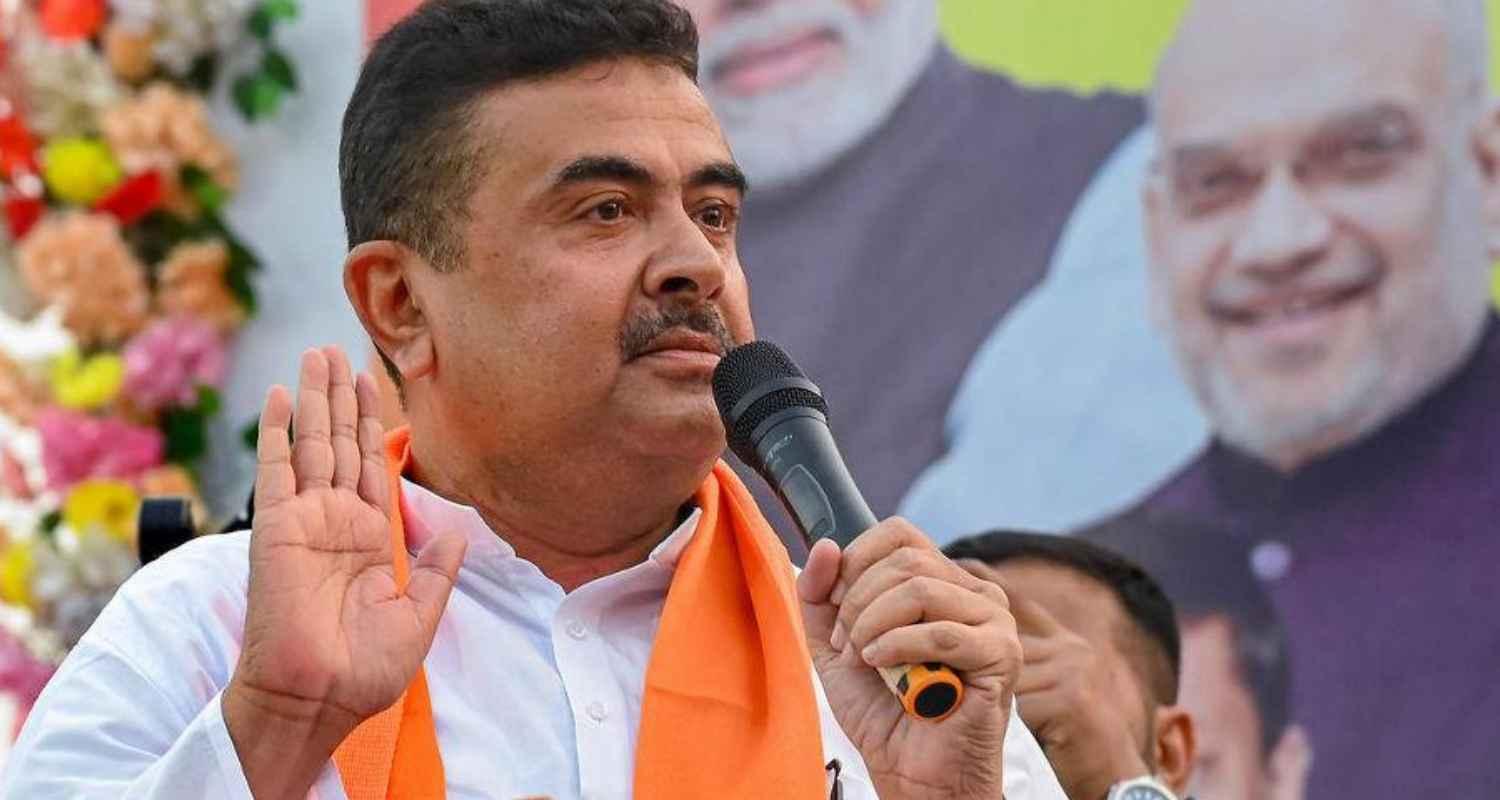
In a major policy shift within days of assuming office, the West Bengal government, led by Chief Minister Suvendu Adhikari, has slashed the state’s OBC reservation from 17 per cent to 7 per cent and decided to suspend OBC reservation benefits for Muslim communities, triggering a political and legal storm across the state.
The decision, cleared by the State Cabinet, marks one of the most significant changes to Bengal’s reservation structure in recent decades. The government has argued that the earlier expansion of OBC quotas under the Left Front and later the Trinamool Congress (TMC) government lacked a sound legal basis and was based on flawed surveys and classifications.
Under the previous system, OBC reservations in the state were divided into OBC-A and OBC-B categories, with several Muslim groups included in both lists. However, the new BJP-led administration has maintained that reservation cannot be granted on religious grounds and that the existing framework violates constitutional principles.
Government sources stated that the revised policy has been framed in accordance with judicial observations and constitutional provisions relating to reservation. The administration claimed the move was intended to restore benefits to “genuinely backward Hindu communities” outside the Scheduled Caste and Scheduled Tribe categories.
The decision also follows developments in the judiciary. Earlier, the Calcutta High Court had struck down the inclusion of several Muslim groups in the OBC list, calling the process unconstitutional. The matter subsequently reached the Supreme Court of India.
According to the new policy, only selected backward Hindu communities will now be eligible for the revised 7 per cent OBC reservation. The government has announced that the changes will come into immediate effect in government recruitment and admissions to higher educational institutions.
The BJP had repeatedly raised the issue of OBC reservation during its election campaign, alleging that the rights of backward communities had been compromised for “appeasement politics.” Opposition parties are likely to challenge the decision in court, setting the stage for a major legal and political confrontation in the coming weeks.

 Follow us