In one of the most significant policy decisions since the political transition in West Bengal, the state cabinet chaired by Chief Minister Suvendu Adhikari decided to discontinue assistance-oriented schemes for religious leaders, including imams, muezzins and purohits, from June this year, while simultaneously unveiling a series of welfare measures including ₹3,000 monthly assistance and free bus travel for women.
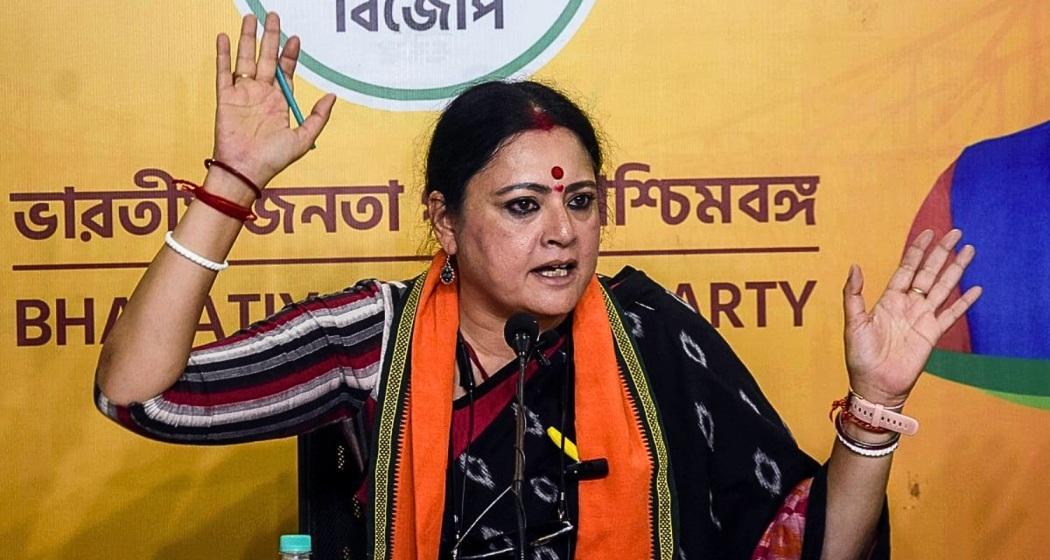
Addressing the media after the cabinet meeting at Nabanna, Women, Child and Social Welfare Minister Agnimitra Paul said the government had approved the discontinuation of schemes based on “religious categorisation”, adding that a formal notification would soon be issued.
The decision affects honorarium schemes run under the Departments of Information and Cultural Affairs and Minority Affairs and Madrasa Education. Under the previous Trinamool Congress government, imams of registered mosques were receiving ₹3,000 per month, while muezzins and purohits were entitled to ₹2,000 monthly honorariums after a hike announced in March this year.
Paul clarified that educational scholarships and grants for students would continue and would not be affected by the cabinet’s decision.
Women welfare push, free bus travel approved
Alongside the policy shift, the cabinet approved a series of welfare measures aimed at women and state employees. The government gave in-principle approval to the ‘Annapurna’ scheme, under which women in the state will receive ₹3,000 monthly assistance from June 1.
Paul said beneficiaries already receiving aid under the previous government’s Lakshmir Bhandar scheme would automatically be covered under the new programme without needing to apply again. Funds will be transferred directly to bank accounts.
Also read: Bengal govt suspends 3 IPS officers over RG Kar rape probe lapses
The minister added that women who applied for citizenship under the Citizenship Amendment Act (CAA) and those who approached tribunals for inclusion in voter rolls would also be eligible for the scheme.
The cabinet also approved free travel for women on all state-run buses from June 1, though the government indicated there were currently no plans to expand the fleet size.
Seventh Pay Commission, OBC list revision
In another major decision, the cabinet approved the constitution of the Seventh State Pay Commission to revise salaries of government employees and staff attached to statutory bodies, civic agencies and state-run educational institutions.
The government also announced the cancellation of the existing state OBC list in line with a 2024 Calcutta High Court judgment that struck down the inclusion of 77 communities — 75 of them Muslim — in the Other Backward Classes category.
Paul said a fresh panel would be constituted to determine future OBC eligibility and reservation structures in the state.
The decisions are being viewed as a significant policy shift by the new administration, signalling an attempt to restructure welfare distribution along non-religious lines while expanding broader social support measures.

 Follow us