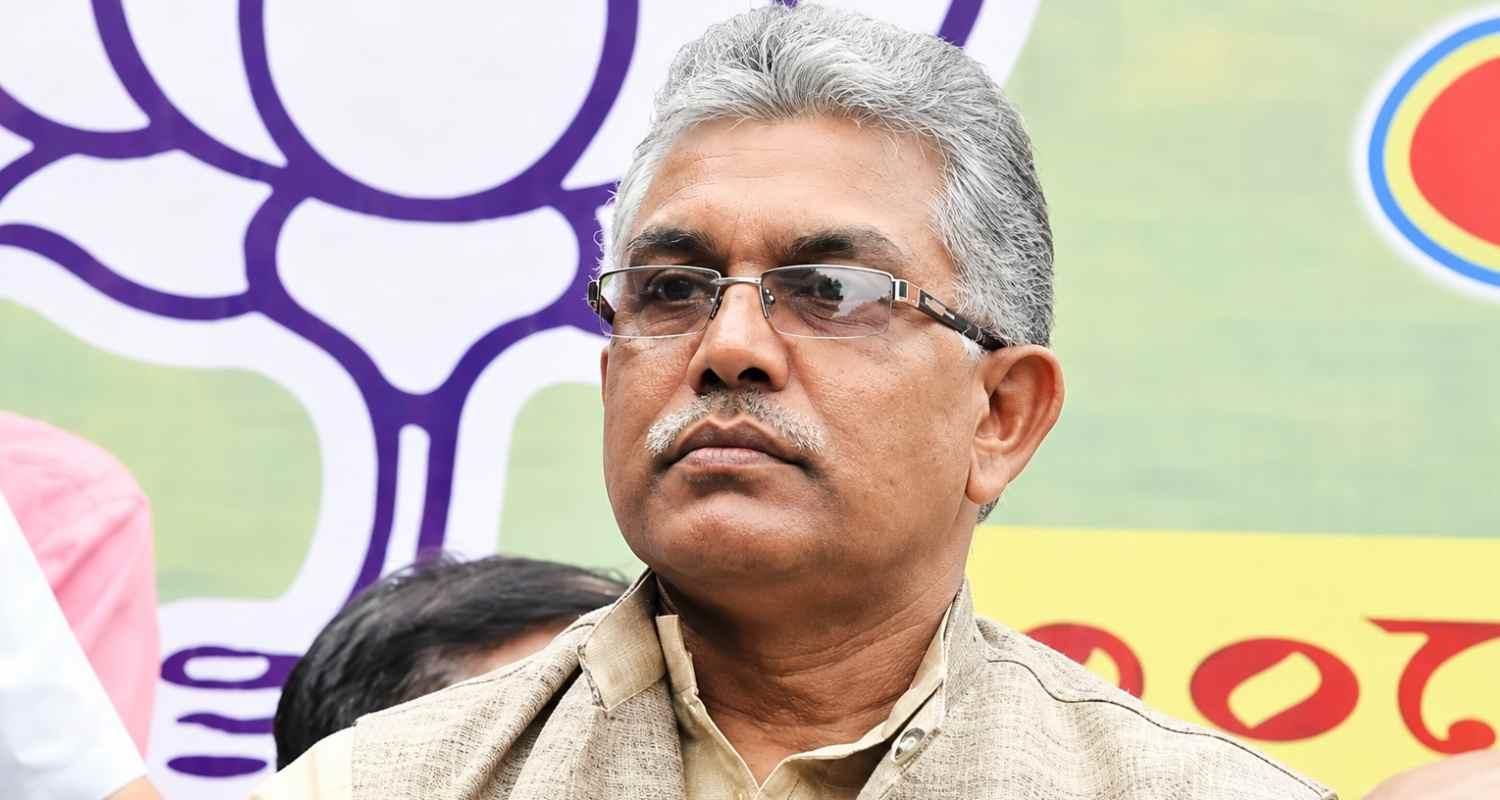
West Bengal government is preparing for a major restructuring of financial authority within Gram Panchayats, with plans to shift key fiscal powers from elected Panchayat Pradhans to government officials. State Minister Dilip Ghosh said the decision is aimed at curbing corruption and improving transparency at the grassroots level, and an amendment bill will soon be introduced in the Legislative Assembly to formalise the change.
“The concentration of financial power in the hands of Pradhans has been a primary source of corruption. This step is necessary to ensure accountability and transparency,” he said while addressing the media.
Under the proposed system, financial decision-making authority will no longer rest with elected Panchayat heads. Instead, these responsibilities will be transferred to Executive Assistants appointed within the Panchayats. The Minister added that the government would also take immediate steps within a week to address administrative inefficiencies in areas where Pradhans have failed to perform effectively.
The proposal, which has been under discussion in administrative circles for some time, is expected to mirror governance frameworks adopted in certain BJP-ruled states, including Odisha. Officials indicated that preparations are already underway to amend the West Bengal Panchayat Act, 1973, which currently vests significant financial authority in Panchayat Pradhans.
At present, Pradhans are responsible for approving a wide range of financial and administrative decisions. These include sanctioning expenditures under employment schemes, managing allocations from the 15th Finance Commission, issuing tenders for development projects, approving bills, and authorising fund releases. Although wages under employment schemes are directly transferred to beneficiaries’ bank accounts, the administrative approvals for such disbursements are granted by Pradhans.
Over the years, allegations of financial irregularities and corruption have surfaced in connection with these powers, particularly during the tenure of the Trinamool Congress government. Controversies have often centered on the allocation and utilisation of funds under employment schemes and development projects. The Minister also noted that the Central Government had previously halted certain employment schemes in the state citing corruption concerns.
With the proposed changes, Executive Assistants will oversee financial transactions, approve bills, and manage funds for various schemes. The government maintains that this shift will reduce the scope for misuse of funds and enhance administrative oversight.
However, the implementation of the proposal hinges on legislative approval. Administrative sources suggest that the amendment bill could be tabled in the upcoming Assembly session.

 Follow us