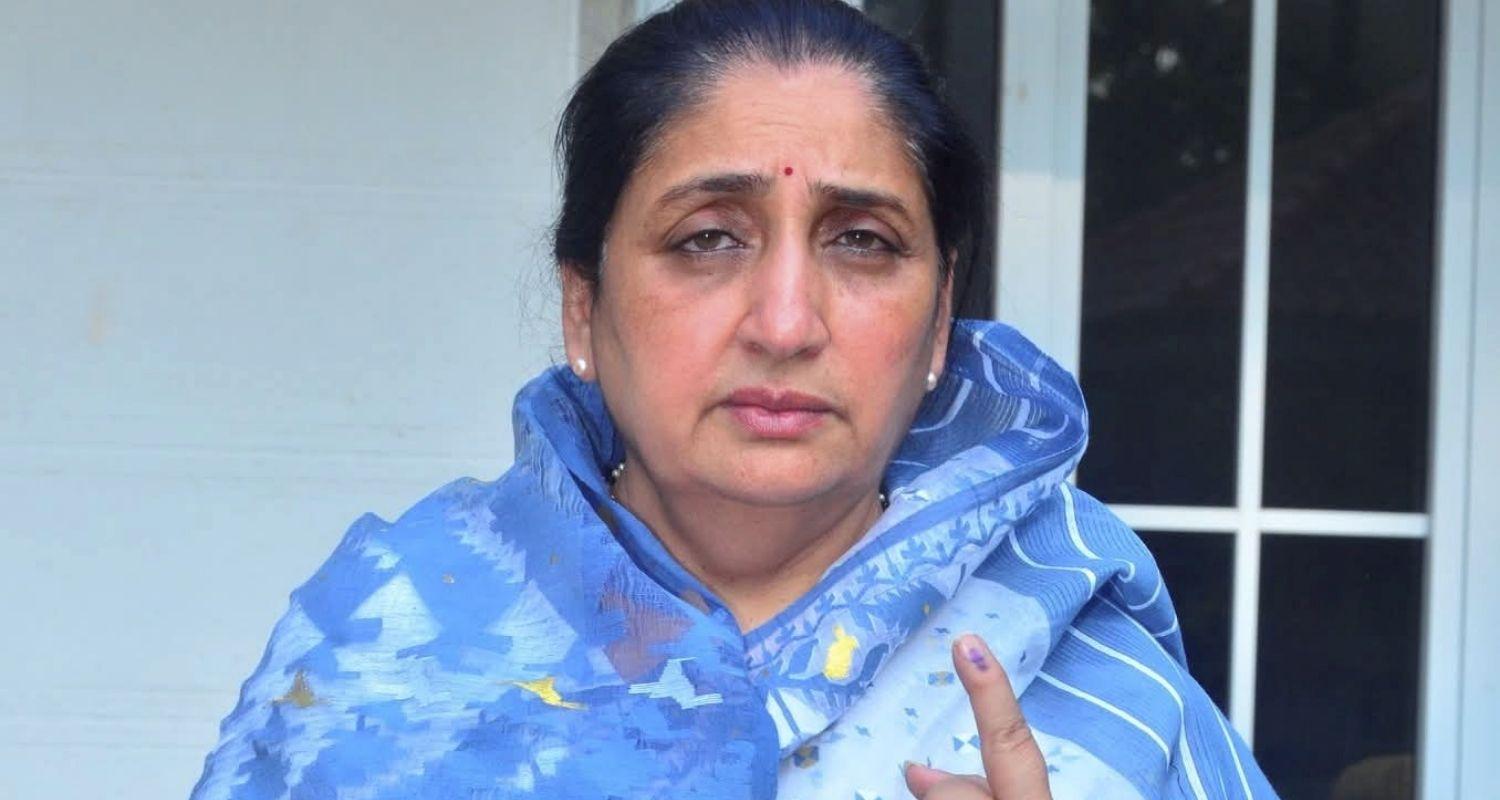
Twelve Zilla Parishads and 125 Panchayat Samitis in 12 districts of Maharashtra went to polls on Saturday morning amid tight security.
Voting began at 7.30 am and will continue till 5.30 pm, while counting of votes will begin at 10 am on February 9, after which the model code of conduct will be lifted.
The fate of as many as 7,438 candidates would be decided by more than 2 crore eligible voters in the state who are expected to exercise their franchise by casting two votes – one for the Zilla Parishad constituency and another for the Panchayat Samiti electoral division. White ballot papers will be used for Zilla Parishad elections, while pink ballot papers will be used for Panchayat Samiti elections.
A total of 25,471 polling stations have been set up, with around 1.28 lakh personnel deployed for election duty, including 125 returning officers and 125 assistant returning officers.
Also Read: Sunetra Pawar, wife of Ajit Pawar, to take oath as Maha Deputy CM
The 731 Zilla Parishads include those of Raigad, Ratnagiri, Sindhudurg, Pune, Satara, Sangli, Solapur, Kolhapur, Chhatrapati Sambhajinagar, Parbhani, Dharashiv, and Latur, besides there being 1,462 Panchayat Panchayat Samities under their jurisdiction, which are going to get new representatives.
The polling was originally scheduled for February 5, but postponed following the death of Deputy Chief Minister, Ajit Pawar, in an air crash on January 28. There was a subsequent declaration of three days of state mourning.
A total of 2,624 candidates are contesting for 731 Zilla Parishad seats, of which 369 are reserved for women, 83 for Scheduled Castes, 25 for Scheduled Tribes and 191 for the Other Backward Classes (OBCs), as per information by the Election Commission of India (ECI).
Similarly, 4,814 candidates are contesting for 1,462 Panchayat Samiti seats, of which 731 are reserved for women, 166 for Scheduled Castes, 38 for Scheduled Tribes and 342 for the Other Backward Classes.
The state’s electorate includes 1,06,33,269 men, 1,01,86,965 women and 468 voters from other categories.
The Election Commission has arranged sufficient electronic voting machines (EVMs), including 51,537 control units and 1,10,329 ballot units, and officials have been trained for their use.

 Follow us