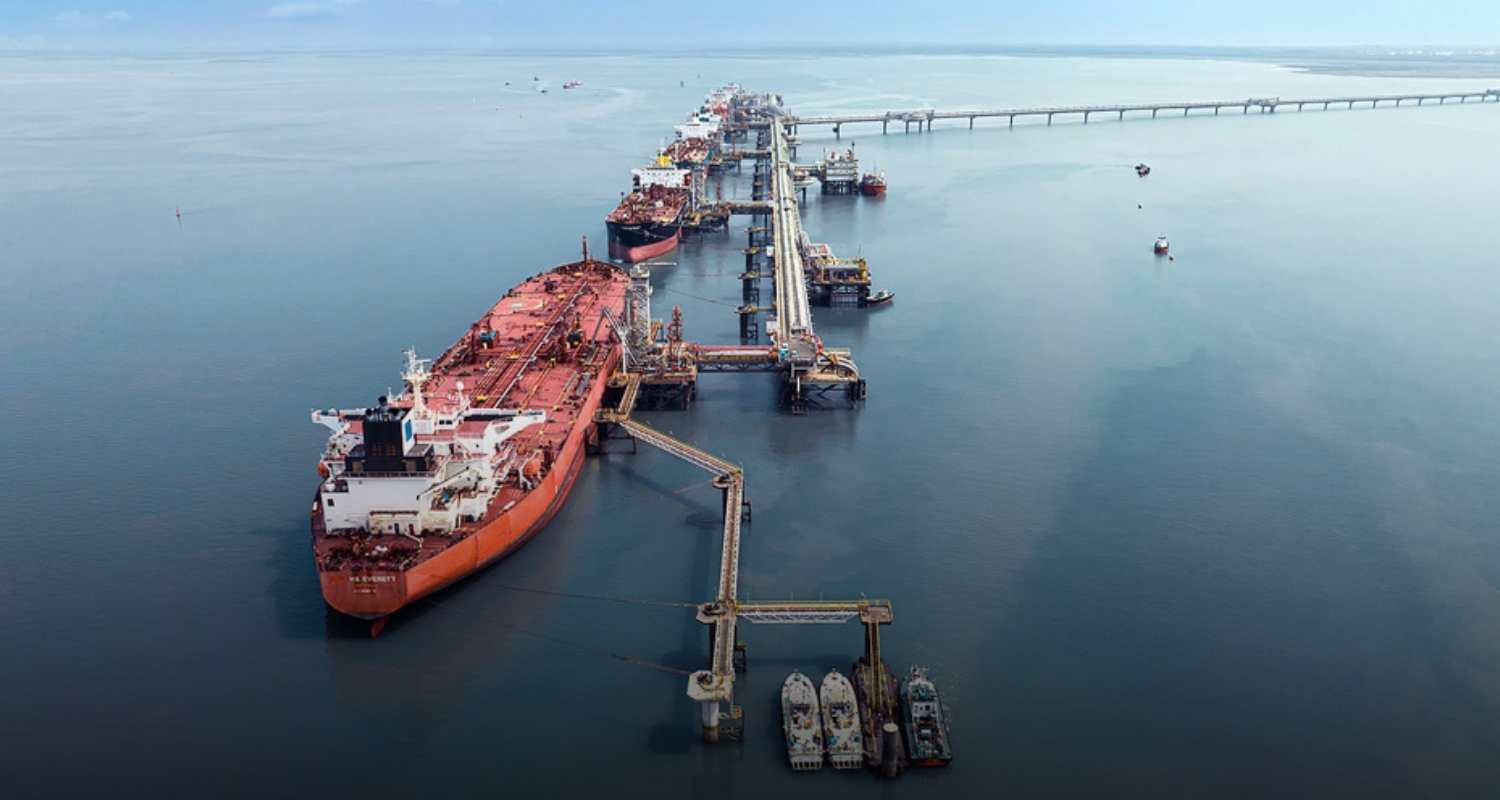
A parliamentary committee has identified India's substantial reliance on crude oil imports and escalating geopolitical risks as critical vulnerabilities for the nation's energy security. It has called on the government to accelerate the diversification of supply sources and bolster risk management strategies.
The Committee on Public Undertakings, in its report presented in Parliament last week, pointed out that India fulfils nearly 89 per cent of its crude oil needs through imports. This high dependency exposes the country to potential disruptions caused by global conflicts, sanctions, civil unrest in oil-producing countries, and interruptions in vital shipping lanes, including the Suez Canal and the Red Sea.
Events such as the Russia-Ukraine war and ongoing tensions in West Asia have exposed the precarious nature of India's energy supply chains.
The committee advised the Ministry of Petroleum and Natural Gas (MoPNG) along with central public sector undertakings (CPSUs) in the oil sector to ramp up initiatives for diversifying crude oil procurement both in terms of geography and contract types, fortify strategic petroleum reserves, and pursue the development of alternative import pathways.
Furthermore, it emphasised the need to formalise risk management instruments, including hedging mechanisms and flexible term contracts, to protect against potential future geopolitical disturbances.
"India meets about 89 per cent of crude oil requirements through imports and given the current geopolitical events such as Russia-Ukraine conflict, Israel-Hamas conflict, sanctions on some of the oil producing countries (like Iran, Venezuela, Russia), political/civil unrest/strikes in any oil producing country anytime, India could face risk of crude oil import uncertainty, which in turn could have an adverse impact on smooth supply of crude oil and its prices," the panel said.
The oil and gas industry also grapples with various environmental issues stemming from its operational activities, encompassing greenhouse gas emissions, air and water pollution, and challenges in waste management.
"Recent global events, including the Russia-Ukraine conflict and tensions in the Middle East, have underscored the vulnerability of India's energy supply chain and its dependence on international trade flows," its report said.
"In view of this, the Committee recommends that MoPNG and CPSUs (central public sector undertakings) should intensify efforts to diversify crude oil sourcing both geographically and contractually, strengthen strategic petroleum reserves, and enhance alternative import routes.
"Further, risk management practices, including hedging and flexible term contracts, must be institutionalised to safeguard India's energy security against future geopolitical shocks," the report added.
The report additionally spotlighted domestic challenges within the sector, such as ageing oil fields, project delays and cost overruns, escalating expenses related to land acquisition, and domestic crude production failing to match the pace of capital investments. It also noted environmental issues, including greenhouse gas emissions, pollution, and waste management.
Although the committee recognised ongoing measures by entities like Indian Oil Corporation and ONGC Videsh to broaden supply sources, it observed that sanctions, volatility in financial markets, and regulatory obstacles in host countries persist in hindering overseas investments.
Also Read: Amazon to invest $35 bn in India, create 1 mn jobs by 2030
"These issues not only affect India's energy import bill but also impede the ability of CPSUs to secure overseas exploration and production assets, thereby limiting long-term energy security," it said.
The panel suggested enhanced collaboration between the MoPNG and the Ministry of External Affairs to deepen diplomatic ties with oil-producing countries, negotiate better investment conditions, and resolve taxation and regulatory challenges encountered by Indian firms operating abroad.
"The Committee recommends that MoPNG should work closely with the Ministry of External Affairs (MEA) and other relevant government agencies to strengthen diplomatic engagement with oil-producing nations, secure favourable investment terms, and address taxation and regulatory hurdles faced by CPSUs abroad," the report said.
"At the same time, CPSUs should adopt digital and enterprise risk management frameworks to continuously assess geopolitical vulnerabilities, ensuring a more resilient and sustainable energy strategy for the country."
Also Read: India's big AI moment: $6.12T investment as big tech snubs Trump

 Follow us