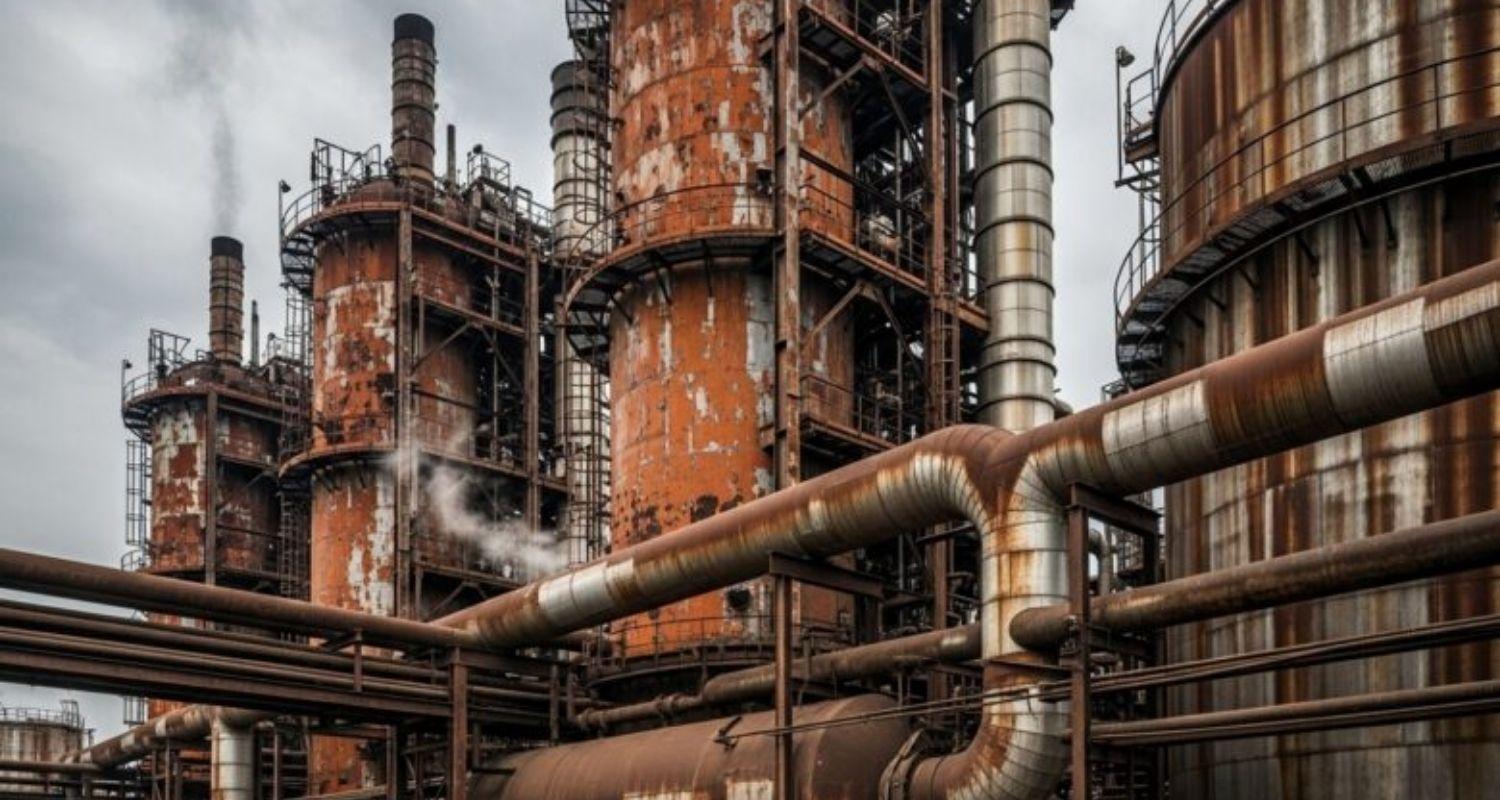
The Fertiliser Association of India (FAI) has stressed the need for enhanced operational efficiency, technological innovation, and continuous modernisation in ammonia production, citing the country's significant dependence on imported natural gas, which accounts for nearly 77 per cent of the sector's feedstock requirements.
Addressing a group discussion on "Operation and Maintenance Problems of Ammonia Plants" in Durgapur, West Bengal, FAI Director General Suresh Kumar Chaudhari highlighted the importance of maintaining high performance standards across the industry.
According to an FAI statement, Chaudhari noted that while several modern, state-of-the-art ammonia plants have been commissioned in recent years, a considerable number of facilities have been in operation for between 25 and 50 years. These ageing plants, he said, require ongoing upgrades, technological improvements, and the adoption of best operational practices to ensure optimal efficiency, reliability, and safety standards.
“Ammonia production is one of the most energy-intensive industrial processes and remains central to the entire nitrogen value chain. Continuous improvements in plant operations, maintenance practices and energy efficiency are critical not only for improving competitiveness but also for strengthening India’s fertiliser security,” Chaudhari said.
India currently has 36 ammonia plants with a combined installed production capacity of nearly 19 million tonnes, making operational reliability and energy efficiency crucial for sustaining domestic fertiliser output and meeting agricultural demand.
Also read: Maruti Suzuki launches India’s 1st flex-fuel car, Wagon R
Natural gas remains the primary feedstock used in ammonia manufacturing, making the sector particularly sensitive to fluctuations in global energy markets and import dependence. Chaudhari also pointed out that the fertiliser industry has made significant progress in reducing its environmental footprint.
Through the adoption of advanced technologies, process optimisation, and energy conservation initiatives, the sector has reduced greenhouse gas emissions by nearly 50 per cent over the past four decades. He said these achievements have positioned the fertiliser industry among the most energy-efficient industrial sectors in the country.
The event brought together around 50 senior engineers, plant operators, and technical experts representing 25 ammonia plants located across 19 different sites in India. Senior executives from major industry players, including Matix Fertilisers & Chemicals, HURL, IFFCO, and NFL, also participated in the discussions.
As part of the programme, participants visited Matix Fertilisers’ manufacturing facility at Panagarh, where they gained first-hand insights into modern ammonia plant operations, maintenance systems, and best industry practices.
FAI regularly conducts such technical forums and knowledge-sharing initiatives to encourage operational excellence, improve plant efficiency, facilitate the exchange of expertise, and support the long-term sustainability and competitiveness of India’s fertiliser industry.

 Follow us