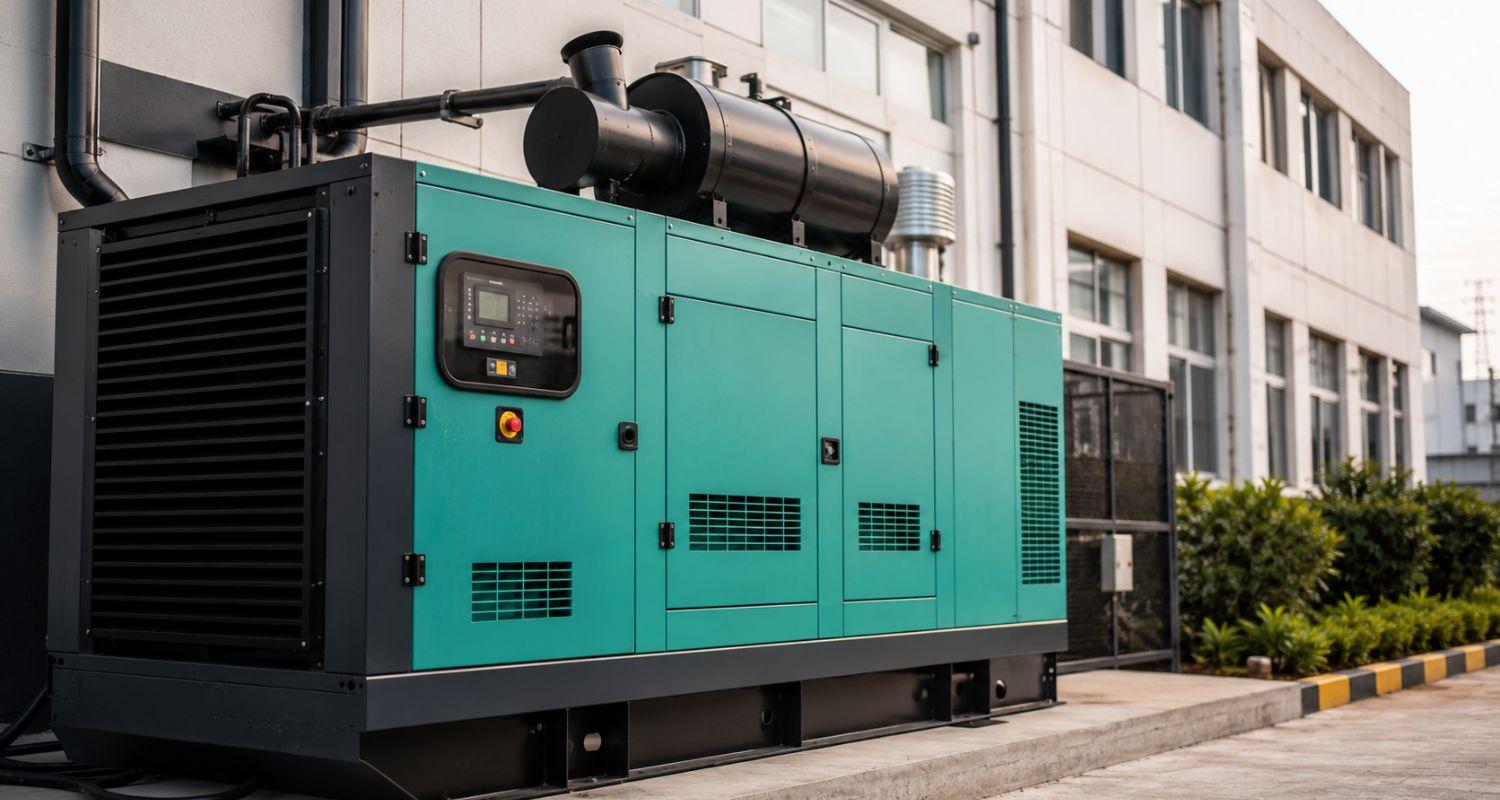
The government's decision to restrict diesel purchases through petrol pumps is triggering concern among hospitals, IT parks, data centres and industrial establishments that depend heavily on diesel generators not only for emergency backup but also as a regular source of power during periods of high electricity demand.
On June 11, the government prohibited industrial, commercial and institutional consumers from buying diesel at retail fuel stations and capped sales at petrol pumps to 200 litres per customer or vehicle per day. The move is aimed at conserving fuel supplies and preventing the diversion of diesel intended for retail consumers.
Industry executives warn that the restrictions could complicate fuel procurement for sectors where diesel-powered generation remains essential to daily operations. Hospitals are considered among the most affected. Large healthcare institutions typically operate multiple diesel generator units capable of supplying power to entire facilities during grid outages. These generators are also frequently run during surgeries, intensive care procedures and other critical operations where even brief power fluctuations can endanger patient safety.
Also read: Green growth strategy: Bio-energy is the key pillar
"Many hospitals do not rely solely on grid electricity for critical services. Diesel generators form an essential part of operational planning because uninterrupted power supply is crucial," an executive from a hospital chain said.
Data centres, IT campuses and telecom infrastructure providers are also heavily dependent on diesel backup systems to meet uptime and service commitments. Industry officials noted that many such facilities regularly replenish fuel stocks from nearby retail outlets to ensure operational continuity.
"In several states, electricity tariffs during peak demand periods are higher than the cost of generating power through diesel gensets. As a result, many IT companies use diesel generators to meet part of their electricity requirements during those hours," another industry executive said.
The restrictions may also raise operating costs for certain industrial and commercial users. During periods of elevated electricity demand, grid power can become significantly more expensive than captive diesel-based generation, prompting facilities to shift part of their load to generator sets to improve reliability and control costs.
According to the government, the measures were introduced after observing "abnormal increases" in diesel and petrol sales at retail outlets. Authorities said industrial and institutional consumers had increasingly shifted purchases from bulk supply channels to lower-priced retail pumps, creating the risk of localized fuel shortages.
Under the new rules, these consumers must procure diesel through dedicated consumer pumps and bulk supply arrangements instead of regular retail stations. Industry bodies are now seeking exemptions and operational clarity for essential services, arguing that hospitals, telecom networks, data centres and other critical infrastructure require guaranteed access to diesel regardless of market conditions.
Executives said organisations with long-term bulk fuel supply agreements are expected to face limited disruption. However, institutions that rely on flexible purchases from retail outlets may have to quickly revise their procurement strategies if the restrictions remain in force.
The curbs, which will remain effective for up to 90 days, were introduced following unusual growth in fuel demand, particularly diesel, in certain regions after bulk consumers began purchasing from petrol pumps to take advantage of lower retail prices. In Delhi, diesel is currently priced at Rs 95.20 per litre at retail pumps, compared with Rs 134.50 per litre for bulk purchases.
The price gap emerged after state-owned oil marketing companies adjusted retail fuel prices to shield ordinary consumers from the surge in global energy costs triggered by the West Asia crisis earlier this year. While bulk consumers such as telecom tower operators and industries using diesel for power generation pay market-linked rates, retail prices remain substantially lower.
Commercial operators, including trucking fleets and state-run transport corporations, have also increasingly sourced fuel from retail outlets, contributing to sharp spikes in demand in certain locations. The pricing disparity has additionally altered market dynamics, with fuel sales shifting from private retailers to public sector petrol pumps, where prices remain lower.
In May, state-owned oil companies Indian Oil Corporation (IOC), Bharat Petroleum Corporation Limited (BPCL) and Hindustan Petroleum Corporation Limited (HPCL) reported a 4.8 per cent increase in petrol sales and a 6.4 per cent rise in diesel sales, reflecting the impact of these changing purchasing patterns.

 Follow us