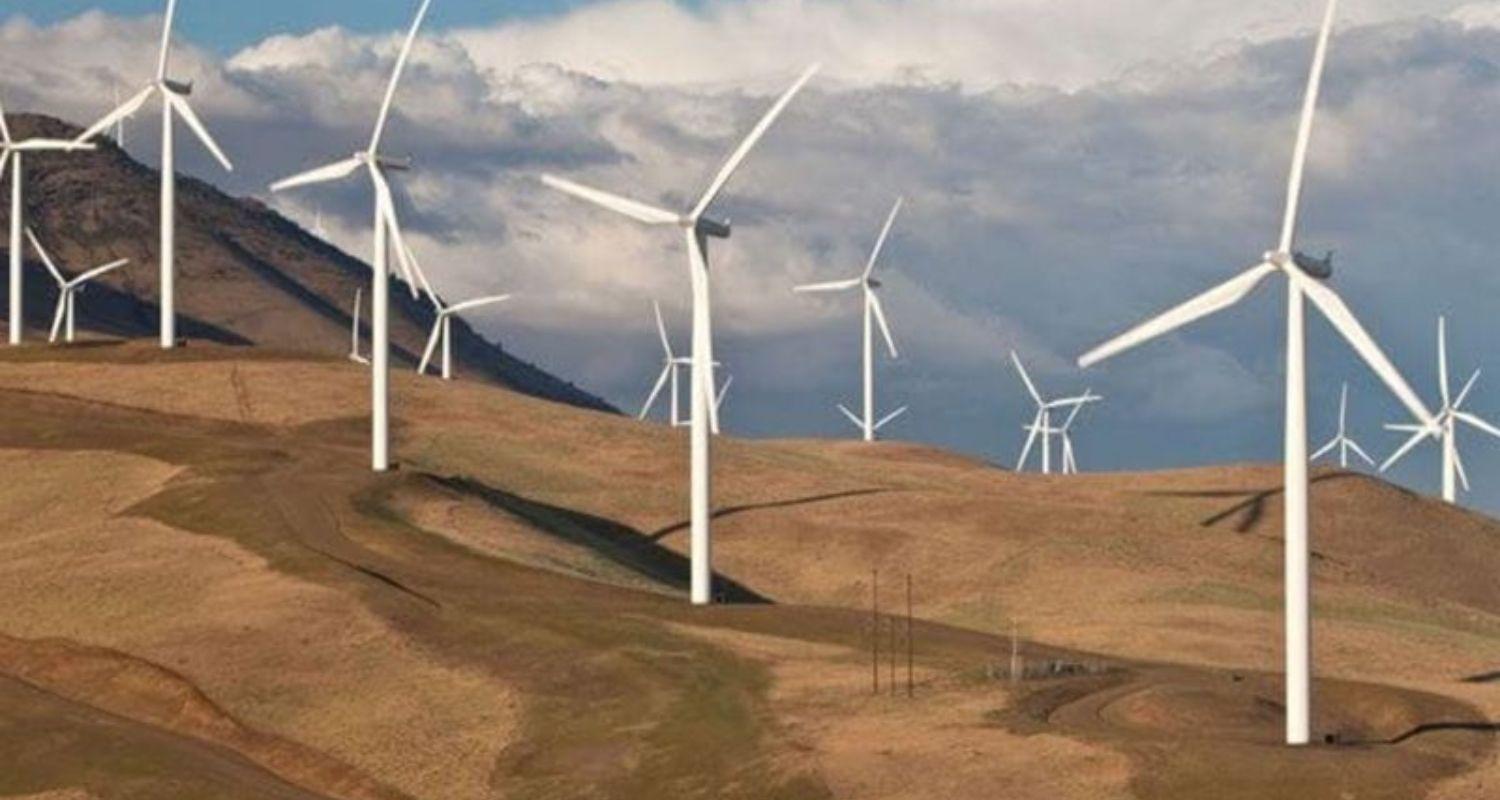
India will need to sustain wind power capacity additions of around 10 gigawatt (GW) every year for the rest of the decade to achieve its target of 100 GW of installed wind capacity by 2030, but persistent execution and regulatory challenges could slow the pace of deployment, according to a report by the Indian Wind Turbine Manufacturers Association (IWTMA).
The report, titled Learning from States: Policy Harmony for 10 GW Annual Wind Capacity Additions, said India had installed around 56 GW of wind capacity by FY2026 and commissioned nearly 6 GW during FY2025-26. The annual addition was the highest recorded so far, but remained below the level required to stay on track for the 2030 target.
“Reaching the 100 GW wind target by 2030 requires sustaining 10 GW of annual commissioning and the current record falls short of that threshold,” the report said.
According to the study, the primary challenge is not a shortage of projects but the time taken to move them through different stages of development. These include identifying suitable sites, acquiring land, obtaining environmental and other regulatory clearances, securing grid connectivity and completing construction and commissioning.
The report noted that delays at any stage can accumulate and prevent projects that have already been tendered or awarded from becoming operational within the expected timeframe.
“Where these processes are slow, unclear, or poorly coordinated, delays accumulate, limiting the pace at which tendered and awarded capacity translates into operating projects,” it said.
The country nevertheless has a substantial pipeline of wind projects. Utilities awarded around 7.6 GW of wind capacity during FY2025-26, while approximately 43 GW of capacity was under construction, according to the report. The government has also committed around 152 GW of grid capacity at the intra-state and inter-state levels, providing a significant foundation for future renewable energy expansion.
However, differences in policies and procedures across states are emerging as a major obstacle. The IWTMA study examined policies in eight major wind-producing and emerging states and found inconsistencies in areas including grid construction, allocation of transmission capacity, land acquisition and right-of-way permissions, regulatory approvals and the signing of power sale agreements.
“Collectively, these bottlenecks suppress the conversion of awarded capacity into commissioned projects,” the report said.
State-level wind policies also differ in areas such as demand assessment, renewable purchase obligations, open access regulations, land allocation, grid connectivity, power purchase agreements and mechanisms for resolving disputes.
IWTMA Chairman Girish Tanti said the differences between states were contributing to longer project timelines and higher costs for developers.
These inconsistencies “contribute to delayed timelines, elevated transaction costs, and barriers to inter-state energy trade that collectively constrain the pace of deployment,” Tanti said.
Also read: Bring back lower-ethanol petrol option: Chief Economic Adviser
To address the execution gap, the report called for greater policy harmonisation and streamlined approval processes. It recommended a unified single-window system for project registration, digital approval mechanisms and clearly defined timelines for critical land and grid-related permissions.
Among the best practices identified by the study, the report recommended that grid connectivity applications should be processed within 30 days, subject to technical feasibility. It also suggested defined timelines for land-use conversion, along with deemed approval provisions where authorities fail to act within 30 days.
The report said coordinated implementation of such measures could help unlock India's existing wind project pipeline and ensure that awarded and under-construction projects are converted into operational capacity faster.
With India seeking to expand renewable energy to strengthen energy security and reduce dependence on fossil fuels, accelerating wind deployment will be critical. Achieving the 100 GW target by 2030 will therefore depend not only on adding new projects but also on removing bottlenecks that delay their execution and commissioning.

 Follow us