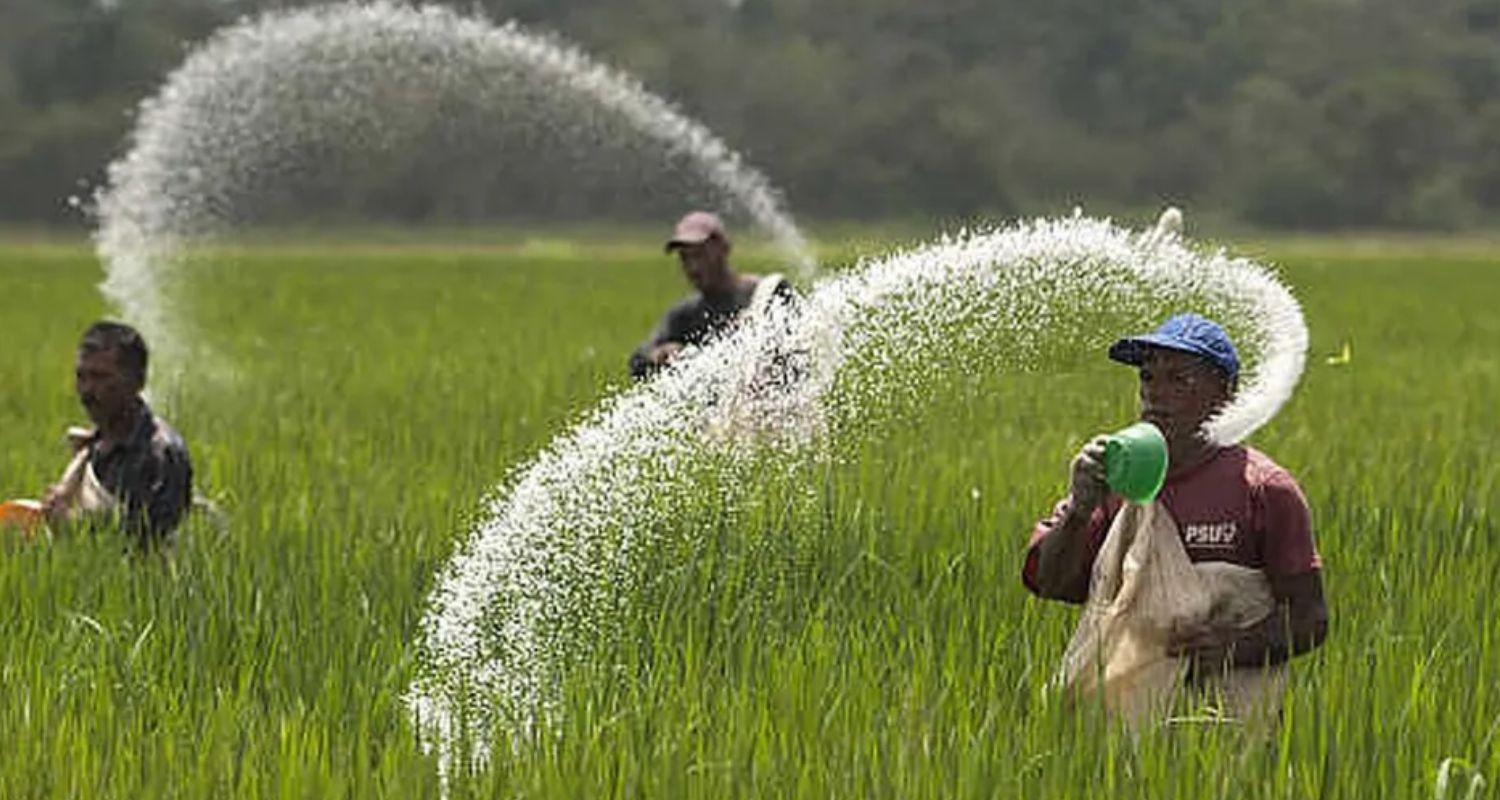
An uneven monsoon could create favourable conditions for India's soluble fertiliser industry during the ongoing Kharif season, as farmers increasingly turn to water-efficient nutrient solutions to protect crop yields. However, steep increases in global raw material prices remain the biggest challenge and could dampen demand despite the weather-related opportunity, according to the Soluble Fertilizer Association of India (SFAI).
SFAI President Rajib Chakraborty said prices of key raw materials used in manufacturing soluble fertilisers have risen sharply over the past year due to China's export restrictions and supply chain disruptions triggered by geopolitical tensions in West Asia. The surge in input costs has significantly increased the prices of finished products, raising concerns about affordability for farmers.
"Current prices are almost 60 to 100 per cent up," Chakraborty said, noting that monoammonium phosphate (MAP), a key ingredient used in soluble fertiliser production, has witnessed one of the steepest increases.
According to him, MAP, which had traded at around USD 1,000 per tonne over the past two years, is currently priced between USD 1,500 and USD 1,600 per tonne in the international market. Similar upward trends have been observed in several other fertiliser inputs, increasing production costs for manufacturers and ultimately pushing retail prices higher.
Chakraborty said that while a weak or erratic monsoon generally encourages farmers to adopt precision farming techniques such as fertigation and drip irrigation, which rely heavily on soluble fertilisers, higher prices could discourage purchases, particularly among small and marginal farmers.
Unlike conventional fertilisers, soluble fertilisers dissolve completely in water and are applied through irrigation systems or as foliar sprays. They allow crops to absorb nutrients more efficiently, making them particularly useful during periods of moisture stress and irregular rainfall. As concerns over rainfall distribution persist in several agricultural regions, demand for these specialised products could improve during the current sowing season.
However, the industry's outlook remains closely tied to pricing trends. Chakraborty cautioned that if raw material costs continue to remain elevated, many growers may reduce application rates or postpone purchases, affecting overall market growth.
Also read: US-Iran tensions: Gold, silver likely to remain volatile
The industry is also grappling with supply uncertainties following China's restrictions on fertiliser exports. China is among the world's largest suppliers of several fertiliser raw materials, and reduced shipments have tightened global availability, resulting in higher prices across international markets. At the same time, geopolitical tensions in West Asia have disrupted shipping routes and logistics, adding further pressure to procurement costs.
Market participants are closely monitoring international developments in the hope of some easing in raw material prices over the coming months. Any improvement in global supply chains or relaxation of export restrictions could help stabilise prices and support demand during the remainder of the Kharif season.
Despite the current challenges, SFAI remains optimistic about the long-term growth prospects for soluble fertilisers in India. The association believes that increasing adoption of micro-irrigation, greater awareness of precision agriculture and the need to improve nutrient-use efficiency will continue to drive demand over the coming years.
For the current season, however, the industry's performance will largely depend on two key factors—the progress of the monsoon and the trajectory of global fertiliser prices. While erratic rainfall may encourage greater use of soluble fertilisers, sustained high prices could remain the biggest obstacle to wider adoption among farmers.

 Follow us