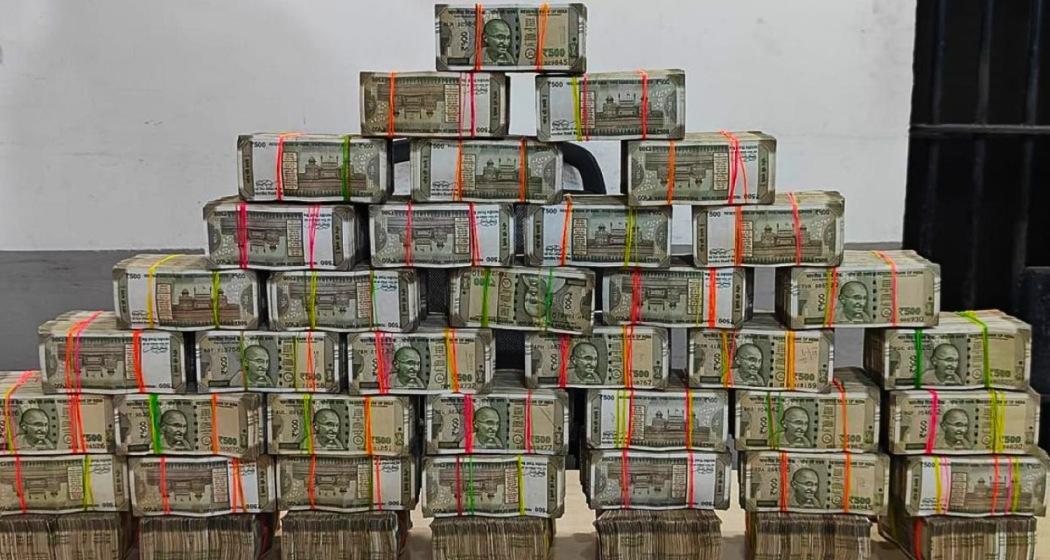
Enforcement agencies have seized over Rs 650 crore worth of illicit cash, drugs, liquor and valuables across poll-bound states and Puducherry, the Election Commission of India said on Sunday, underlining intensified efforts to curb inducements to voters ahead of assembly elections.
Data shared by the poll panel shows that West Bengal accounted for the highest share of seizures at Rs 319 crore, nearly half of the total. Tamil Nadu followed with Rs 170 crore worth of recoveries.
The seizures include cash, liquor, narcotics and valuable metals, all allegedly intended to influence voters during the ongoing election cycle. The Commission has stepped up surveillance and enforcement mechanisms across states to ensure strict adherence to the Model Code of Conduct.
To strengthen monitoring, over 5,173 flying squads have been deployed across constituencies to respond swiftly to complaints and intelligence inputs.
According to the Commission, these teams are tasked with addressing complaints within 100 minutes, ensuring prompt action on violations.
Also read: LS seats won't be reduced in South India: PM Modi
In addition, more than 5,200 static surveillance teams (SSTs) have been stationed at key locations to carry out surprise checks and establish nakas, or barricades, aimed at intercepting the movement of illegal cash and contraband.
Polling in Kerala, Assam and Puducherry is scheduled for April 9. In West Bengal, voting will be conducted in two phases on April 23 and April 29, while Tamil Nadu will go to the polls in a single phase on April 23.
Besides the assembly elections, bypolls to eight seats across six states will also be held on April 9 and April 23.
The data on seizures has been compiled through the Electronic Seizure Management System (ESMS), a centralised platform used by the Commission to track enforcement actions in real time. While the election schedule was announced on March 15, the ESMS was activated earlier on February 26 to enable advance monitoring.
The Commission has reiterated its commitment to ensuring free and fair elections, with authorities maintaining heightened vigilance to prevent the use of money power and inducements during the campaign period.

 Follow us