A brief roadside stop by Prime Minister Narendra Modi to eat jhalmuri during a campaign visit has triggered a fresh political row in West Bengal, with Chief Minister Mamata Banerjee questioning the authenticity of the gesture.
The incident took place on Sunday in Jhargram, where Modi had addressed a public rally. As his convoy was returning to the helipad, it halted near Raj College crossing, allowing the Prime Minister to step out and buy a cone of jhalmuri from a roadside vendor.
The moment quickly drew attention, not only for the spontaneity of the stop but also for Modi’s interaction with the vendor. When asked whether he ate onions, the Prime Minister replied with a smile, “I do eat onions,” before adding, “But I don’t eat people’s brains,” prompting laughter from those present.
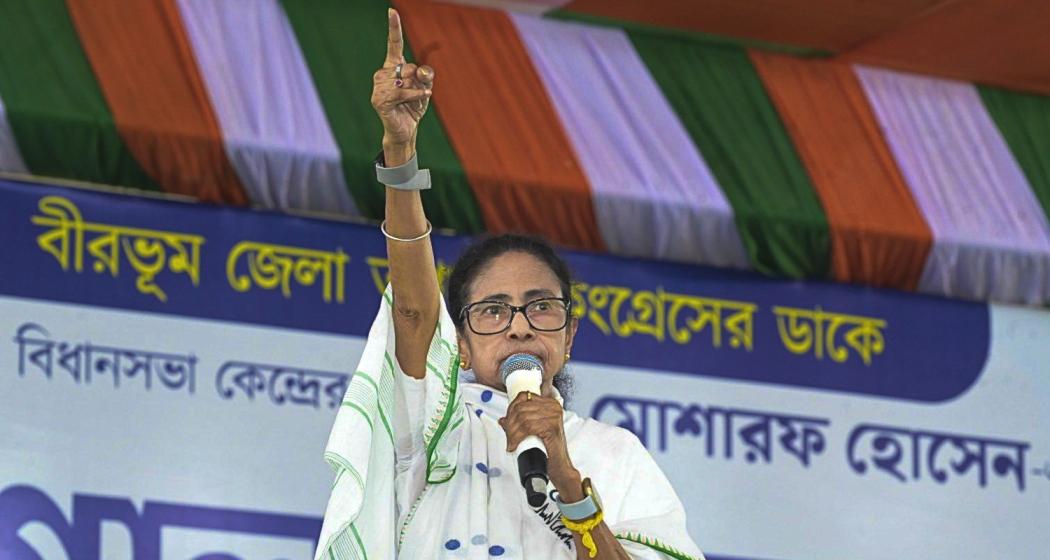
The episode soon became a talking point in the poll-bound state, with Mamata Banerjee taking a sharp dig at the Prime Minister while addressing a rally in Murarai in Birbhum district on Monday.
“Does he ever carry ten rupees in his pocket? What a drama! The jhalmuri was prepared in advance. Otherwise, how were cameras already set up at the stall?” she said, questioning the spontaneity of the interaction.
Also read: TMC targets PM Modi over ‘jhalmuri’ break in Jhargram
Her remarks added fuel to the ongoing political sparring between the ruling All India Trinamool Congress (TMC) and the Bharatiya Janata Party (BJP), as campaigning gathers momentum ahead of the Assembly elections.
The jhalmuri stop has underscored the role of symbolism and optics in election campaigns in West Bengal, where food and everyday interactions often become tools for political messaging.
Mamata herself has frequently engaged in similar gestures, such as cooking at roadside stalls or preparing tea, to project accessibility and connect with voters at the grassroots level. Other candidates across parties have also adopted such methods, participating in routine activities to appeal to the electorate.
Against this backdrop, Modi’s stop has amplified the optics battle, with both sides seeking to shape public perception in the crucial final days of campaigning.
With elections approaching, the exchange highlights the increasingly sharp tone of political discourse in the state, where even brief moments of public interaction can quickly turn into flashpoints in the larger electoral contes

 Follow us