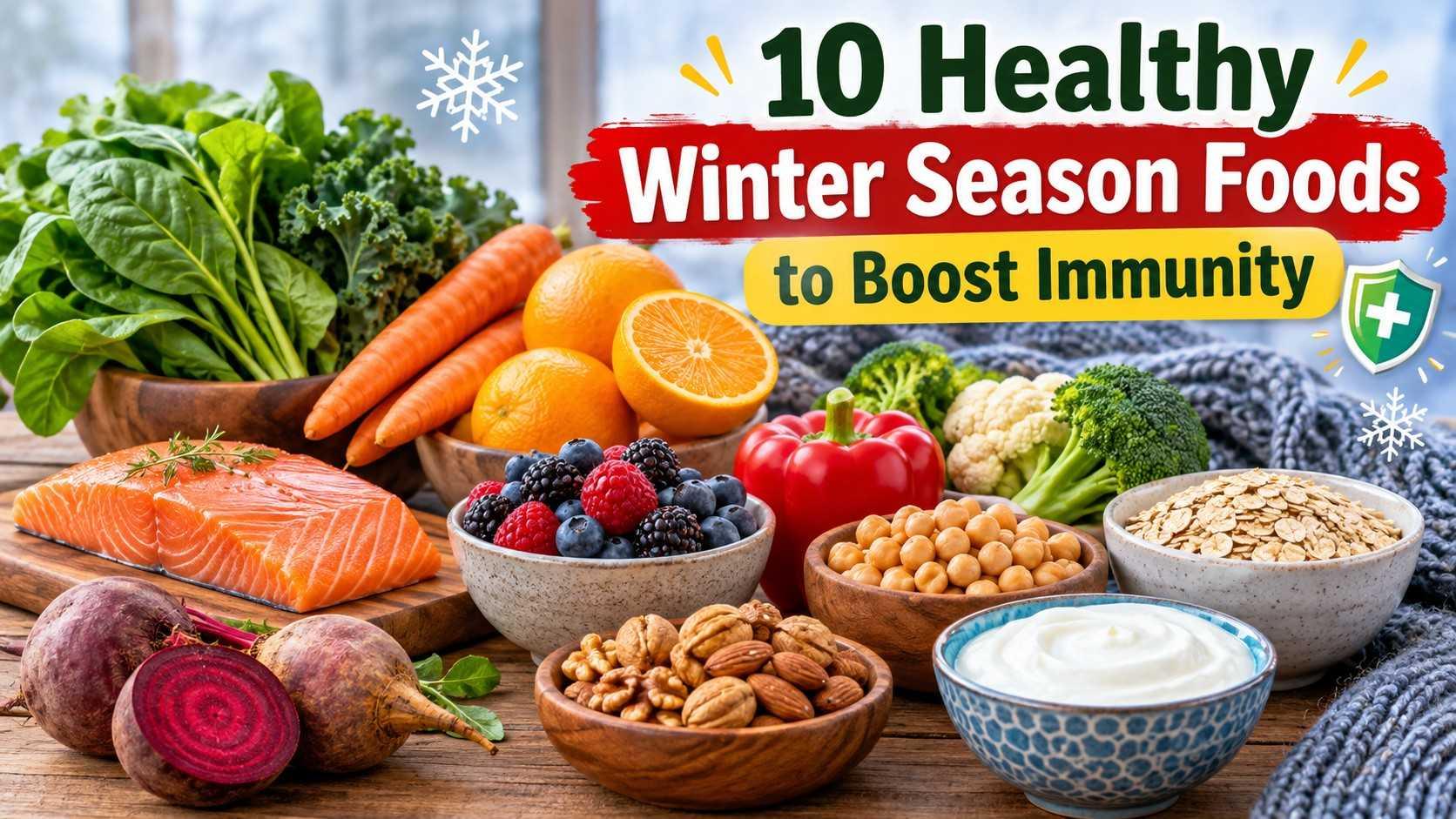
Cold weather can increase the body’s energy needs as it works to maintain warmth, but winter comfort food does not have to come at the cost of nutrition. A Mediterranean-style diet offers several healthy options that can be served warm and remain suitable throughout the colder months.
Known for its antioxidant and anti-inflammatory qualities, the Mediterranean diet is associated with longevity and a lower risk of conditions such as cardiovascular disease and diabetes. Its core ingredients—including fresh or frozen leafy greens, root vegetables, citrus fruits, salmon, beans, whole grains, berries, Greek yogurt, nuts and extra virgin olive oil—are widely available year-round.
1. Leafy greens
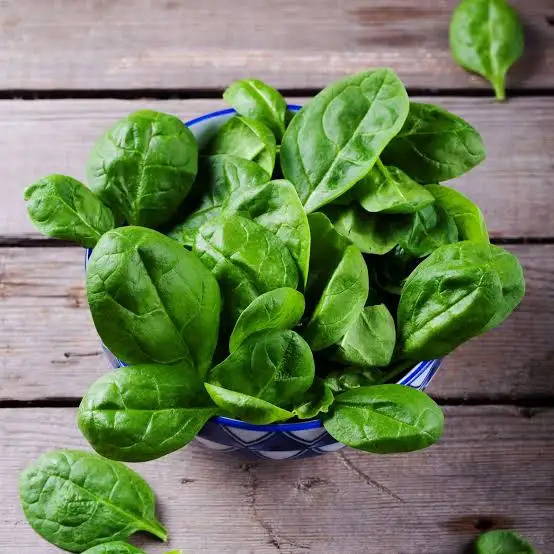
Frozen spinach and kale can be as nutritious as their fresh counterparts. They provide vitamin C, which supports the immune system; vitamin K, which helps with blood clotting; and vitamin A, which is important for vision. These vegetables can also be included in hot meals.
Spinach, kale and arugula can be added to stir-fries, while leafy greens may also be blended into smoothies.
2. Root vegetables
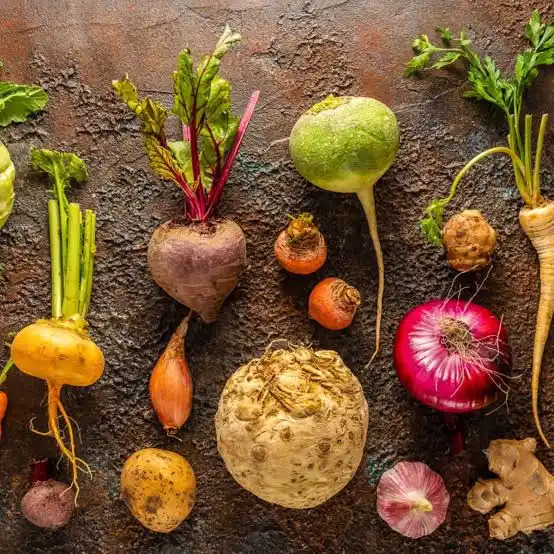
Beets, carrots and turnips are widely available during winter and contain beta-carotene as well as vitamins C and A. These nutrients help support the immune system’s ability to protect the body from colds and flu.
For a simple preparation, lightly coat sliced root vegetables with olive oil and roast them slowly in a 350-degree oven until their natural sugars caramelise.
3. Citrus fruits

Vitamin C supports immunity and may also help improve mood. Oranges, grapefruit and lemons are traditional sources, while strawberries, mangoes and kiwis also contain high amounts of the vitamin.
Broccoli, cauliflower and bell peppers can add more vitamin C to meals. Frozen versions are an option when fresh produce is unavailable.
4. Foods rich in vitamin D
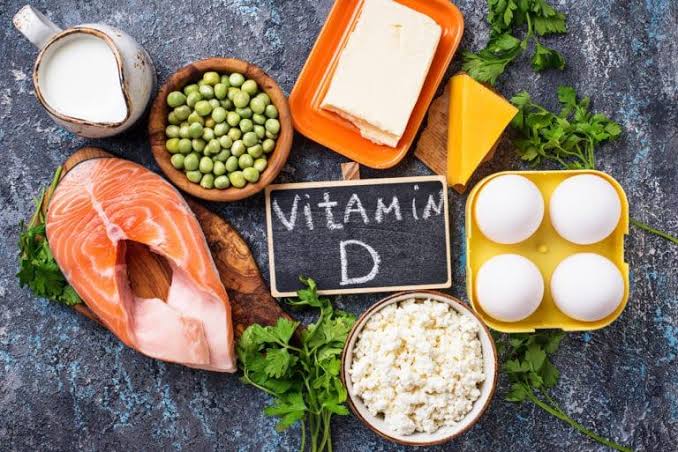
Vitamin D-rich foods are particularly useful during the darker winter months. Salmon, egg yolks, fortified cereals, milk, red meat and shitake mushrooms are among the available sources.
A salmon fillet can be prepared by brushing it with a little olive oil, topping it with finely minced ginger root and baking it at 350 degrees.
5. Beans
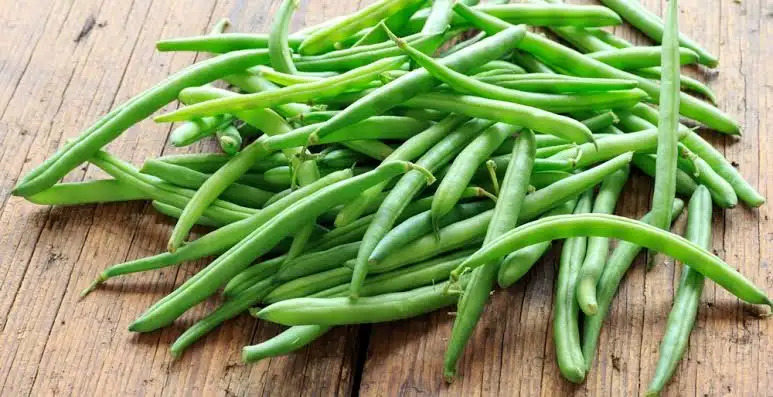
Beans, including chickpeas or garbanzo beans, provide protein and contain nearly all the essential amino acids.
Dried or canned beans can be added to soups and salads. They can also be blended with extra virgin olive oil, lemon juice, tahini and salt to prepare hummus at home.
6. Low-sodium soup

Soup can be a nutritious winter choice when it is homemade or low in sodium. A low-sodium soup contains 140 milligrams or less of sodium per serving, while the term “reduced sodium” means that only 25% of the sodium has been removed.
Recipes based on chicken broth, vegetable broth or water, with plenty of vegetables, are preferable to versions containing cream, beef and added salt. Beans or lentils can provide additional fat-free protein and fibre. Their ability to slow digestion and help control blood sugar can curb appetite, support hunger management and bolster mood.
7. Whole grains
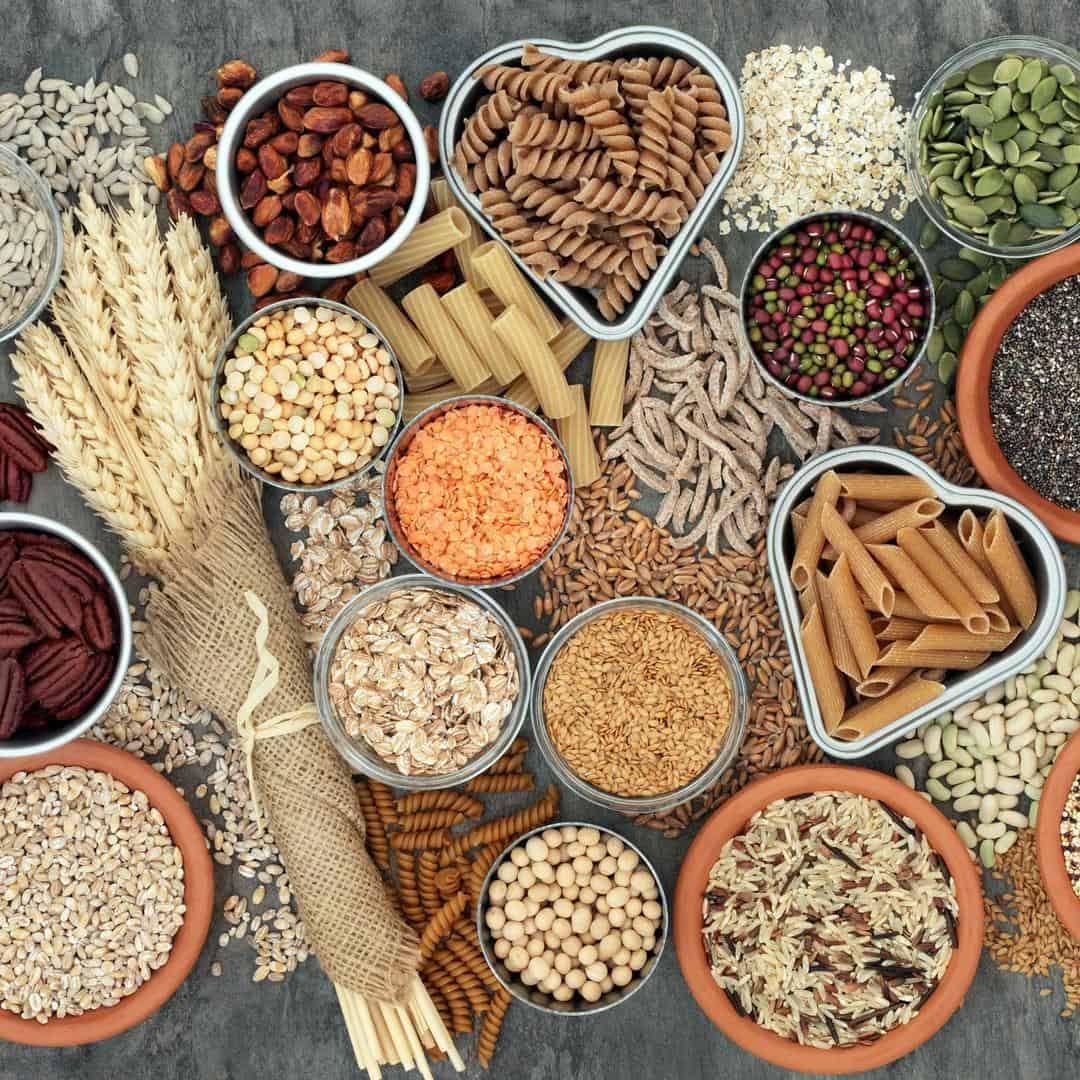
Quinoa, oatmeal, farro, bulgur and buckwheat supply protein and fibre. Oatmeal can work well as a winter breakfast or snack because it contains zinc, which the immune system needs for proper function, as well as soluble fibre that supports heart health.
Adding cooked whole grains to salads can help keep you full for longer. Whole-grain breads, crackers and cereals are also useful choices; the package should list “whole grain” as the first ingredient.
Cinnamon, cardamom or nutmeg can enhance oatmeal’s flavour without adding calories, fat, sugar or salt. Paninis and melts can also fit into a healthy winter diet when prepared with whole-grain bread and without breads high in saturated fat and sodium.
8. Berries

Strawberries, blueberries, blackberries and raspberries are rich in fibre and antioxidants. They also provide vitamin C, manganese and vitamin K1.
Berries can be eaten as a snack or served with yogurt and oatmeal at breakfast.
9. Greek yogurt

Greek yogurt generally contains more protein than other yogurts and is a source of vitamin B-12, calcium and probiotics. These probiotics help maintain balance in the gut microbiome.
It is advisable to avoid low-fat, “Greek-style” and flavoured yogurts. Greek yogurt can be sweetened with banana or berries, or blended with a little milk, fresh fruit and crushed ice to make a smoothie.
10. Nuts
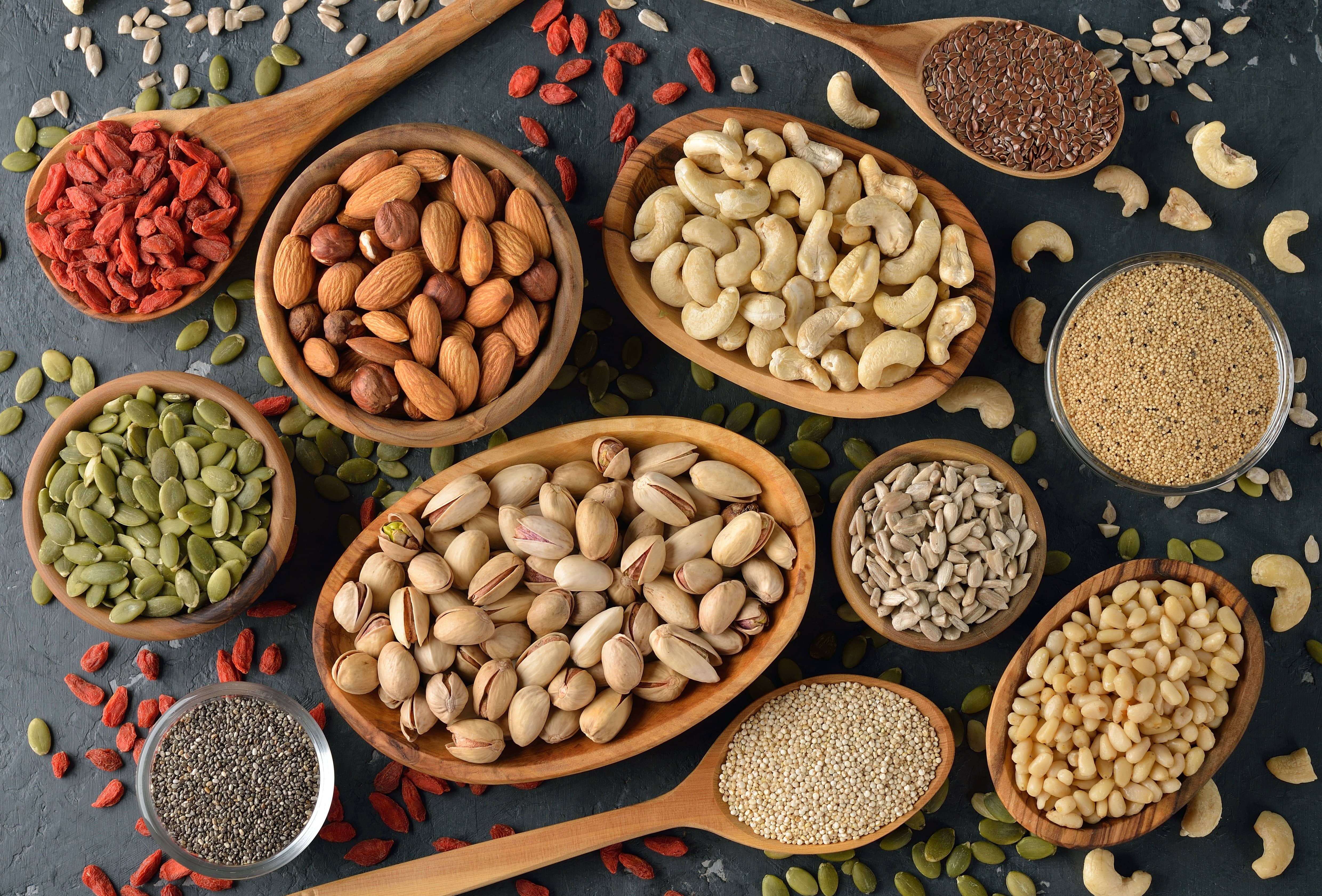
Almonds, walnuts, cashews and pistachios contain antioxidants and trace minerals. Raw, unsalted or low-salt varieties are preferable to candied or heavily salted nuts and those included in trail mix.
Walnuts and other nuts can be lightly coated with olive oil and roasted alongside sweet potatoes, beets or chickpeas in a 350-degree oven. The roasted mixture can then be enjoyed as a snack.

 Follow us