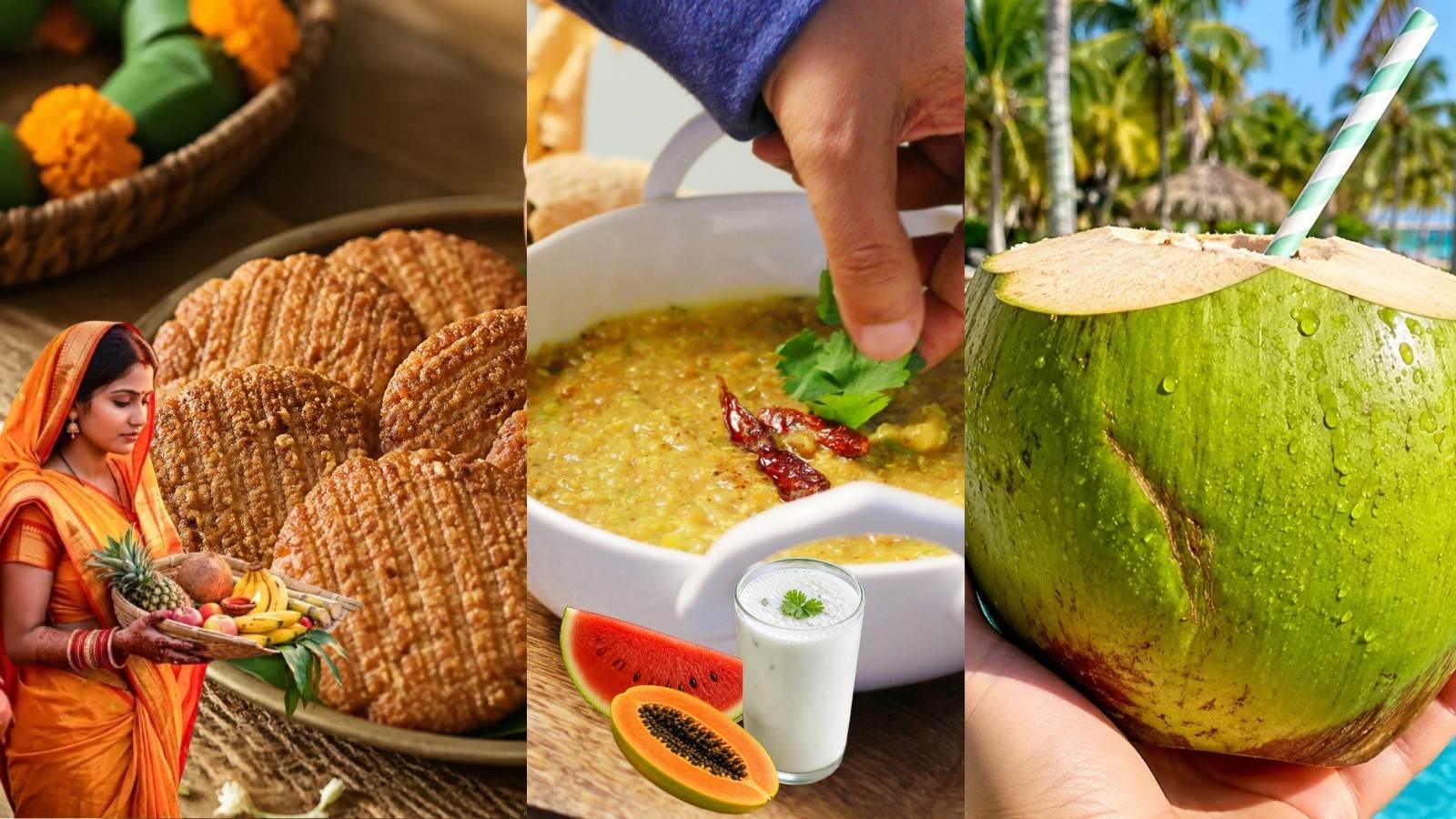
After completing a 36-hour Nirjala Chhath fast, the body may be dehydrated, fatigued and sensitive to food. Restarting the diet gradually is important, as immediately eating heavy, fried or spicy items can lead to acidity, bloating, nausea and stomach cramps.
A staged approach is advisable: begin with fluids, follow with fruit and prasad, and then move to a light meal. The following five options can support a gentler recovery after the fast.
1. Coconut water for initial hydration
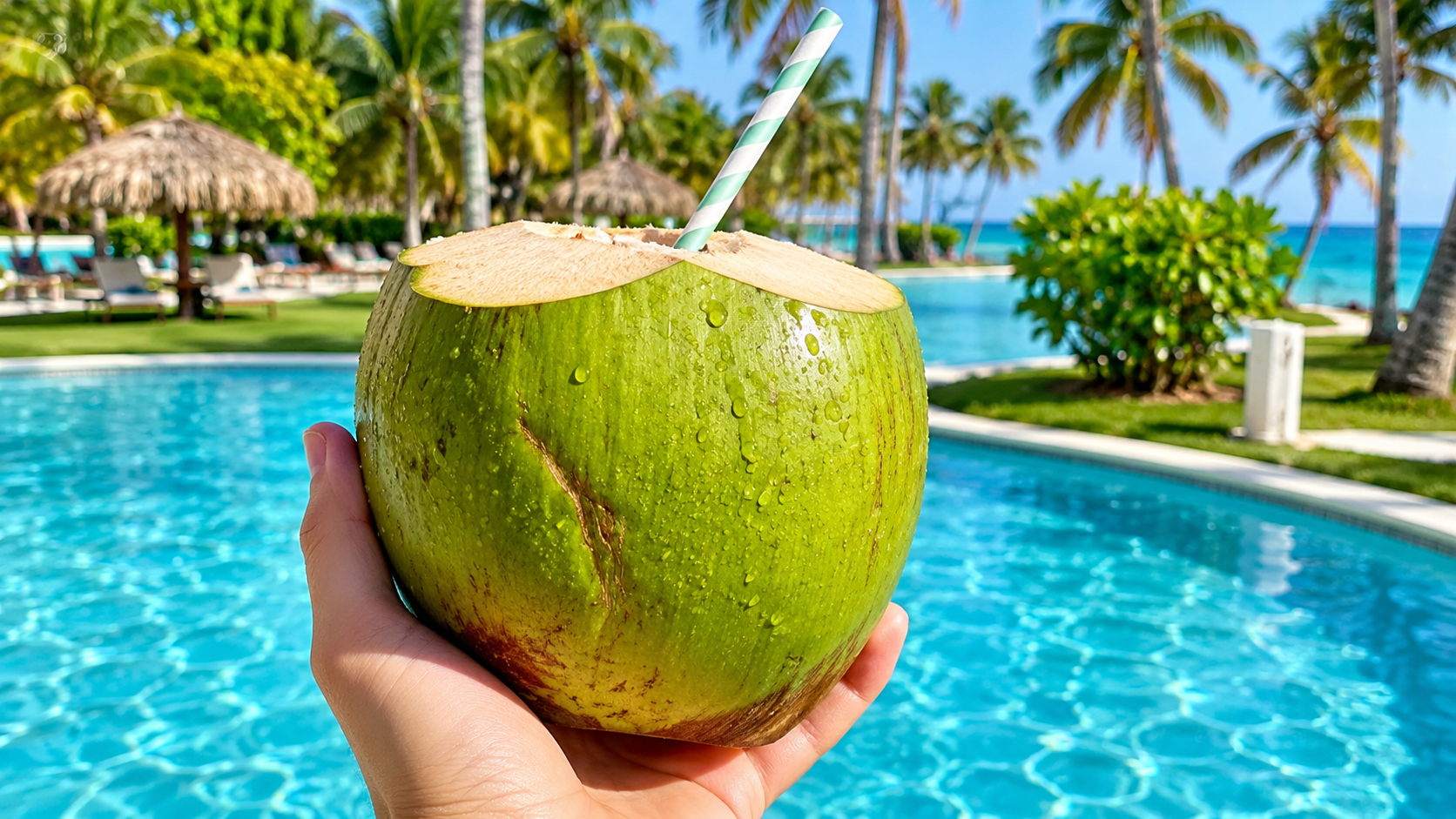
Coconut water can be the first drink after the fast. Following 36 hours without food or water, the body may need electrolytes, and coconut water provides them naturally while also offering some energy.
Drink it in small sips, wait for 10 to 15 minutes and then have a little more. This approach is gentler on the stomach than consuming a large quantity of water at once.
2. Soft fruits such as banana, papaya and watermelon
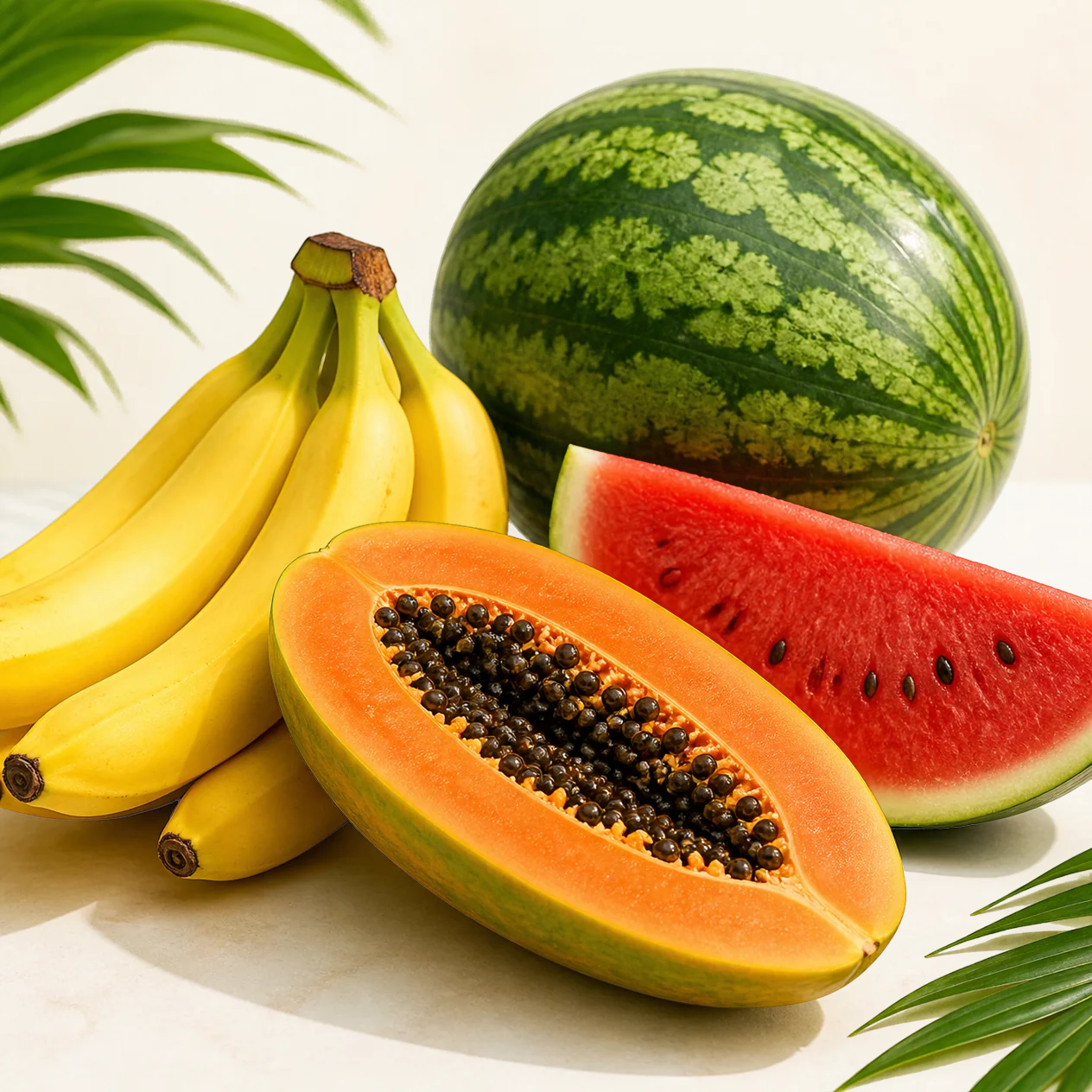
Water-rich and soft fruits are suitable during the first hour after breaking the fast. Banana provides potassium and energy, papaya supports digestion, while watermelon helps with hydration.
A small bowl of fruit should be eaten slowly and chewed properly. Citrus fruits such as oranges and lemons are best avoided immediately on an empty stomach because they may trigger acidity.
3. Thekua with jaggery and warm milk
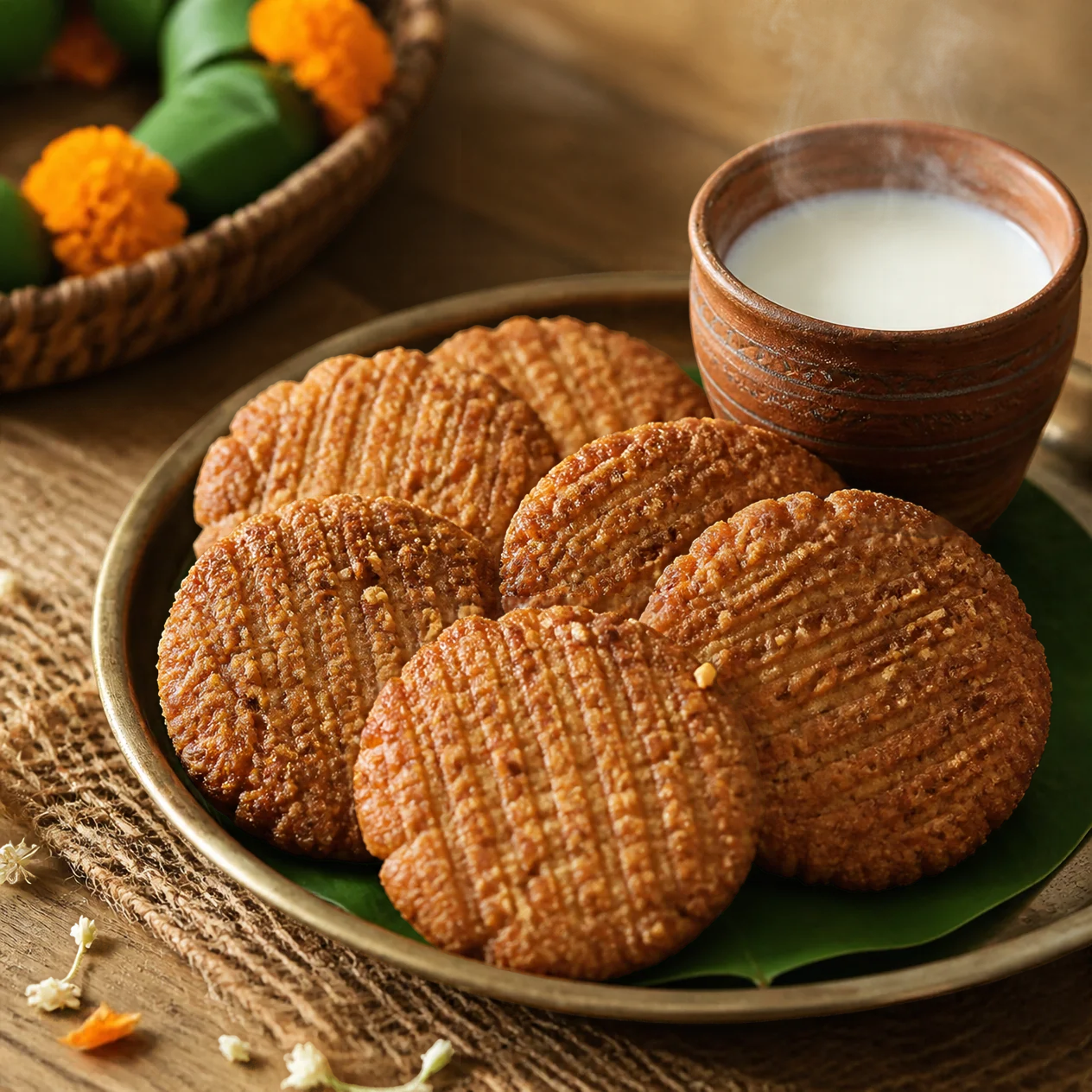
Thekua, a traditional Chhath prasad, can be included in the recovery meal in a limited quantity. A small portion with jaggery and warm milk can provide nourishment without putting excessive pressure on the digestive system.
Jaggery is described as aiding digestion and replenishing iron, while warm milk may soothe the stomach lining. It is better to begin with one or two pieces and wait for the stomach to settle rather than eating several thekuas at once.
4. Soft moong dal khichdi
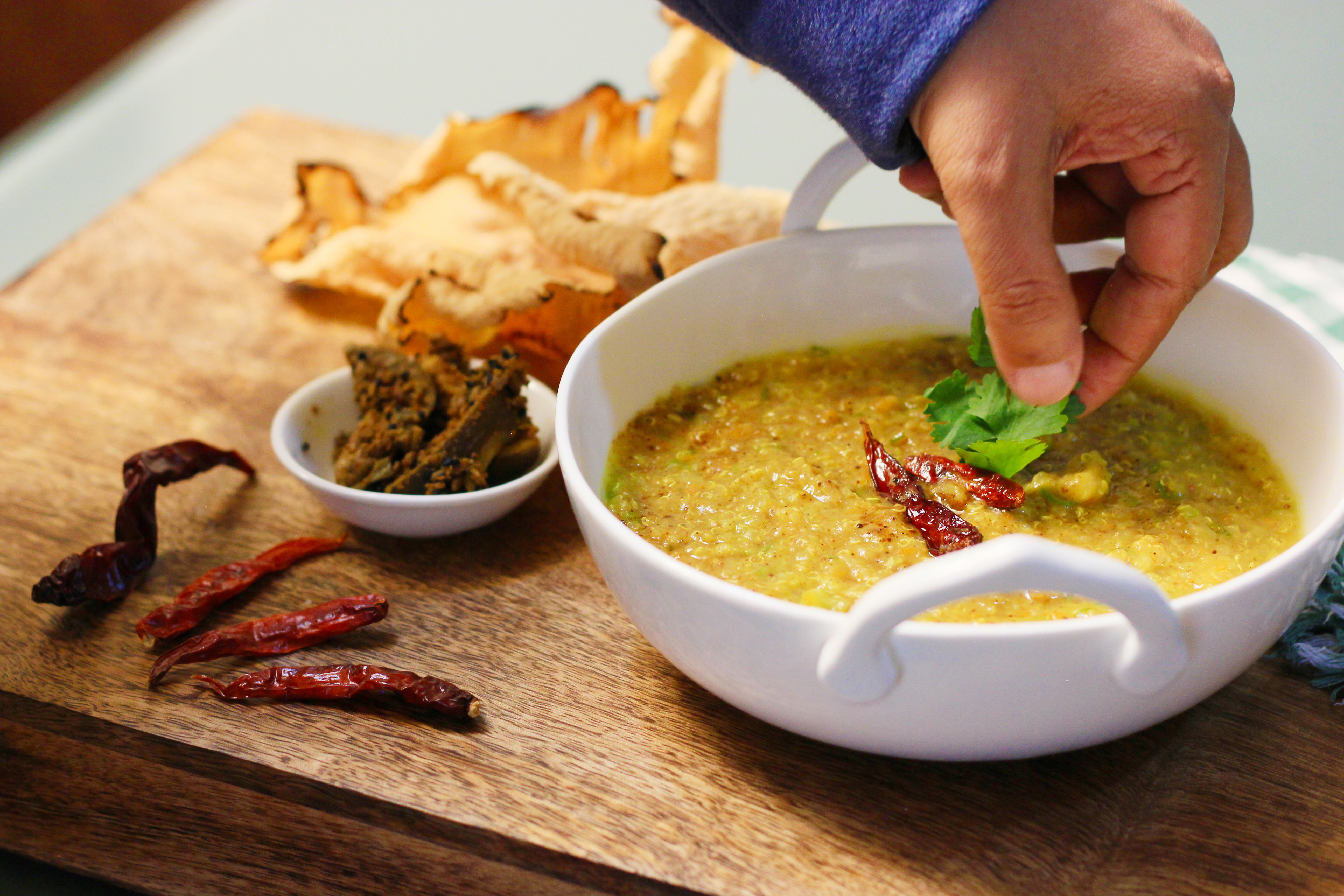
After one to two hours, a bowl of soft moong dal khichdi with a teaspoon of desi ghee can serve as the first proper meal. Khichdi is light, easy to digest and provides protein.
Ghee may help lubricate the intestines and reduce the likelihood of constipation after prolonged fasting. A pinch of jeera and haldi can be added, but the preparation should remain mild and low in spices.
5. Fresh curd or buttermilk
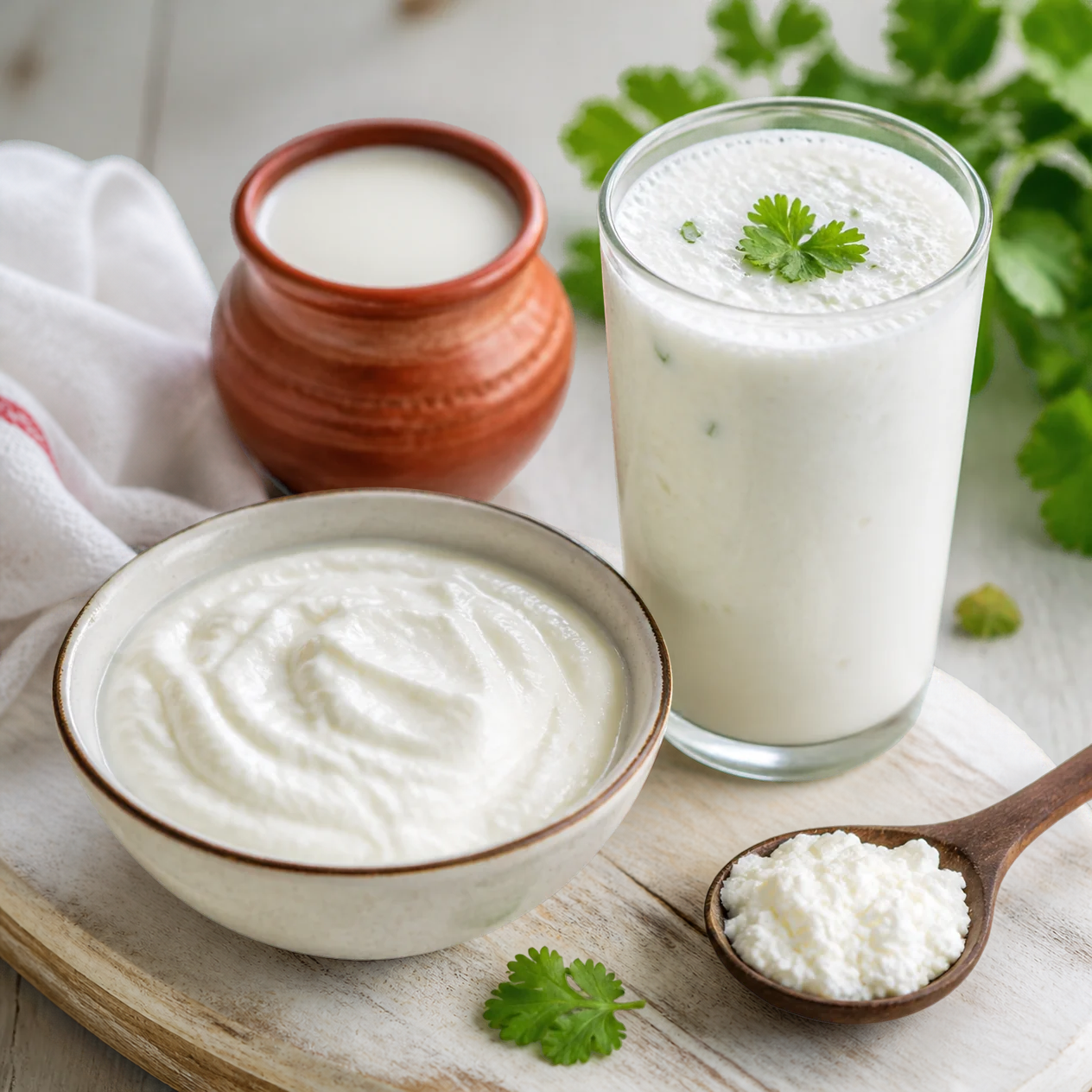
A small bowl of fresh curd or a glass of buttermilk after khichdi can support digestion by providing beneficial bacteria. Curd may help cool the stomach, reduce bloating and support bowel movement.
Those who feel heavy after eating may find buttermilk with roasted jeera lighter. Very cold curd straight from the refrigerator should be avoided.
Foods and habits to avoid after the fast
- Do not drink a large quantity of water at one time.
- Avoid fried pakoras, chole and spicy food immediately after breaking the fast.
- Do not consume tea or coffee on an empty stomach.
- Eat small portions instead of overeating.
Recovery should continue through the day with slow, regular water intake and adequate rest. Long exposure to the sun should also be avoided. Giving the stomach two to three hours to resume normal digestion can help the body adjust more comfortably after the Chhath fast.

 Follow us