Digestive complaints such as gas, constipation and diarrhoea are common. Around 15 percent of people in Western countries experience a severe form of gut sensitivity known as irritable bowel syndrome (IBS). Choosing foods that provide adequate fibre and are easier to tolerate may help support healthier digestion.
1. Whole grains
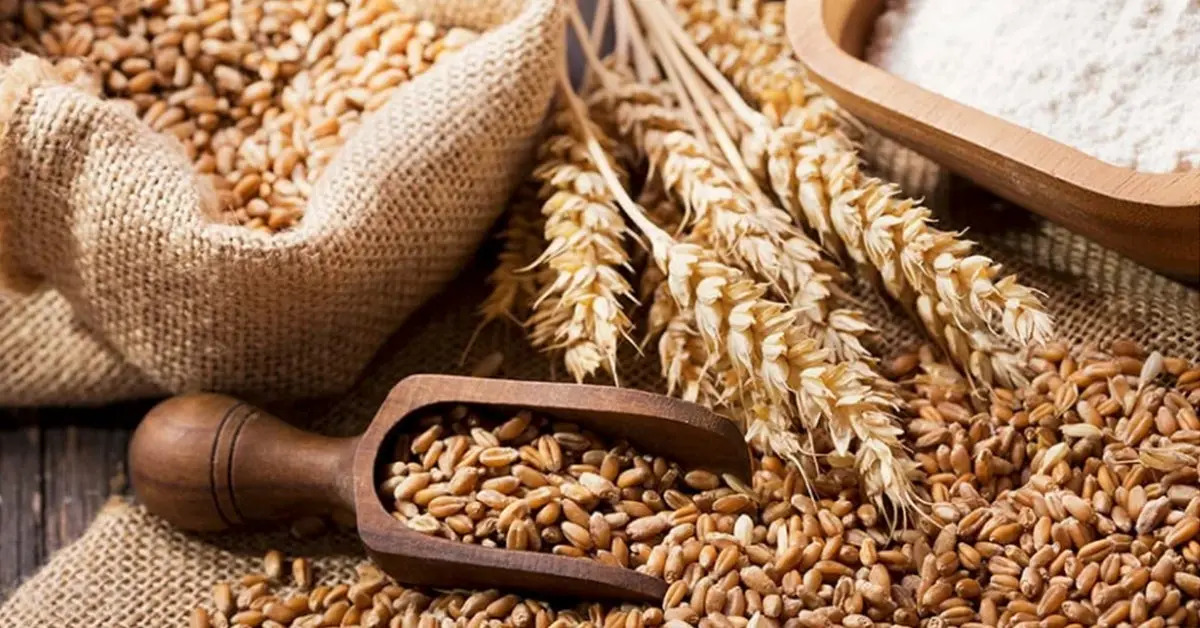
Whole grains can be a better choice for digestive health than refined carbohydrates such as white bread and pasta. Proper colon function requires at least 25 grams of fibre a day, and whole grains are an important source of it.
They also provide nutrients including omega-3 fatty acids. When gut bacteria ferment fibre, they produce short-chain fatty acids that support the normal functioning of the cells lining the colon. About 70 percent of the body’s immune cells are located in this area.
Although low-carbohydrate diets are popular for weight loss, eliminating grains entirely may reduce the fibre available to beneficial gut bacteria.
2. Leafy greens
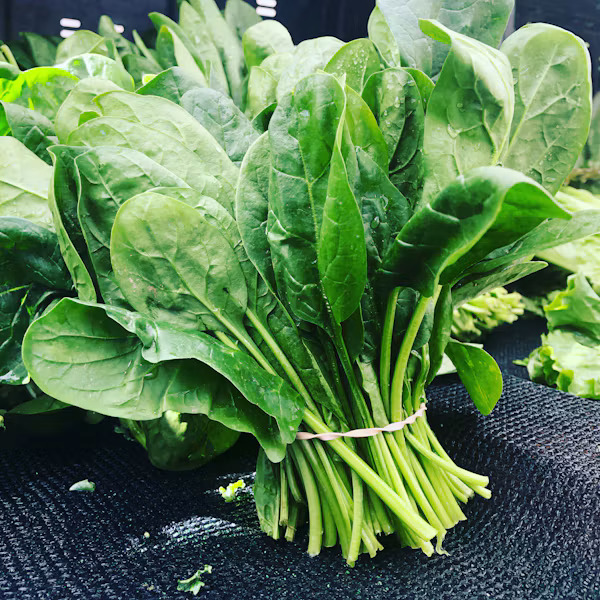
Leafy vegetables such as spinach and kale supply fibre along with folate, vitamin C, vitamin K and vitamin A. They also contain a particular type of sugar that helps nourish the growth of healthy gut bacteria.
A diet rich in fibre and leafy greens can support a balanced gut microbiome, the community of trillions of organisms living in the colon.
3. Lean protein
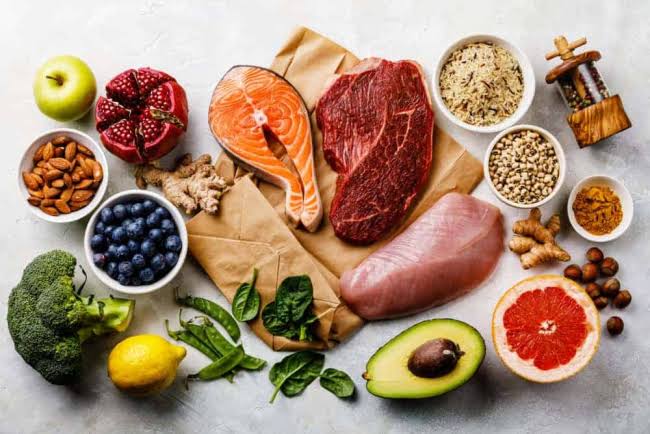
People with IBS or bowel sensitivity may benefit from choosing lean sources of protein while limiting high-fat foods, including fried items.
Foods high in fat can trigger contractions of the colon. Red meat is also high in fat and may encourage the growth of colon bacteria that produce chemicals linked with a higher risk of clogged arteries. Healthier, leaner protein options may therefore be easier on the digestive system.
4. Low-fructose fruits

People who frequently experience gas and bloating may consider reducing foods high in fructose, the natural sugar found in fruit. Apples, pears and mangoes contain relatively high levels of fructose.
Berries and citrus fruits such as oranges and grapefruit contain less fructose and may be easier to tolerate, with a lower likelihood of causing gas. Bananas are another lower-fructose option. They are also rich in fibre and contain inulin, a substance that encourages the growth of beneficial gut bacteria.
5. Avocado
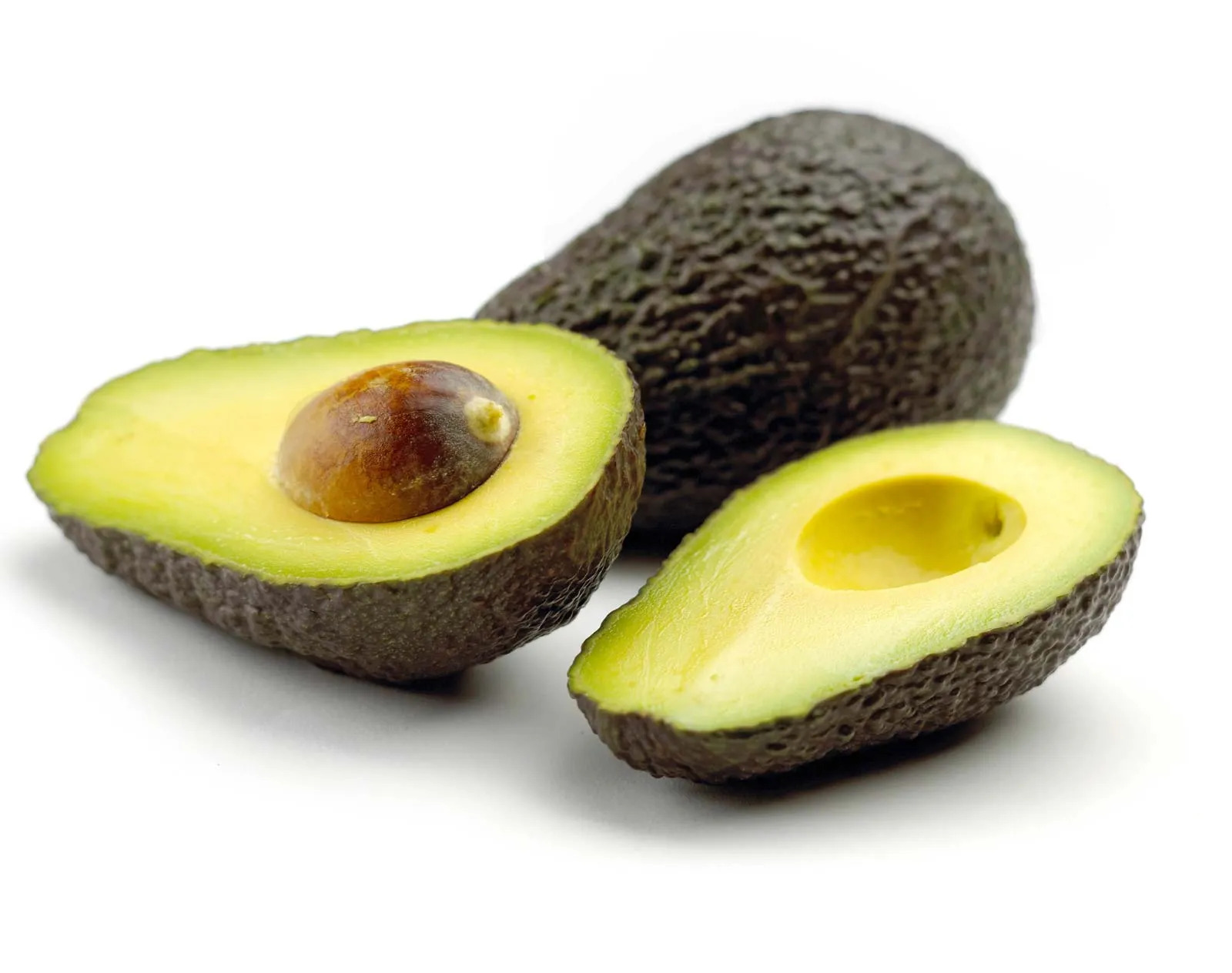
Avocado provides fibre and essential nutrients, including potassium, which supports healthy digestive function. Since it is low in fructose, it may also be less likely to cause gas.
Portion size remains important. Avocados and nuts are nutrient-rich but also contain considerable amounts of fat, so they should be eaten in moderation.
The digestive system also communicates with the brain through signals sent from within the gut. This connection is associated with digestion, mood, overall health and aspects of thinking, highlighting the close relationship between the gut and the rest of the body.

 Follow us