The World Health Organization (WHO) released its first guidelines specifically covering the diagnosis and management of type 1 diabetes in adults on November 14, 2026, marking World Diabetes Day. The recommendations are intended for healthcare providers working in a range of health systems, including low-resource settings and areas affected by emergencies or humanitarian crises.
The guidelines focus on improving access to insulin, blood glucose monitoring and continuous medical care. More than a century after insulin was discovered, access to the life-saving treatment remains uneven worldwide.
Type 1 diabetes is a lifelong autoimmune condition in which the immune system destroys insulin-producing cells in the pancreas. As a result, the body produces little or no insulin, allowing blood glucose levels to rise dangerously without regular treatment. Although it is often linked with childhood, the condition can begin at any age, including adulthood.
An estimated 9.5 million people were living with type 1 diabetes globally in 2025, while about 500,000 new cases were recorded during the year. The WHO recommendations highlight five key areas for patients and caregivers.
1. Lifelong insulin therapy remains necessary
People with type 1 diabetes require insulin throughout their lives because their bodies cannot produce enough of the hormone to control blood glucose. The WHO recommends intensified insulin therapy involving multiple daily injections, with doses adjusted to blood glucose readings and individual requirements.
Human insulin is recognised as an effective treatment option. Other formulations, including insulin analogues, may be used when clinically necessary or when human insulin is not available. The central priority is ensuring a reliable, suitable and affordable supply of insulin rather than relying on one specific product.
2. Regular glucose checks are an important part of care
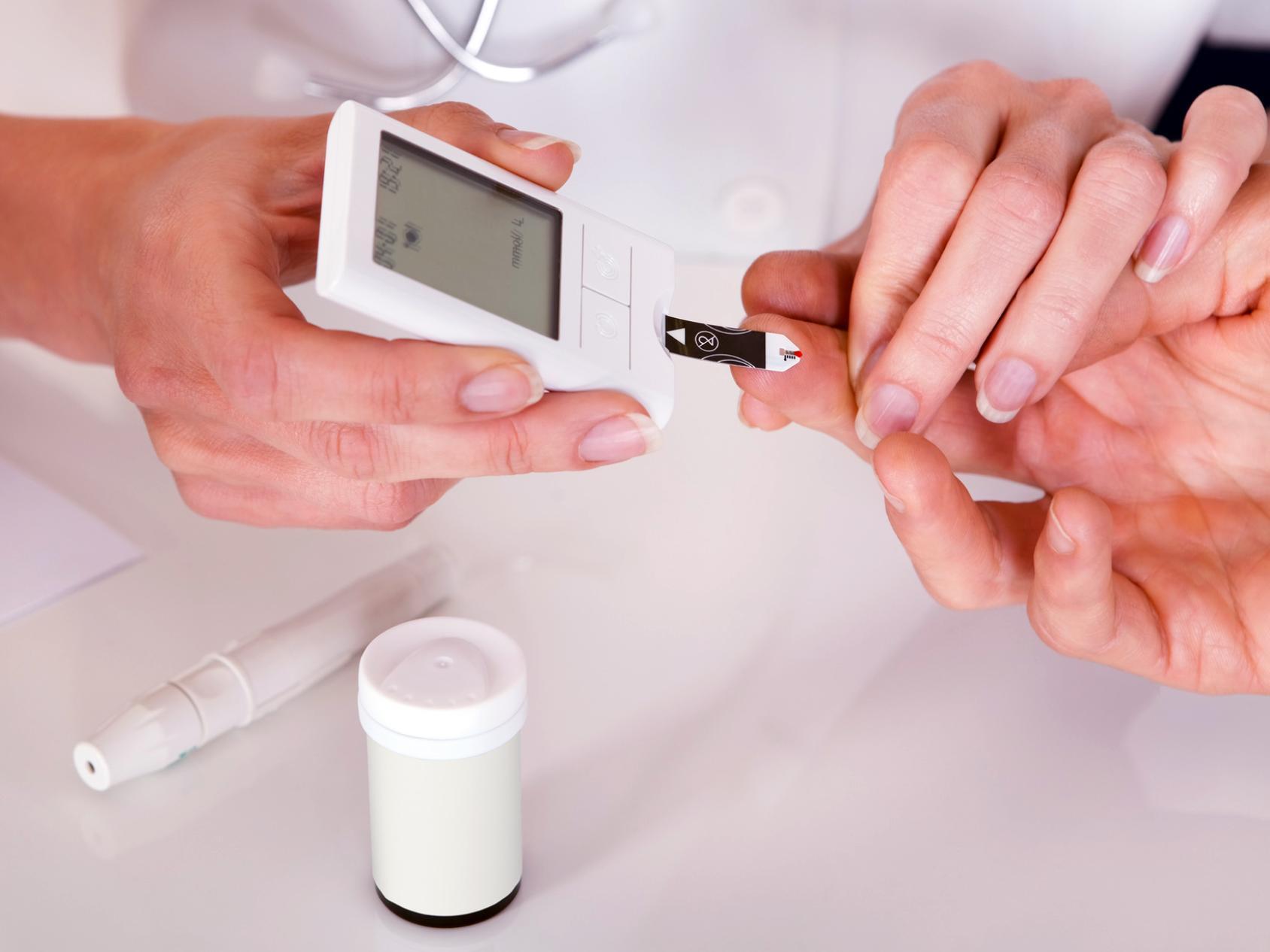
Insulin treatment must be supported by regular blood glucose monitoring. Tracking glucose levels enables patients and healthcare professionals to assess changes and make better-informed decisions about insulin doses, food intake and day-to-day diabetes management.
The guidelines recognise several monitoring approaches based on a patient’s circumstances and the resources available:
- HbA1c testing: This blood test estimates average glucose levels over the previous two to three months.
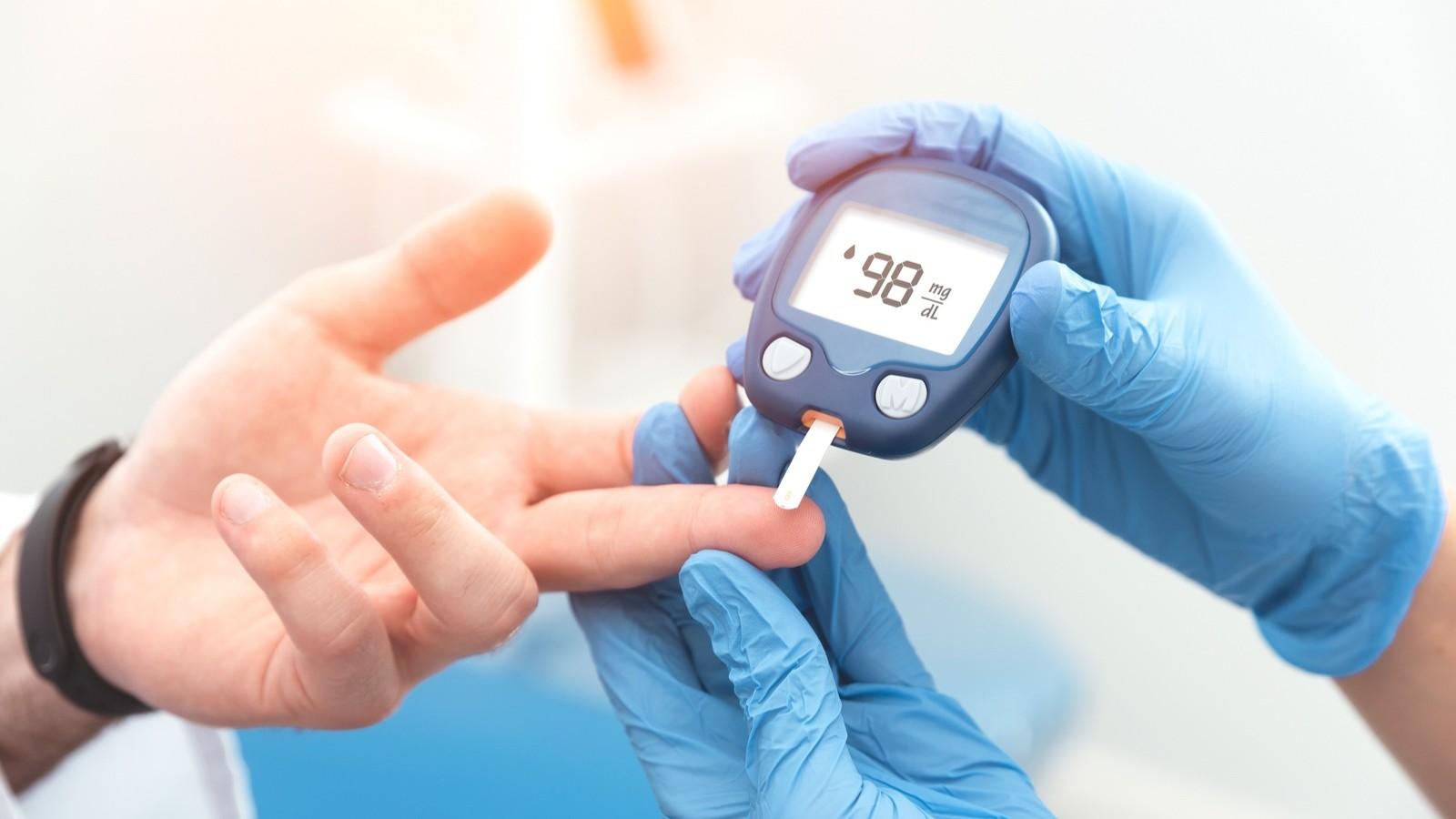
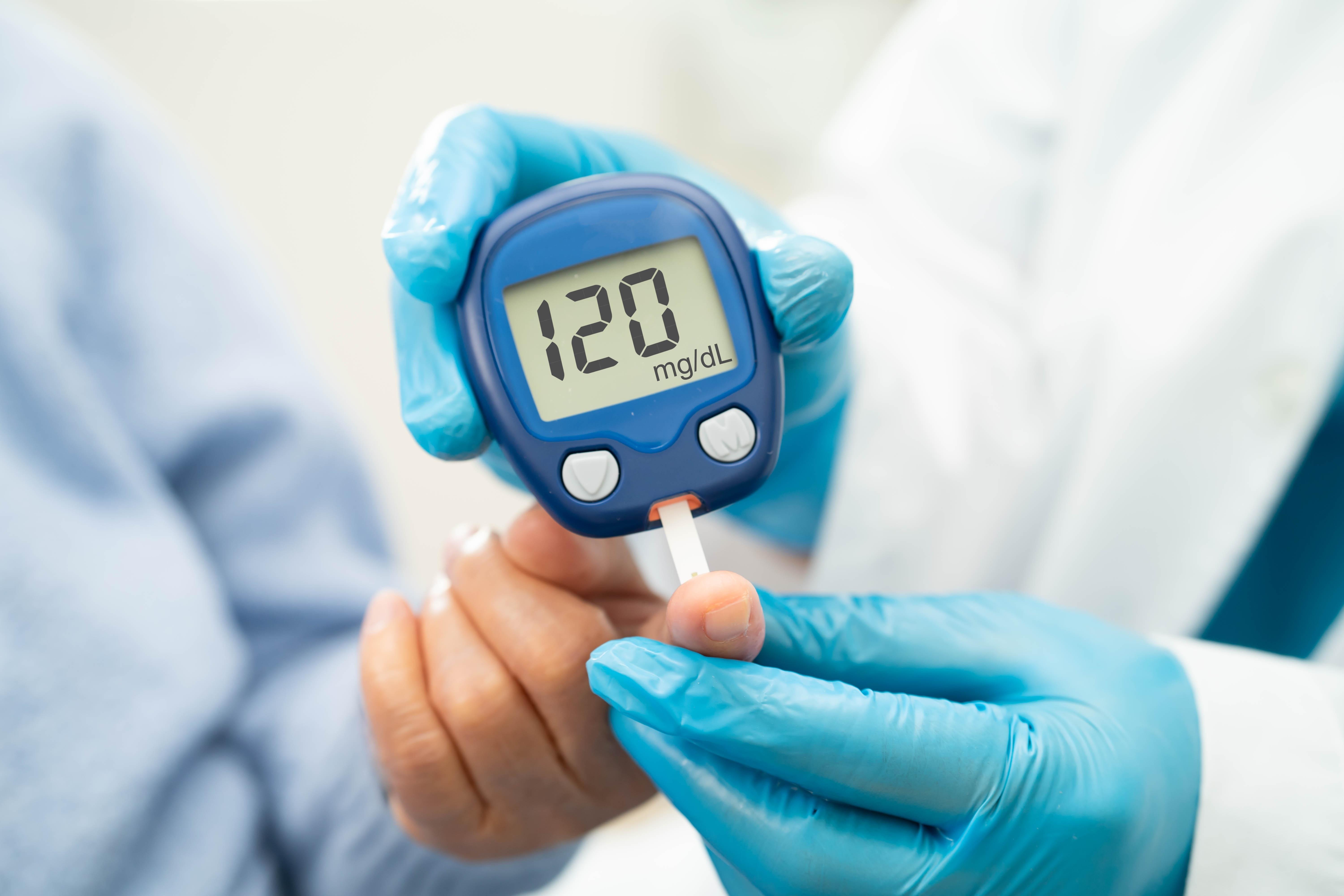
- Finger-prick testing: A glucose meter measures blood sugar using a small blood sample and can be used at home.
- Continuous glucose monitoring: A wearable sensor records glucose levels through the day and can help detect fluctuations.
- Urine glucose testing: This may be considered where blood glucose testing is unavailable, although it offers less information than blood glucose monitoring.
3. Treatment should reflect individual circumstances
The same treatment plan may not be suitable for every person with type 1 diabetes. Insulin needs, glucose trends, access to medicines and a patient’s general health can all affect clinical decisions.
The WHO recommendations therefore call for insulin delivery and monitoring methods to be adapted to individual needs and to the resources available in the relevant healthcare system. This is especially significant for people who lack regular access to diabetes specialists, advanced monitoring equipment or newer insulin formulations.
4. Affordable supplies and uninterrupted care are priorities
Despite insulin being available for more than 100 years, many people continue to face difficulties obtaining affordable, quality-assured supplies. The new guidelines provide recommendations that can be applied across different healthcare settings to help address this longstanding access problem.
They also stress the need to maintain treatment during emergencies and humanitarian crises, when access to medicines, medical supplies and routine consultations may be disrupted. For people with type 1 diabetes, even a break in insulin treatment can quickly become dangerous.
5. Implications for type 1 diabetes care in India
For India, the recommendations draw attention to the affordability of insulin and access to regular blood glucose monitoring. Although insulin remains the foundation of treatment, newer tools such as continuous glucose monitors and insulin pumps are not equally accessible to all patients.
The guidelines provide a framework that can support improvements across healthcare systems, including those operating with limited resources. Their effect will depend on implementation through dependable insulin supplies, affordable monitoring choices, trained healthcare professionals and regular follow-up care.
Patients and caregivers should remember that type 1 diabetes requires lifelong insulin treatment and consistent medical supervision. The WHO guidelines seek to make this care more accessible, appropriate and dependable, regardless of where a person lives.

 Follow us