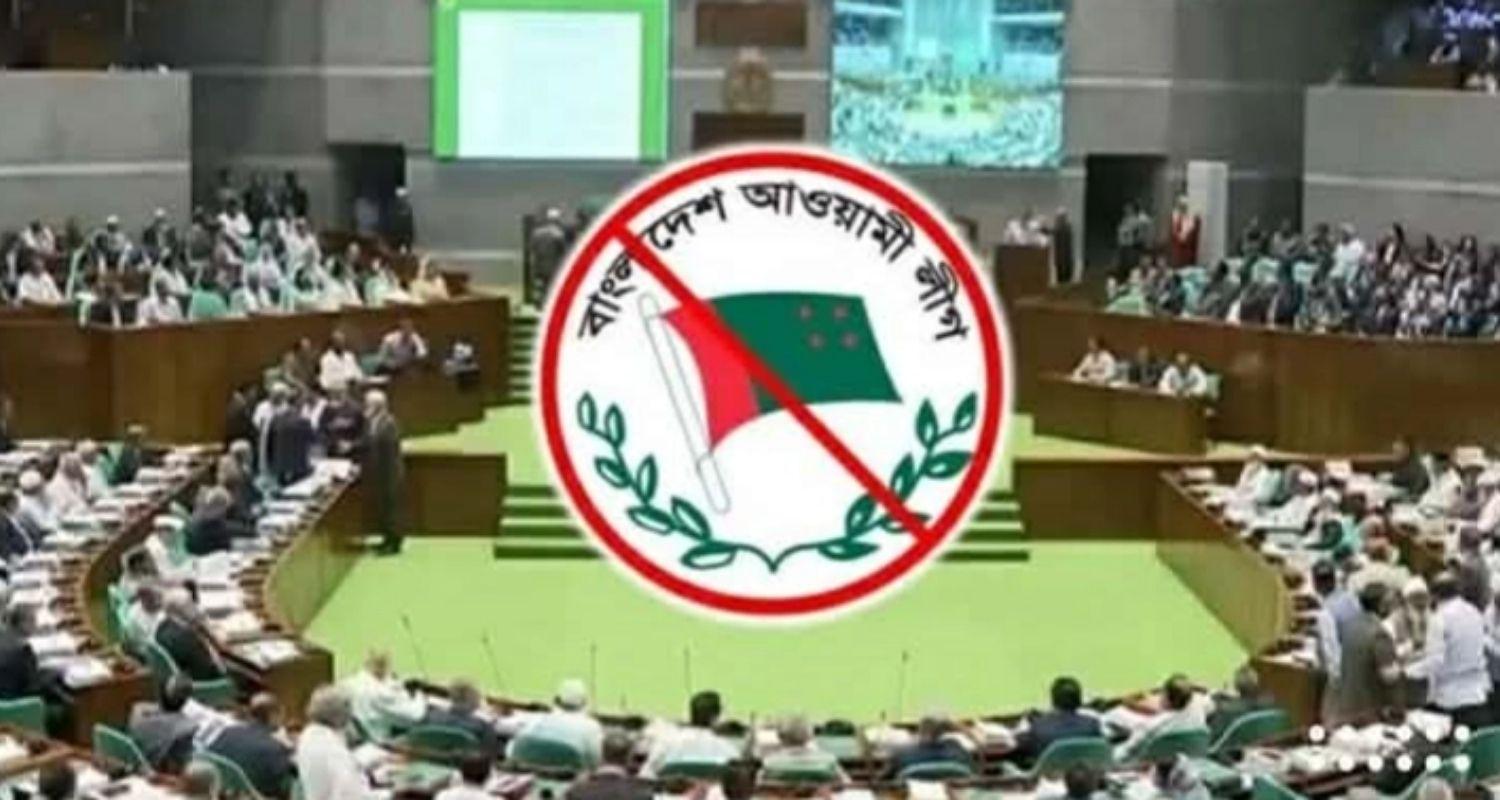
The Parliament of Bangladesh on Wednesday approved the Anti-Terrorism (Amendment) Bill, introducing provisions to ban the activities of individuals or organisations involved in terrorism. The legislation formalises an ordinance that had been issued earlier during the tenure of the interim government.
The bill was passed in the afternoon session without any changes to the original ordinance. Through this measure, amendments were made to the existing Anti-Terrorism Act, under which the interim administration had already decided to prohibit all activities of the Bangladesh Awami League and its leaders until the completion of their trial at the International Crimes Tribunal.
Previously, the Anti-Terrorism Act did not include provisions for an outright ban on the activities of any organisation. It only allowed the government to issue a gazette notification to list individuals or declare entities banned if they were found involved in terrorist activities. The amendment now expands this authority, enabling the government to prohibit all activities of such entities. The bill passed on Wednesday officially enacts these changes into law.
Also read: Pak operation in Balochistan: 6 militants killed
Salahuddin Ahmed presented the bill in Parliament. During the session, Opposition Leader Shafikur Rahman objected, stating that members had received the comparative document only minutes earlier and had not been given adequate time for review. He described the legislation as sensitive and requested a delay in its passage.
Responding to the concerns, Speaker Hafiz Uddin Ahmed said objections must be raised within a designated timeframe and since that window had passed, no further objections could be considered at that stage of the legislative process.
Shafikur Rahman reiterated that the document had been circulated too late for meaningful scrutiny. The Speaker maintained that while the issue could be revisited later, objections could not be entertained during the ongoing proceedings.
Following the exchange, Salahuddin Ahmed moved the bill for passage, describing it as an effort to ban what he termed a ‘genocidal terrorist organisation’ and to strengthen the Anti-Terrorism Act. He added that public movements involving the Opposition Leader and members of the NCP had influenced the decision to prohibit the organisation’s activities, noting that its registration with the Election Commission had already been suspended.
He also mentioned that further amendments had been made to the ICT Act under Article 47 to facilitate the organisation’s trial. The bill was ultimately passed by a voice vote. Under the new law, if any individual or organisation is found involved in terrorist activities, the government can issue a gazette notification to declare it banned, include it in the official schedule or prohibit all its activities.
The legislation also bars publishing press statements on behalf of such entities, as well as any form of promotion through media, online platforms or social networks. Additionally, organising rallies, meetings, processions, press conferences, or public speeches in support of such groups is now prohibited.

 Follow us